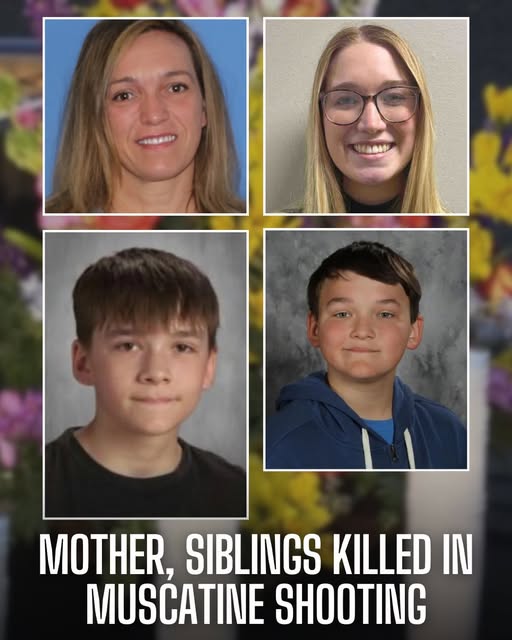
MUSCATINE, Iowa (KWQC) – Six people were killed Monday during a shooting in Muscatine before the gunman fatally shot himself.
The six were identified as Lesa McFarland, Dakota Whitlow, Austin Harris, Ryle McFarland, Mark McFarland and Ryan McFarland Jr.
Lesa McFarland, 51
- Lesa is survived by son Jonathan McFarland who said at a vigil Tuesday night, “I will forever love and miss my mom, Lesa, my sister, Ryle, my four brothers, Dakota, Austin, Mark, and Ryan.”
- Lesa worked in nutrition services at Susan Clark Junior High in Muscatine

Dakota Whitlow, 32
- Dakota is survived by his brother Jonathan and fiancée Audrey Perdue
- At the vigil Perdue reflected on the future that was taken from them by saying, “My heart is broken as I grieve the loss of my fiancé and the life that we had planned to live together,” Perdue said. “I come to the community today in hopes that we are able to rally ourselves together in memory of Ryan Jr., Mark, Ryle, Austin, Dakota, and Lesa.”
Austin Harris, 29
- Austin is survived by his brother Jonathan
- Austin was the son of Dion Harris
- Austin had three sisters, Jozlyn, Heather and Kayla
- Austin was a hardworking and dedicated team member at Musco Lighting for seven years
- Family of Austin said “he was a kind and loving soul”
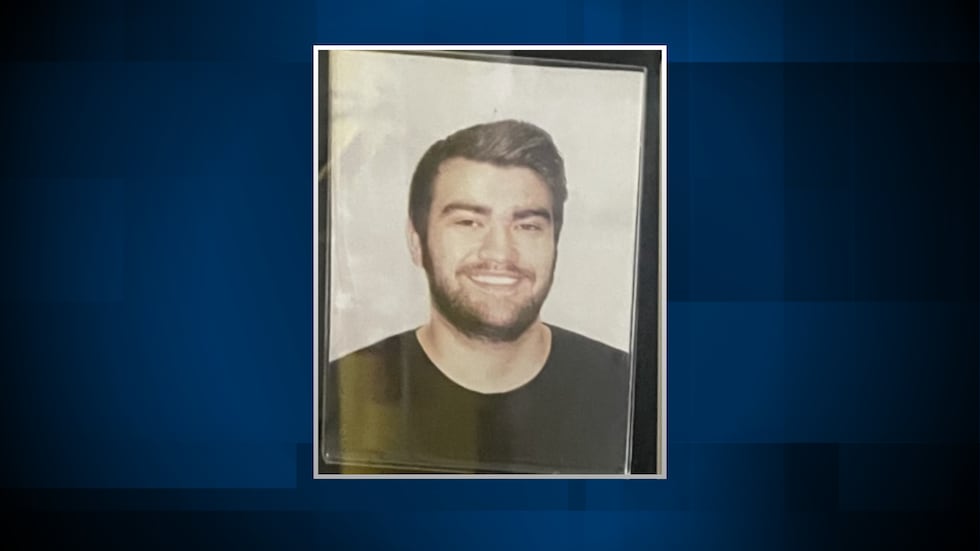
Ryle McFarland, 20
- Ryle is survived by her brother Jonathan
- The University of Northern Iowa shared Wednesday that Ryle was a student at the university
- The school said Ryle was a dean’s list student and a May 2026 graduate of UNI’s College of Education with a major in elementary education and a minor in social emotional learning
- Ryle had just completed student teaching in the Muscatine School District and the university said she was excited to begin her professional career at McKinley Elementary in Muscatine in the fall
- The university said friends, colleagues and faculty described Ryle as delightful with a very right future ahead both in life and in the classroom

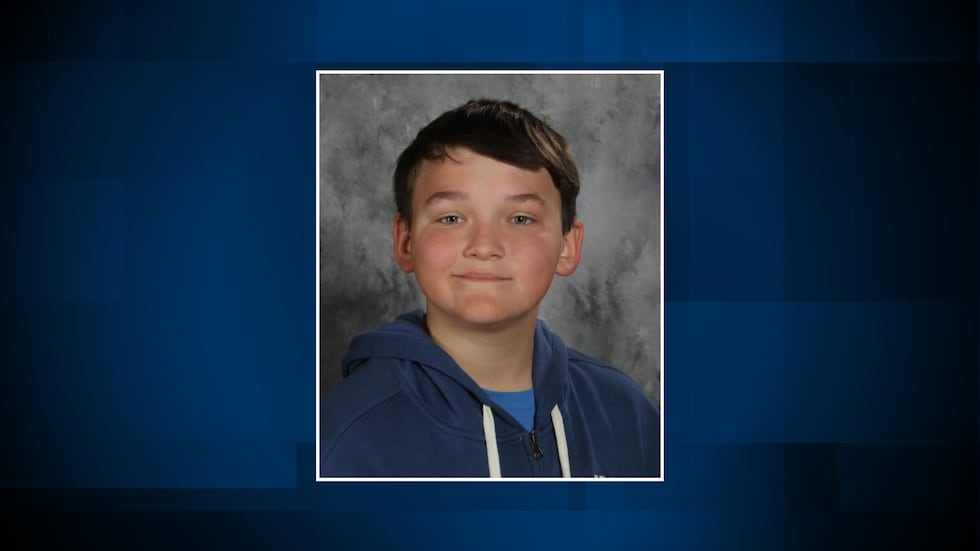
Mark McFarland, 16
- Mark is survived by his brother Jonathan
- Mark had just finished his junior year at Muscatine High School, district officials said
- Mark worked at the Pizza Ranch (FunZone Arcade) in Muscatine, according to a Facebook post.
- He is described as a “valued member” of the team and previously won the Pizza Ranch Hospitality Award for outstanding guest service in March, officials said.
- Officials said his presence won’t be forgotten and extended condolences to family members and friends.
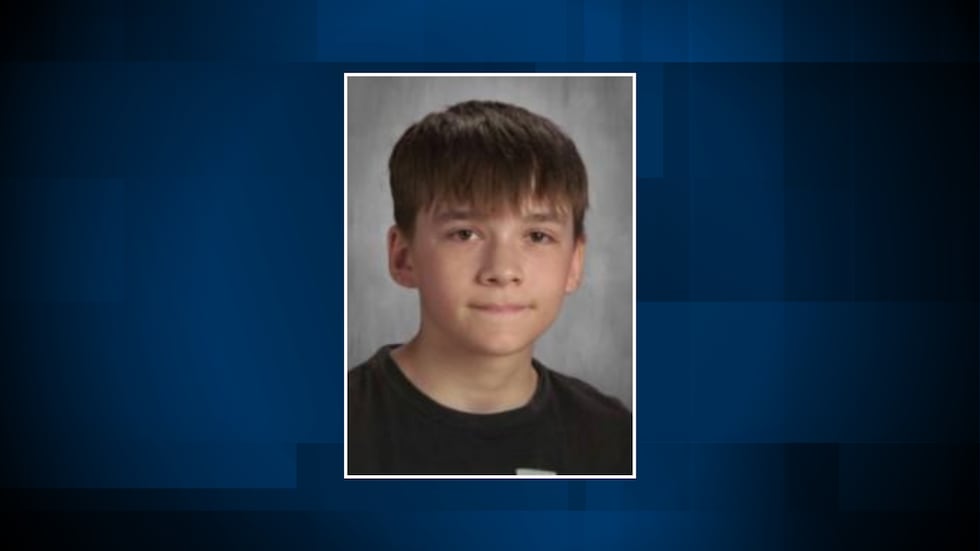
Ryan McFarland Jr., 13
- Ryan is survived by his brother Jonathan
- According to district officials, Ryan Jr. had just completed Seventh Grade at Susan Clark Junior High
The tragic events that unfolded in Muscatine, Iowa, in early June 2026 have left a deep and lasting impact on the local community and have once again brought national attention to the devastating consequences of domestic violence and mass shootings. Reports confirmed that six individuals lost their lives in what authorities described as a domestic-related shooting, a case that has shaken not only the immediate families involved but also the broader public who continue to grapple with the frequency and severity of such incidents. While the details surrounding the event are still being carefully examined by investigators, the scale of the tragedy and its deeply personal nature have sparked widespread conversations about safety, mental health, and the underlying factors that can lead to such devastating outcomes.
In situations like this, the human impact is impossible to ignore. Each victim represents a life, a story, and a network of relationships that are forever changed. Families are left to process grief that comes not only from loss but from the sudden and violent nature of the event. Communities, especially smaller ones like Muscatine, often feel these tragedies in a particularly intense way because of the close connections between residents. Neighbors, friends, coworkers, and local organizations all become part of the collective experience of mourning, as the effects ripple far beyond the immediate scene.
Authorities have indicated that the incident appears to be connected to a domestic dispute, a factor that adds another layer of complexity to the case. Domestic-related violence often involves individuals who know each other closely, which can make the dynamics more complicated than random acts of violence. These situations may develop over time, influenced by personal conflicts, emotional stress, or unresolved issues that escalate in ways that are difficult to predict. Understanding these dynamics is essential for both investigators and the public, as it highlights the importance of early intervention, communication, and support systems that can help prevent conflicts from reaching such a tragic point.
The role of law enforcement in responding to such incidents is critical, yet it is also incredibly challenging. Officers are often required to act quickly in high-pressure situations, making decisions that can have immediate and far-reaching consequences. In this case, reports suggest that the suspect took his own life when confronted by police, bringing an end to the immediate threat but leaving many questions unanswered. This outcome is not uncommon in cases of domestic-related mass violence, where the individual responsible may not survive to face legal proceedings. As a result, the process of understanding what happened often relies on piecing together evidence, witness accounts, and prior history.
Community response in the aftermath of such tragedies often reflects both grief and resilience. Vigils, memorials, and gatherings provide spaces for people to come together, share their emotions, and support one another. These events are not only about honoring those who were lost but also about reaffirming the strength of the community in the face of adversity. In Muscatine, residents have reportedly come together to remember the victims, demonstrating the importance of unity during times of crisis.
The broader national conversation surrounding incidents like this often centers on prevention and awareness. Questions arise about what could have been done differently, whether there were warning signs, and how similar situations might be avoided in the future. While there are no simple answers, these discussions are essential for developing strategies that address the root causes of violence. This includes improving access to mental health resources, strengthening community support networks, and promoting education about conflict resolution and emotional well-being.
Media coverage also plays a significant role in shaping public understanding of such events. Responsible reporting focuses on verified information, avoids speculation, and respects the privacy of those affected. At the same time, it provides a platform for important conversations about safety and prevention. The challenge lies in balancing the need for information with the responsibility to avoid sensationalizing tragedy. By maintaining this balance, media outlets can contribute to a more informed and thoughtful public response.
Another important aspect of this discussion is the recognition of patterns that may exist across similar cases. Domestic-related mass violence, while not the most common type of incident, often shares certain characteristics that can inform prevention efforts. These may include escalating conflicts, signs of emotional distress, or previous incidents that indicate a pattern of behavior. Identifying and addressing these factors early can be key to reducing the likelihood of future tragedies.
At the same time, it is important to approach these discussions with sensitivity. Each case is unique, and the individuals involved are more than the circumstances of the event. Respecting the dignity of victims and their families is essential, as is acknowledging the complexity of the situations that lead to such outcomes. This approach helps ensure that conversations remain focused on understanding and prevention rather than judgment or speculation.
As the investigation continues, authorities will work to gather as much information as possible to provide clarity about what happened. This process can take time, as it involves careful analysis of evidence and coordination between different agencies. While the waiting period can be difficult for those seeking answers, it is a necessary part of ensuring that conclusions are accurate and comprehensive.
In reflecting on this tragedy, it becomes clear that the impact extends far beyond the immediate event. It touches on broader issues that affect communities across the country, including the challenges of addressing domestic conflict, the importance of mental health support, and the need for effective communication and intervention strategies. By examining these issues in depth, it is possible to move toward solutions that not only respond to individual cases but also contribute to long-term prevention.
Ultimately, the story of the Muscatine shooting is one of loss, reflection, and the ongoing effort to understand and address the factors that lead to such devastating events. It serves as a reminder of the importance of community, the value of support systems, and the need for continued dialogue about how to create safer environments for everyone. While no amount of analysis can undo what has happened, it can help inform the steps that are taken moving forward, ensuring that the lessons learned from this tragedy contribute to a more informed and compassionate response in the future.
As more details emerge in the aftermath of the Muscatine tragedy, the emotional weight of the event continues to grow, not only for the families directly affected but also for those who find themselves trying to make sense of such a devastating situation. Events like this tend to leave behind more questions than answers, particularly when the circumstances involve deeply personal relationships and complex emotional dynamics. For many people, the immediate reaction is one of shock, followed by a search for understanding—an attempt to identify warning signs, missed opportunities for intervention, or systemic gaps that may have contributed to the outcome.
One of the most difficult aspects of incidents rooted in domestic conflict is the private nature of the circumstances leading up to them. Unlike other forms of public violence, domestic-related situations often unfold behind closed doors, away from the visibility of the broader community. This makes early detection and intervention significantly more challenging. Friends, neighbors, and even extended family members may be unaware of the severity of a situation until it escalates to a critical point. This reality highlights the importance of creating environments where individuals feel safe seeking help and where resources are accessible before conflicts reach irreversible stages.
In many communities, there has been a growing emphasis on awareness programs designed to educate people about the signs of escalating conflict and emotional distress. These programs often focus on encouraging open communication, promoting mental health support, and providing tools for de-escalation. While no single approach can prevent every incident, increasing awareness can play a role in reducing the likelihood of extreme outcomes. The Muscatine case serves as a reminder that these efforts remain essential and that continued investment in prevention strategies is necessary.
Another dimension that often emerges in the wake of such tragedies is the discussion around mental and emotional well-being. While it is important to avoid speculation about specific individuals, it is widely recognized that emotional distress, unresolved conflict, and external pressures can contribute to situations that spiral out of control. Addressing mental health proactively—through counseling, support networks, and accessible resources—can help individuals manage stress and conflict more effectively. This is not a simple solution, but it is a critical part of a broader approach to reducing violence.
The impact on first responders and law enforcement personnel is another aspect that is sometimes overlooked. Responding to incidents of this nature requires not only physical readiness but also emotional resilience. Officers are often confronted with scenes that are deeply distressing, and the experience can have lasting effects. Departments increasingly recognize the need to support their personnel through counseling and mental health services, ensuring that those who respond to crises have the resources they need to process and recover from their experiences.
At the same time, community leaders and local organizations often step in to provide support in the days and weeks following such events. This support can take many forms, from organizing memorial services to offering counseling resources for those affected. Schools, workplaces, and community centers may also play a role in helping individuals process their emotions and find a sense of stability. These collective efforts are a testament to the resilience of communities, demonstrating that even in the face of tragedy, people come together to support one another.
The long-term effects of incidents like the one in Muscatine extend beyond the immediate aftermath. Families must navigate the process of healing, which can take years and often involves a complex mix of grief, anger, and reflection. For communities, there may be a lasting sense of vulnerability, a recognition that such events can occur even in places that feel safe and familiar. Addressing these long-term effects requires sustained support, not just in the immediate aftermath but over time as individuals and communities work to rebuild.
From a broader perspective, cases like this often lead to renewed discussions about policy and prevention at regional and national levels. Policymakers may examine existing frameworks to identify areas where improvements can be made, whether through enhanced support services, better coordination between agencies, or increased funding for prevention programs. While policy changes can be slow and complex, they are an important part of addressing the systemic factors that contribute to such incidents.
The role of education in prevention cannot be overstated. Teaching individuals how to manage conflict, communicate effectively, and seek help when needed can have a significant impact over time. These skills are often developed early in life, making schools an important setting for fostering emotional intelligence and resilience. By equipping individuals with these tools, it becomes possible to address potential issues before they escalate into more serious situations.
In addition to formal education, informal networks also play a crucial role. Friends, family members, and community members are often the first to notice changes in behavior or signs of distress. Encouraging a culture where people feel comfortable checking in on one another and offering support can make a difference in preventing escalation. While it is not always possible to intervene directly, creating an environment of awareness and care can help individuals feel less isolated and more supported.
As the conversation continues, it is also important to recognize the role of responsible reporting and information sharing. Ensuring that accurate information is communicated helps prevent the spread of rumors and misinformation, which can complicate an already difficult situation. It also allows for a more informed public response, where discussions are grounded in facts rather than speculation.
The Muscatine tragedy, like many others, ultimately serves as a point of reflection. It challenges individuals and communities to consider how they approach conflict, how they support one another, and how systems can be improved to prevent similar outcomes in the future. While there are no easy answers, the process of reflection itself is valuable, providing an opportunity to learn and grow.
At its core, this situation underscores the importance of empathy and understanding. Recognizing the humanity of those involved, respecting the experiences of those affected, and approaching the discussion with sensitivity are all essential components of a constructive response. By focusing on these principles, it becomes possible to move beyond the immediate shock and toward a more thoughtful and informed conversation about prevention and support.
As time passes, the immediate intensity of the event may fade, but its impact will remain. The lessons learned, the conversations sparked, and the efforts to improve systems and support networks all contribute to a broader understanding of how to address such challenges. In this way, even the most difficult situations can serve as catalysts for change, prompting individuals and communities to take steps toward a safer and more supportive future.
Ultimately, the hope is that through continued dialogue, education, and collaboration, it will be possible to reduce the likelihood of similar tragedies. While it may not be possible to prevent every incident, each step taken toward understanding and prevention brings society closer to that goal. The Muscatine case, while deeply tragic, also serves as a reminder of the importance of these efforts and the role that everyone can play in supporting a safer and more compassionate community.