President Donald Trump announced that he was entering the White House Situation Room to make what he called a “final determination” on a proposed agreement with Iran, placing one of the most consequential foreign-policy decisions of his presidency directly before his national security team. The announcement, made on May 29, 2026, immediately attracted international attention because the proposal was not limited to a traditional nuclear agreement. It was connected to a fragile ceasefire, the reopening of the Strait of Hormuz, sanctions, maritime security and the future direction of a conflict that had already placed enormous pressure on the Middle East and the global economy.
Trump’s words suggested that weeks of negotiations had reached a decisive stage. American and Iranian representatives had reportedly developed a memorandum of understanding that could extend an existing ceasefire for another sixty days. That temporary period was intended to give both sides time to negotiate a more permanent settlement while preventing an immediate return to widespread hostilities. Yet the announcement did not mean that a final agreement had already been reached. Iran had not formally approved all the proposed terms, and several important disagreements remained unresolved.
The distinction between a preliminary understanding and a binding final deal was essential. A memorandum of understanding can establish principles, expectations and a framework for continued negotiations, but it does not necessarily resolve every disagreement. In this case, Washington and Tehran appeared to agree that extending the ceasefire was preferable to an immediate return to war. However, the two governments continued to describe key elements of the proposal differently, particularly those involving Iran’s nuclear programme, sanctions relief and control of maritime traffic through the Strait of Hormuz.
Trump publicly listed several conditions that he believed any acceptable agreement would have to satisfy. He said Iran could never possess a nuclear weapon and demanded the immediate reopening of the Strait of Hormuz to unrestricted shipping in both directions. He also called for the removal or destruction of remaining sea mines and indicated that the American naval blockade of Iran could be lifted as part of the arrangement. Another major issue involved Iran’s stockpile of highly enriched uranium, which Trump said would need to be removed and destroyed in co-operation with Iran and the International Atomic Energy Agency.
These demands combined immediate military concerns with longer-term nuclear questions. Reopening the strait could provide rapid economic relief and reduce the danger facing commercial vessels. Addressing enriched uranium, however, would require detailed technical negotiations, reliable inspections and agreement over what would happen to nuclear material already produced by Iran. Tehran had not publicly accepted all the conditions exactly as Trump described them, creating uncertainty over whether the two sides were genuinely approaching the same agreement or merely supporting different versions of a temporary compromise.
The proposed deal also involved actions by the United States. Washington was expected to end its blockade of Iranian ports, while Iran would restore safe passage through the Strait of Hormuz. Questions surrounding sanctions were more complicated. Iran wanted meaningful economic relief, but Trump said that no money would be exchanged immediately. American officials faced the difficult task of determining which restrictions might be lifted, suspended or delayed without giving up the leverage they believed had brought Iran to the negotiating table.
Iranian officials approached the negotiations with considerable caution. A senior Iranian source told Reuters that a political understanding was close but had not yet received final approval. Iranian reporting also challenged Washington’s presentation of events, accusing Trump of seeking a manufactured political victory. These conflicting public statements demonstrated that even when negotiators agree on broad principles, leaders may still compete over how the outcome is described to their own citizens.
For Trump, entering the Situation Room created an image of a president personally confronting a decision involving war, diplomacy and the economic security of numerous countries. The Situation Room is used for highly sensitive national security discussions, allowing the president and senior officials to receive protected intelligence, communicate securely and examine military and diplomatic options. Announcing the meeting publicly also increased the sense that a major decision could be approaching within hours.
However, the meeting did not produce the immediate conclusion that the announcement seemed to promise. According to officials, the discussion lasted approximately two hours. The White House did not announce that Trump had approved or rejected the proposal when it ended. Reports indicated that several matters remained unsettled, including the possible release or unfreezing of Iranian funds. The absence of an immediate decision showed that the phrase “final determination” reflected the seriousness of the discussion rather than a guarantee that the matter would be resolved that day.
A White House official stated that Trump would accept only an agreement that was good for the United States and respected his principal conditions. The administration’s clearest publicly stated red line was that Iran must never be permitted to acquire a nuclear weapon. That position was easy to express politically, but translating it into enforceable language was much more difficult. Negotiators needed to address enrichment limits, inspections, nuclear facilities, existing uranium stockpiles and the consequences of any future violation.
The nuclear issue had been at the centre of disputes between Iran and Western governments for decades. Iran maintained that it had the right to develop nuclear technology for peaceful purposes. The United States and its allies feared that advanced enrichment capabilities could bring Iran closer to producing material suitable for a weapon, even if Tehran did not immediately decide to build one. Any lasting agreement therefore needed more than a political promise. It required technical procedures that inspectors could monitor and both governments could explain to sceptical audiences.
Trump’s proposal appeared to place the most difficult nuclear negotiations inside the proposed sixty-day extension. This approach allowed the parties to pursue an immediate ceasefire without pretending that every nuclear disagreement had already been solved. Supporters of the strategy believed that stopping the fighting and reopening trade routes would create a more favourable environment for negotiations. Critics worried that Iran might gain time and economic relief while delaying decisions about its nuclear programme.
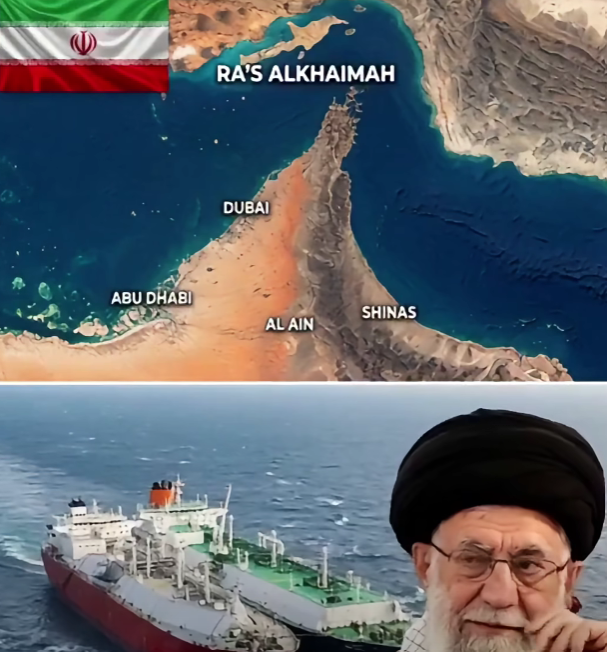
The Strait of Hormuz was equally important. The narrow waterway connects the Persian Gulf with the Gulf of Oman and the Arabian Sea. It is one of the most important energy transit routes in the world, carrying oil, petroleum products and liquefied natural gas from major Gulf producers towards international markets. Before the 2026 disruptions, approximately one-fifth of the world’s oil supply regularly passed through the strait. Even limited interference could affect shipping costs, insurance rates, fuel prices and economic forecasts far beyond the region.
The closure and disruption of shipping placed pressure not only on Iran and the United States but also on countries that depended on Gulf energy exports. Producers faced difficulty moving oil to customers, while importing countries worried about shortages and rapidly increasing prices. Shipping companies had to consider whether vessels and crews could travel safely through an area where mines, military forces and the possibility of further attacks remained serious concerns.
Some Gulf producers could redirect a portion of their oil through pipelines that avoided the strait, but those alternative routes did not have enough capacity to replace normal maritime traffic entirely. Other oil-producing countries increased exports, and governments considered using strategic reserves. These actions could soften the economic shock, but they could not fully remove the strait’s importance. A credible agreement restoring navigation therefore had the potential to improve global energy expectations almost immediately.
Oil markets respond not only to confirmed interruptions but also to the possibility of future disruption. Traders must assess whether tankers will be delayed, whether Gulf producers will reduce output and whether fighting could spread to other ports or shipping routes. As a result, statements from Trump, Iranian leaders or military officials could influence prices before any physical change occurred. A successful agreement could reduce this risk premium, while a breakdown in negotiations could quickly restore fears of severe shortages.
The economic consequences also carried domestic political importance for Trump. Higher oil prices can increase the cost of petrol, transportation, food production and numerous manufactured goods. Even when a conflict occurs thousands of miles from the United States, families may experience its effects through higher prices. Businesses can face increased shipping and energy expenses, while airlines and transport companies may pass additional fuel costs to customers.
This gave the proposed agreement two possible political meanings. Trump could present approval as proof that military and economic pressure had forced Iran to make concessions. At the same time, opponents could argue that the administration had allowed the conflict to become so dangerous that it was now accepting a temporary compromise to control the consequences. The final public reaction would depend heavily on the agreement’s details and whether it produced measurable improvements.
Israel was another major factor. Israeli leaders were deeply concerned about Iran’s nuclear capabilities, missile programme and support for armed groups across the region. Reports suggested that Israel did not believe Iran’s supreme leadership had given final approval to the proposed memorandum when Trump entered the Situation Room. Israeli officials also wanted assurances that a temporary ceasefire would not allow Tehran to rebuild military capabilities or delay nuclear restrictions indefinitely.
Any American agreement with Iran therefore needed to balance several relationships at once. Washington had to negotiate with Tehran while reassuring Israel and other regional partners that their security would not be sacrificed. It also had to address the interests of Gulf states whose economies and export routes depended on stability in the strait. An arrangement that appeared reasonable from Washington might be considered inadequate in Jerusalem, Tehran, Riyadh or other capitals.
European and Asian governments also had reasons to follow the Situation Room meeting closely. Many depended heavily on international energy markets and maritime trade. A confrontation that restricted Gulf exports could slow economic growth, worsen inflation and create political pressure for governments already facing domestic concerns. Countries with diplomatic relationships on both sides could also be asked to assist with verification, communication or future negotiations.
Trump’s decision-making style added another layer of uncertainty. He often used strong public language while keeping multiple options open. By stating his conditions publicly before the meeting, he established a set of expectations that any final deal would need to appear to meet. That strategy could strengthen American negotiators by showing Tehran that Trump might reject an agreement viewed as too weak. It could also make compromise harder if either side feared appearing to retreat from its public position.
The president’s announcement that he was entering the Situation Room may also have been intended to pressure Iran. By presenting the decision as imminent, Trump signalled that Tehran could not assume negotiations would continue indefinitely. Iran faced the possibility that rejection might lead to renewed military action, a continuing blockade or additional economic restrictions. At the same time, the United States risked being blamed if it rejected a ceasefire that could have reopened shipping and reduced regional tensions.
Iran possessed leverage of its own. Its geographical position near the Strait of Hormuz gave it the ability to influence a route essential to world energy supplies. Tehran could calculate that the economic costs of disruption would eventually encourage other governments to pressure Washington for compromise. However, maintaining that disruption also damaged Iran’s own economy, limited its exports and increased the likelihood of further military confrontation.
The result was a negotiation in which both sides could impose serious costs but neither could easily achieve all its goals. The United States had military strength, economic sanctions and international influence. Iran possessed regional capabilities, control over territory near the strait and the ability to create economic uncertainty. A temporary memorandum offered both governments a way to step back without immediately admitting defeat.
Supporters of the proposed agreement argued that this was precisely what diplomacy was designed to accomplish. A ceasefire did not need to settle every issue at once. Its first purpose was to stop the situation from worsening. Sixty additional days could create opportunities for technical discussions, prisoner arrangements, sanctions negotiations and the establishment of inspection or maritime-security procedures.
They also argued that reopening the strait would produce clear benefits for civilians and the global economy. Commercial crews would face less danger, energy supplies could begin returning to normal, and countries not directly involved in the dispute would experience less economic pressure. Even an imperfect agreement could be valuable if it prevented a broader conflict.
Critics responded that a temporary arrangement could merely postpone the crisis. If the memorandum used unclear language, each government might claim that the other had violated it. Disputes over inspections, enrichment or sanctions could then produce another cycle of threats and attacks. Critics also questioned whether Iran would accept restrictions strong enough to satisfy Trump’s nuclear demands and whether Washington would provide sanctions relief significant enough to satisfy Tehran.
Members of Congress wanted more information about the proposed terms and the administration’s broader strategy. Questions remained about enforcement, the handling of Iranian assets, military authority and what would happen if the ceasefire collapsed. Lawmakers also debated the president’s power to continue military action without new congressional authorisation. These constitutional questions became increasingly important as the conflict continued.
Transparency presented a genuine challenge. Negotiations often require confidentiality because leaders need room to explore compromises without every draft proposal becoming a political controversy. However, agreements involving sanctions, military operations and nuclear restrictions also require public and congressional confidence. If too many important details remained secret, critics could accuse the administration of making promises that had not been properly examined.
The May 29 Situation Room meeting ended with the central question still unanswered. Trump had not publicly approved the memorandum, and Iran had not confirmed that it accepted the American interpretation. Yet the talks continued rather than collapsing. This demonstrated that the meeting was part of a longer diplomatic process, not a single moment in which every issue could be settled.
Over the following weeks, the negotiations produced further movement. By mid-June, American officials said the United States and Iran had reached an initial framework extending the ceasefire and reopening the strait. Reports indicated that the memorandum would allow sixty days for further negotiations over the nuclear programme, sanctions and maritime security.
The linked article was published on June 16, by which time the situation had already moved beyond the original May 29 announcement. American officials said Trump and Vice President JD Vance had signed the memorandum, while the final public text and implementation details were still being discussed. The arrangement called for fighting to stop and for commercial shipping through the Strait of Hormuz to resume.
The formal development produced an immediate change in economic expectations. The US Energy Information Administration later reported that the United States and Iran signed a memorandum on June 18 and that traffic through the strait began increasing. The agency raised its forecast for global oil production and expected trade flows gradually to move closer to their pre-conflict levels. Brent crude prices averaged approximately $85 per barrel in June, significantly below their recent April peak.
These figures showed why the Situation Room decision mattered far beyond Washington and Tehran. The movement of tankers through a narrow channel could influence government budgets, household expenses and business decisions across the world. Progress towards reopening the strait encouraged expectations that producers would restore output and that global inventories would stop falling so quickly.
Yet signing a memorandum was not the same as achieving lasting peace. The document left several difficult matters to later negotiations. The wording surrounding Iran’s nuclear programme remained especially sensitive, and analysts noted that important sections of the agreement were open to different interpretations. An arrangement can survive only when both sides agree not merely on the words but also on how those words will be enforced.
The ceasefire and maritime provisions subsequently came under pressure. By July, Reuters reported that the memorandum had begun to fray as disagreements continued over the Strait of Hormuz, nuclear issues and the implementation of each side’s obligations. Although the document had described an end to the war and the reopening of the strait, uncertainty remained over key elements of the second phase.
Renewed incidents demonstrated how quickly diplomatic progress could be reversed. Even a relatively limited attack, disputed naval encounter or accusation of non-compliance could persuade leaders that the other side was acting in bad faith. Once military responses resumed, domestic political pressure made it more difficult for either government to step back.
By July 24, the conflict had again escalated substantially. Reuters reported further American strikes and Trump’s promise of additional punishment following attacks connected to Iran and the Houthis. The House of Representatives had also passed a resolution seeking to require congressional approval for continued military action, although a similar Senate effort failed. These later events showed that the agreement emerging from the May Situation Room discussions had not produced a stable or permanent resolution.
This later deterioration does not mean the original negotiations were meaningless. Temporary ceasefires can save lives, permit humanitarian activity, reopen commercial routes and create opportunities for further diplomacy. However, the breakdown illustrates the limitations of an arrangement that postpones its most difficult questions. When the nuclear programme, sanctions and regional security remain unresolved, the underlying conflict continues even during periods without open fighting.
The events also demonstrate the danger of reading an old headline as though it describes the present. The statement about Trump entering the Situation Room referred to May 29, not July 24. The linked page published the account weeks later, after the situation had already developed. Readers encountering the headline without its date might reasonably believe that Trump was entering the room that day to make a new decision.
Political and military reporting changes quickly. A proposal can be rejected, revised, signed and violated within weeks. Accurate reporting therefore requires clear dates and an explanation of what happened after the original announcement. Without that context, an article may be technically based on a real statement while still giving readers an inaccurate impression of the current situation.
The most important fact from the May 29 meeting is that Trump did not make an immediate final announcement after leaving the Situation Room. His administration continued negotiating, and an agreement emerged later in June. The most important fact from the weeks that followed is that the memorandum did not permanently settle the conflict.
Trump entered the meeting facing a choice between competing risks. Approving the proposal could be portrayed as accepting an incomplete deal with a government his administration deeply distrusted. Rejecting it could lead to further fighting, continued disruption of the Strait of Hormuz and higher economic costs. Delaying the decision allowed more discussion but also extended uncertainty.
Iran faced a similar calculation. Accepting American conditions could provide economic relief and reduce military pressure, but Tehran risked appearing to surrender important nuclear and sovereign claims. Rejecting the proposal could preserve its public position while exposing the country to further isolation, strikes and economic hardship.
The eventual memorandum represented a compromise rather than a complete victory for either side. Washington could say it had secured commitments concerning nuclear weapons and maritime passage. Tehran could say that the American blockade would end and that sanctions would remain part of future negotiations. Both governments gained time, but neither eliminated the underlying sources of conflict.
That is often the uncomfortable reality of international diplomacy. Agreements between hostile states are rarely based on trust. They are based on verification, pressure, mutual interests and the belief that the alternative would be worse. A successful settlement must survive not only the signing ceremony but also the first disagreement, the first delay and the first accusation of violation.
The Situation Room announcement captured a moment when peace and renewed conflict both appeared possible. Trump’s choice had implications for military personnel, commercial sailors, energy producers, consumers, regional governments and millions of civilians who had no control over the negotiations. The decision involved maps, intelligence reports and technical nuclear questions, but its consequences would be experienced in everyday lives.
For that reason, the story should not be reduced to the dramatic image of one president walking into a secure room. The meeting was the visible centre of a much larger process involving diplomats, military officials, inspectors, economic advisers, foreign governments and shipping companies. It represented weeks of negotiation and decades of distrust.