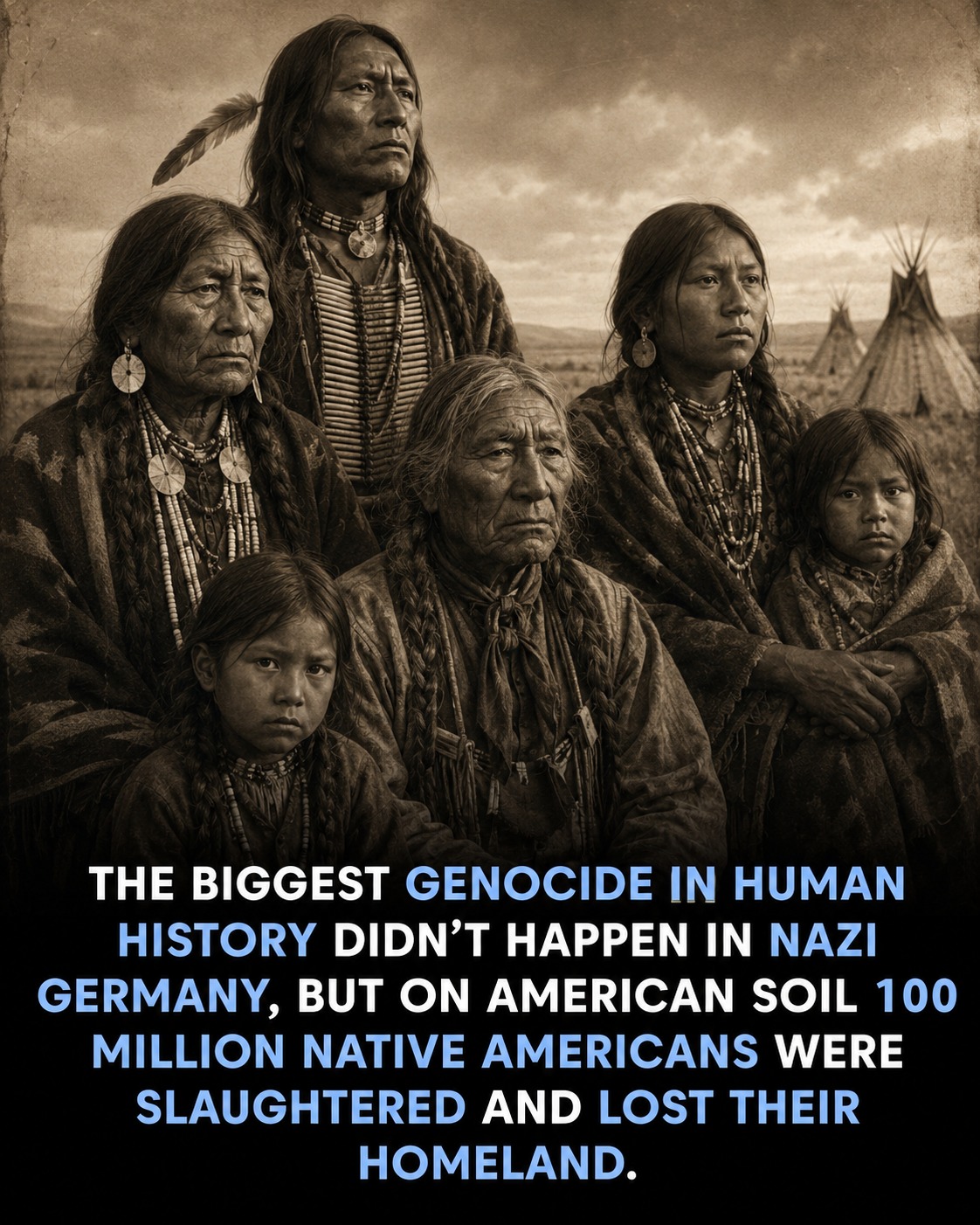
The history of Indigenous peoples in the Americas following European arrival is one of the most profound and tragic demographic and cultural upheavals recorded in human history. Across centuries, Native communities experienced catastrophic population decline, the dismantling of social and political structures, and the systematic erosion of their cultural and spiritual traditions. These transformations were driven by multiple forces, chief among them being the introduction of new diseases, violent conflict, forced displacement, and the appropriation of Indigenous lands. The consequences were not only immediate and physical but reverberated through generations, shaping the struggles and resilience of Indigenous nations that continue to this day.
Diseases introduced by Europeans had devastating effects on Native populations. Smallpox, measles, influenza, and other pathogens spread with unprecedented speed across communities, leaving death and dislocation in their wake. Because Indigenous peoples had no prior exposure or immunity to these illnesses, mortality rates were extraordinarily high. Entire villages could be wiped out within weeks, and survivors often fled their homelands, leaving behind farms, sacred sites, and cultural practices that could not be maintained. Scholars estimate that in many regions, disease alone accounted for a loss of up to 90 percent of the population, though exact numbers vary depending on location and sources. These losses were compounded by the psychological trauma of watching family members, neighbors, and entire communities succumb to illness, often in isolation due to contagion or fear.
In addition to disease, violent conflict became a defining feature of the European colonization of the Americas. Armed confrontations between Indigenous groups and European settlers or military forces resulted in numerous massacres, skirmishes, and prolonged wars. Colonizers often sought to seize territory and resources, disregarding the sovereignty and lives of Native communities. Campaigns of conquest and settlement were frequently justified under religious, economic, or political pretexts, framing Indigenous resistance as rebellion rather than defense of homelands. The cumulative effect of these conflicts was not only widespread death but the breakdown of governance structures, social cohesion, and the capacity to sustain traditional ways of life.
Historical accounts often recount the removal and forced relocation of Native populations. Policies implemented by colonial and later national governments displaced communities from ancestral lands, moving them to reservations or marginal territories where survival became precarious. These relocations, sometimes executed under coercion or threat of violence, disrupted social networks, cultural continuity, and access to vital resources. The Trail of Tears in the United States is one of the most documented examples, but similar processes occurred across the Americas, each resulting in profound suffering and long-lasting trauma. Displaced communities faced hunger, exposure, and the challenge of maintaining cultural practices under oppressive conditions.
While the magnitude of death and displacement has sometimes been exaggerated in popular discourse—claims that 100 million Native Americans were killed on American soil are not supported by most historians—the reality remains that mortality and suffering were immense. Scholars now recognize that deaths resulted from a combination of disease, violence, starvation, and displacement, not solely direct killing. Nevertheless, elements of colonization, including deliberate military campaigns, coerced removals, and repressive government policies, meet some definitions of genocide in both intent and effect. Indigenous historians and communities emphasize these realities, highlighting the need to acknowledge historical injustice alongside statistical debates.
The cultural impact of colonization extended far beyond demographic collapse. Languages were lost as communities were decimated or assimilated into European-dominated societies. Traditional knowledge, ceremonial practices, and governance systems were disrupted or erased, leaving survivors struggling to retain connections to ancestral ways of life. In many cases, children were removed from families and sent to boarding schools designed to assimilate them, often forbidding the use of native languages, suppressing spiritual practices, and enforcing Euro-American cultural norms. These policies inflicted long-term psychological and cultural harm, weakening intergenerational transmission of knowledge and undermining the foundations of community identity.
Treaty violations further compounded the harm. Even when Indigenous nations entered agreements with European or American governments, promises were frequently broken. Land was seized, resources exploited, and political autonomy undermined, often under legal or military pressure. Such actions disrupted economic systems and social organization, forcing communities to adapt to increasingly constrained circumstances. These violations contributed to cycles of poverty, marginalization, and dependency that many Native nations continue to navigate in contemporary society.
Despite these challenges, Indigenous peoples demonstrated remarkable resilience. Communities preserved cultural practices in private and adapted traditions to survive under oppressive conditions. Storytelling, ritual, and oral history became vital mechanisms for maintaining identity and memory, allowing knowledge and values to persist even in exile or displacement. In modern times, efforts at cultural revitalization have flourished, with language programs, ceremonial observances, and artistic expression serving as vehicles for reclaiming and sustaining heritage. Legal advocacy has also become central, as nations seek recognition of land rights, sovereignty, and treaty obligations. These efforts represent continuity and resilience, linking past trauma to contemporary assertion of rights and identity.
The human stories behind these historical processes are deeply moving. Families watched loved ones perish from disease; children were taken from parents; elders saw their knowledge and authority undermined. Survivors endured physical hardship, cultural suppression, and psychological trauma, yet they adapted and resisted. Today, Native nations honor these experiences through commemoration, education, and activism. Museums, archives, and cultural centers preserve artifacts and records, while community ceremonies reaffirm connection to land and ancestors. These acts of remembrance serve both to heal collective memory and to educate wider society about the realities of colonization and its lasting impact.
Contemporary Indigenous efforts also focus on rebuilding governance, education, and cultural transmission. Tribes have established schools that teach native languages alongside conventional curricula, revitalized traditional governance structures, and developed programs that combine economic sustainability with cultural preservation. Legal strategies aim to reclaim or protect land, access resources, and enforce rights enshrined in treaties and national laws. These initiatives demonstrate the ongoing vitality and adaptability of Indigenous communities, highlighting a capacity for renewal despite centuries of disruption.
Importantly, Indigenous resilience is interwoven with advocacy for recognition and justice. Historians, activists, and community leaders emphasize the importance of confronting historical narratives that have minimized or misrepresented the consequences of colonization. By framing colonization as both a historical and ongoing process, these perspectives underscore the need for accountability, education, and cultural awareness. Recognizing past harms is seen not as an act of blame but as a necessary step toward reconciliation, healing, and the protection of Indigenous futures.
The contemporary revival of Indigenous culture is not only a reclamation of heritage but also a statement of identity and continuity. Communities maintain ceremonies, songs, and dances passed down for generations; elders teach traditional skills; and new generations are encouraged to embrace their ancestry while navigating modern life. Legal recognition of tribal sovereignty and land rights has strengthened the ability of Indigenous nations to self-govern and preserve cultural practices, while educational programs help foster understanding and respect among non-Indigenous populations.
The history of Indigenous peoples after European arrival is thus a story of profound tragedy, but also one of resilience, adaptation, and renewal. Populations were decimated, languages and customs disrupted, and lands stolen, yet the determination to preserve identity and culture endured. Native nations today continue to honor their histories, reclaim lost traditions, and advocate for justice. They embody a dynamic continuity, demonstrating that despite centuries of oppression, the spirit, knowledge, and cultural vitality of Indigenous peoples remain vibrant and enduring. Their stories are lessons in survival, adaptation, and the capacity for human resilience in the face of seemingly insurmountable challenges.
The history of Indigenous peoples in the Americas after European arrival is not only a story of loss and devastation but also a testament to resilience, cultural survival, and adaptation. Across continents, from the Arctic to the Amazon, the consequences of contact reshaped societies, economies, and governance structures. The arrival of Europeans introduced diseases, altered trade networks, imposed foreign governance, and created pressures that fundamentally transformed Indigenous life. These transformations were often violent, abrupt, and destabilizing, yet communities persisted and adapted, demonstrating remarkable endurance in the face of overwhelming adversity.
Disease was arguably the most immediate and catastrophic factor. Smallpox, measles, influenza, and other European illnesses spread rapidly across populations that had no prior exposure or immunity. Epidemics often preceded or accompanied the arrival of settlers and soldiers, decimating communities before direct conflict could occur. In some regions, mortality rates reached as high as 90 percent, fundamentally altering demographic patterns and weakening social cohesion. The loss of elders, who were repositories of cultural knowledge, disrupted the transmission of oral histories, ceremonial knowledge, and traditional governance structures. This generational rupture created challenges for maintaining cultural identity, as survivors struggled to preserve practices and teachings in the aftermath of overwhelming population decline.
Beyond disease, direct violence and dispossession played a major role. Military campaigns, massacres, forced removals, and punitive expeditions were common as European powers and later national governments sought to consolidate control over territory and resources. These actions often targeted specific Indigenous communities for strategic, economic, or punitive purposes. The consequences were devastating, resulting not only in deaths but also in the destruction of homes, villages, and sacred sites. Survivors were often forced into unfamiliar or marginal lands, disrupting economic and social networks that had been established over centuries. The forced removal of communities—such as the infamous Trail of Tears in North America—was emblematic of a broader strategy to undermine Indigenous sovereignty while consolidating European settler claims.
Cultural disruption extended far beyond physical dislocation. Boarding schools, missionary programs, and assimilationist policies sought to suppress Indigenous languages, spiritual practices, and social norms. Children were often taken from their families and subjected to harsh regimes that forbade the use of native tongues, imposed European dress and behavior, and punished traditional practices. These interventions aimed to eradicate Indigenous identity, replacing it with a Euro-American framework of values and beliefs. The psychological toll of such programs was immense, leading to generational trauma that continues to affect Indigenous communities today. Families and communities were not only displaced physically but also subjected to sustained efforts to weaken cultural cohesion and social continuity.
Despite these challenges, Indigenous peoples demonstrated remarkable resilience. Communities developed strategies to preserve knowledge, maintain traditions, and adapt to new realities. Oral histories, storytelling, and ceremonial practices became critical tools for maintaining identity. Elders passed down stories and teachings quietly, ensuring that even in exile or under pressure, knowledge could be transmitted to the next generation. Artistic expression, song, and dance continued to reinforce communal bonds, providing both spiritual and social cohesion. Adaptation often meant blending new circumstances with cultural continuity—learning European tools and languages while retaining core values and traditional practices.
Legal and political resistance also became a form of survival and resilience. Indigenous nations sought to protect land, secure treaty rights, and assert sovereignty, often navigating complex colonial or national legal systems. Treaties, though frequently violated, provided frameworks for asserting claims to land, resources, and governance. Indigenous leaders negotiated, protested, and litigated to maintain recognition of rights and autonomy. These efforts were acts of both cultural preservation and political survival, ensuring that Indigenous communities could continue to exist within rapidly changing social and political landscapes.
The human impact of these centuries of disruption was profound. Entire languages disappeared as communities were decimated, and countless traditions were lost or suppressed. Governance structures that had maintained social order for centuries were dismantled. Spiritual and ceremonial life was interrupted, and the cultural frameworks that supported community cohesion were eroded. Survivors endured not only material deprivation but also profound psychological and emotional challenges, grappling with trauma, loss, and the pressures of adaptation in an unfamiliar cultural and political environment. Yet within this adversity, stories of persistence, creativity, and resistance emerged, demonstrating that cultural identity could survive even under the most extreme pressures.
In modern times, the legacy of these historical processes continues to shape Indigenous communities. Efforts at cultural revitalization, language reclamation, and legal advocacy are central to maintaining and strengthening identity. Tribes and nations have developed programs to teach traditional languages to children, preserve ceremonial practices, and restore governance structures disrupted by colonial interventions. Legal strategies focus on protecting land, enforcing treaty rights, and asserting sovereignty. These efforts reflect a dynamic interplay between historical memory and contemporary action, ensuring that Indigenous identity remains vibrant and continues to evolve in ways that honor heritage while engaging with modern society.
The resilience of Indigenous peoples is also evident in cultural production. Art, literature, and film are used as mediums for storytelling, education, and preservation. Artists draw on historical narratives to convey experiences of colonization, resilience, and identity. Writers and filmmakers produce works that challenge mainstream narratives, providing nuanced perspectives on historical events and contemporary life. Through these creative forms, Indigenous communities assert the validity and continuity of their culture, sharing knowledge and perspectives that might otherwise be marginalized or misunderstood.
Education plays a critical role in this ongoing cultural renewal. Community-driven schools, language programs, and cultural initiatives empower younger generations to learn about their heritage while acquiring skills to navigate contemporary life. Elders play a central role, transmitting oral histories, teaching ceremonies, and mentoring youth. These intergenerational efforts strengthen social cohesion, ensure continuity of knowledge, and foster pride in cultural identity. Education also extends beyond Indigenous communities, providing non-Indigenous audiences with opportunities to understand history from perspectives often excluded from traditional curricula.
The ongoing struggle for recognition and justice is intertwined with these efforts at cultural preservation. Indigenous nations continue to pursue legal and political avenues to protect land, assert treaty rights, and gain sovereignty over governance and natural resources. Activism and advocacy emphasize historical accountability, aiming to rectify past injustices while securing the foundations for future self-determination. This process involves not only legal battles but also cultural and educational initiatives that raise awareness about the historical and ongoing impacts of colonization.
Stories of survival and resilience highlight the human dimension of these historical processes. Families endured the loss of kin, communities adapted to new circumstances, and individuals carried the weight of cultural continuity through periods of intense upheaval. The persistence of identity despite systemic oppression reflects both the ingenuity and the strength of Indigenous societies. By maintaining traditions, asserting rights, and educating younger generations, Indigenous peoples have ensured that their histories, languages, and cultural practices remain alive and relevant.
Understanding the post-contact history of Indigenous peoples requires a holistic view that encompasses demographic collapse, cultural disruption, resilience, and renewal. The legacy of disease, displacement, and violence cannot be separated from the acts of survival, resistance, and creativity that followed. Indigenous communities navigated the challenges of colonization with determination and resourcefulness, adapting to new realities while maintaining connections to heritage. These processes illustrate the complex interplay between oppression and resilience, loss and recovery, and historical trauma and cultural continuity.
Today, Native nations continue to build on these legacies, blending traditional practices with modern initiatives to ensure the survival and growth of their communities. Land reclamation, language revitalization, cultural programming, and legal advocacy represent ongoing efforts to preserve identity and assert sovereignty. These initiatives are not merely reactive but proactive, demonstrating a commitment to future generations and the sustained transmission of cultural knowledge. The history of the Americas after European contact is thus both a cautionary tale of devastation and a story of enduring resilience, highlighting the capacity of Indigenous peoples to survive, adapt, and thrive despite centuries of adversity.
The contemporary resurgence of Indigenous culture is inseparable from these historical experiences. Across the Americas, Native communities are reclaiming languages, ceremonies, and traditional knowledge that were suppressed or nearly lost due to centuries of colonization and assimilationist policies. Efforts such as language immersion programs, cultural centers, and tribal museums serve as spaces for education, preservation, and renewal. These initiatives allow communities to reconnect younger generations with their ancestral heritage, ensuring that knowledge passed down orally for centuries is not lost. Elder storytellers play a central role in this process, transmitting not only facts or history but also the values, morals, and philosophies embedded within Indigenous ways of life.
In addition to cultural preservation, political advocacy has become a cornerstone of contemporary Indigenous resilience. Nations across the Americas are actively engaged in legal battles to protect lands, enforce treaty rights, and maintain sovereignty. Court cases often involve land reclamation, water rights, and protection of sacred sites, reflecting the ongoing struggle to assert rights that were promised or recognized centuries ago. Activists and community leaders work to educate broader society about these historical obligations, framing their advocacy within the context of justice, historical accountability, and cultural survival. These efforts demonstrate that the history of colonization is not merely historical; its consequences continue to shape the social, economic, and political realities of Indigenous communities today.
Economic resilience is another dimension of Indigenous resurgence. Many tribes have developed enterprises that balance economic sustainability with cultural preservation, such as eco-tourism initiatives, traditional arts and crafts, and community-run businesses. These ventures provide financial stability while also promoting cultural knowledge, environmental stewardship, and intergenerational learning. By creating spaces where culture and economy intersect, Indigenous communities assert agency over their futures while maintaining strong links to their heritage.
Education remains central to these revitalization efforts. Tribal schools, mentorship programs, and partnerships with universities allow Native youth to receive instruction in both contemporary academic subjects and traditional knowledge. Students learn not only mathematics, science, and literacy but also language, ceremonial practices, and ecological understanding rooted in Indigenous perspectives. This holistic approach to education reinforces cultural pride, equips youth with practical skills, and fosters a sense of continuity between past, present, and future.
The arts also play a crucial role in cultural preservation and expression. Music, dance, literature, and visual arts serve as mediums for conveying stories, histories, and spiritual traditions. Contemporary Indigenous artists often draw upon historical experiences to highlight themes of resilience, resistance, and identity. Their work bridges ancestral knowledge and modern contexts, allowing both Indigenous and non-Indigenous audiences to engage with the richness and diversity of Native culture. In many cases, art has become a form of activism, amplifying the voices of communities that were historically marginalized or silenced.
Community-based initiatives addressing mental and physical health also contribute to resilience. Programs that incorporate traditional healing practices alongside contemporary healthcare approaches address the intergenerational trauma caused by colonization, forced removals, and boarding schools. These holistic models emphasize spiritual, emotional, and physical well-being, acknowledging the lasting impact of historical injustices while providing practical support for healing and empowerment.
Through these multifaceted efforts—cultural, political, economic, educational, artistic, and health-focused—Indigenous communities demonstrate an extraordinary capacity for adaptation and renewal. They transform the memory of historical trauma into actionable strategies for survival, empowerment, and growth. These initiatives remind the world that despite centuries of oppression and displacement, Native peoples continue to assert their identity, protect their rights, and preserve the knowledge that has sustained them for generations.
The story of post-contact Indigenous history is thus one of both profound loss and remarkable resilience. The demographic collapses, cultural disruptions, and social upheavals wrought by European colonization had devastating consequences, yet communities endured, adapted, and ultimately persevered. Today, Native nations are actively rebuilding, reclaiming, and thriving, ensuring that their heritage, knowledge, and sovereignty remain alive and visible. The legacy of these efforts is a living testimony to the enduring strength, ingenuity, and cultural vitality of Indigenous peoples—a history that continues to evolve and inspire future generations.