A man named Shane thought he was celebrating one of the biggest purchases of his life when he paid $60,000 in cash for a brand-new GMC Sierra AT4X truck from Doral Volkswagen in Broward County, Florida. For many people, buying a new truck is not just a simple transaction. It is something exciting, something earned, and often something planned for a long time. Shane had the money, completed the purchase, received the vehicle, and drove away believing everything was properly handled. But what should have been a proud and happy moment quickly turned into a nightmare after a registration mistake caused the truck to be flagged as stolen.
The situation began because of an error connected to the dealership’s paperwork or registration process. Instead of the truck being properly recorded as legally purchased and owned by Shane, something went wrong in the system. That mistake led authorities to believe the vehicle was stolen. From Shane’s perspective, he was simply driving a truck he had legally bought with his own money. From the police perspective, the vehicle came back as stolen, which meant they treated the stop as a serious situation. That gap between reality and the information in the system created a dangerous and humiliating experience for a man who had done nothing wrong.
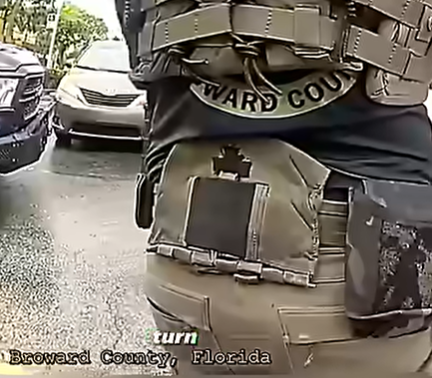
When police located Shane with the truck, the situation escalated quickly. Because the vehicle was listed as stolen, officers surrounded him and treated the stop with caution. Stolen vehicle stops can be high-risk for officers because they do not always know who is inside, whether the person is dangerous, or whether the vehicle is connected to another crime. But in this case, the entire foundation of the stop was wrong. Shane was not a thief. He was the buyer. He had paid $60,000 in cash for the truck, and the problem came from a paperwork error he did not create.
Still, he was placed in handcuffs and arrested. That moment must have been shocking and deeply frustrating. Imagine buying a new vehicle, believing everything is complete, and then suddenly being treated like a criminal because someone else made a mistake. Shane likely had no reason to expect any trouble. He had proof that he paid for the truck, but in the heat of the stop, the police were responding to what their system showed. For him, the experience was not just confusing; it was humiliating. Being surrounded by officers, detained, and handcuffed in public can make a person feel powerless, especially when they know they have not done anything wrong.
The situation became even worse when the rear bumper of his new truck was damaged by a police vehicle during the arrest. That detail adds another layer of frustration. The truck was brand new, expensive, and legally purchased. It had already become the center of a wrongful stolen-vehicle report, and now it was physically damaged during the police response. For Shane, the incident was no longer only about being detained. It was also about property damage, emotional distress, and the consequences of an error that should never have happened.
After being taken into custody, Shane ended up in an interrogation room. Officers explained that the truck had been flagged as stolen, which finally gave him a clearer understanding of why he had been arrested. But knowing the reason did not make the situation fair. He was still handcuffed, still detained, and still forced to prove that he had legally bought the vehicle. The burden had shifted onto him to fix a mistake that began elsewhere. Instead of enjoying his new truck, he was sitting in a police station trying to show that he was not a criminal.
Shane contacted his family, and they brought his proof of purchase and payment receipts to the police station. Those documents became the key to proving the truth. The receipts showed that he had paid for the truck. The proof of purchase showed that the vehicle was not stolen from the dealership. Once officers reviewed the documents and checked with the dealership, the real problem became clear: there had been a registration error. The stolen vehicle flag was not based on Shane’s wrongdoing. It was the result of a mistake connected to the dealership’s handling of the sale.
Eventually, officers released Shane and removed his handcuffs. But by then, the damage had already been done. He had been arrested, detained, humiliated, and forced to rely on his family to bring paperwork to prove his innocence. His new truck had been damaged. The excitement of buying the vehicle had been replaced by stress, embarrassment, and anger. Even though the officers ultimately released him, the experience was not something that could simply be erased.
What makes this story so troubling is how preventable it appears to have been. A dealership selling a $60,000 vehicle has a responsibility to handle documentation correctly. Registration, title work, and reporting details are not minor details when they can affect whether a vehicle appears legal or stolen in law enforcement systems. A simple administrative error can have serious consequences when it involves police databases. In Shane’s case, that error resulted in a full arrest.
The dealership’s mistake may have seemed like a paperwork issue from an office perspective, but in the real world, it placed a customer in a frightening situation. When a vehicle is incorrectly flagged as stolen, police do not treat it like a small clerical problem. They respond as if the person driving it may be involved in a crime. That can mean multiple officers, weapons readiness, handcuffs, detention, interrogation, and possible vehicle damage. The seriousness of those consequences is why proper registration work matters so much.
The police department’s role is also complicated. Officers were acting on the information available to them, and a stolen vehicle alert is something they are trained to take seriously. From their point of view, they had a duty to investigate. However, Shane’s legal action suggests that he believed the response caused unnecessary harm or that the situation should have been handled differently once he explained that he had purchased the vehicle. The arrest and the damage to the truck became part of the larger dispute over who should be held responsible for what happened.
Shane later took legal action against both the police department and the dealership, seeking $200,000 in joint compensation. That amount likely reflects more than the cost of the damaged bumper. It represents the broader impact of the incident: the arrest, the emotional distress, the public humiliation, the time lost, the stress placed on his family, and the damage to a vehicle he had just purchased. For Shane, the issue was not just that a mistake happened. It was that the mistake led to a chain of events that affected his freedom, his property, and his sense of trust.
The case raises an important question about accountability. When a dealership error causes a customer to be arrested, who is responsible for the consequences? Is it the dealership because its registration mistake triggered the stolen-vehicle report? Is it the police department because officers carried out the arrest and damaged the truck? Or is responsibility shared because the mistake began in one place and the harm unfolded in another? Shane’s lawsuit appears to argue that both sides played a role in what happened to him.
For many people watching or reading about the incident, the most shocking part is that Shane paid in cash. A $60,000 cash purchase suggests that the transaction was clear and direct. He did not sneak away with the vehicle. He did not avoid payment. He paid a major amount of money upfront and should have been protected by the paperwork that came with the purchase. Instead, the system failed him. That contrast makes the story feel especially unfair. He did everything a buyer is supposed to do, yet he was still treated as though he had stolen the truck.
The incident also shows how much ordinary people depend on systems they do not control. When a dealership enters information incorrectly, the buyer may not know until something goes wrong. When a police database shows a vehicle as stolen, officers may rely on that information in real time. When one system talks to another system incorrectly, the person caught in the middle may have very little power to fix it quickly. Shane’s family had to physically bring documents to the station because his word alone was not enough to override the stolen-vehicle flag.
That is one of the most frustrating parts of the story. A person can tell the truth, but if the system says something different, they may still be detained until paperwork proves it. Shane knew he bought the truck. His family knew he bought the truck. The dealership presumably had records showing he bought the truck. But until those records reached the officers and the mistake was verified, he remained in handcuffs. In that moment, the system’s error had more power than his explanation.
The emotional impact of being wrongfully arrested can be serious. Even after release, a person may feel embarrassed, angry, anxious, or distrustful. They may replay the moment again and again, thinking about how quickly their normal day turned into an arrest. Shane’s experience likely left him wondering how such a mistake could happen after such a large purchase. The joy of buying the truck may have been permanently connected to the memory of being handcuffed and taken into an interrogation room.
The damage to the truck also matters symbolically. A new vehicle often represents pride and accomplishment. Shane paid a large sum for something he expected to enjoy. But before he could fully experience that ownership, the truck was involved in a police encounter and damaged. The rear bumper damage may have been repairable, but the frustration behind it was much larger. It was not damage from an accident he caused. It was damage that happened during an arrest triggered by someone else’s mistake.
This story also matters because it could happen to other buyers if registration and title work are not handled carefully. Most people trust dealerships to complete the proper paperwork after a sale. Buyers assume that once they pay and receive the keys, the vehicle is legally theirs and properly recorded. They should not have to worry that the same vehicle could be reported stolen because of an administrative error. Shane’s case is a warning about how serious dealership paperwork can be.
For dealerships, the lesson is clear: registration errors are not harmless. They can create legal exposure, damage customer trust, and lead to serious real-world consequences. A customer who pays for a vehicle should not have to fear being arrested while driving it. Dealerships must make sure their records, reports, and registrations are accurate before a vehicle leaves their control. When mistakes happen, they need to be corrected immediately and communicated clearly to all relevant agencies.
For police departments, the case highlights the need to verify information carefully when possible, especially when a detained person provides a plausible explanation and documentation may exist. Officers cannot ignore stolen-vehicle alerts, but once a person claims a legitimate purchase, there should be a clear process for confirming or correcting the information as quickly as possible. The goal should be public safety, but also fairness to people who may be victims of an administrative mistake.
The incident is also a reminder that technology and databases are only as reliable as the information entered into them. A wrong report, a delayed update, or a clerical error can lead to real harm. People often think of database mistakes as invisible or minor, but this case shows how they can result in handcuffs, detention, vehicle damage, and lawsuits. When a database labels a vehicle as stolen, that label can trigger a police response with serious consequences.
Shane’s decision to pursue compensation suggests that he wanted more than an apology. He wanted accountability for the damage and distress caused by the mistake. Seeking $200,000 from both the police department and dealership indicates that he viewed the incident as a major violation, not a simple misunderstanding. Whether or not that amount would ultimately be awarded, the request itself communicates how serious the experience felt to him.
The story also speaks to a broader frustration many people have when institutions make mistakes. When an individual makes an error, they often face immediate consequences. But when a business or agency makes an error, the person harmed may have to fight to be heard. Shane had to prove he owned the truck, get released, deal with vehicle damage, and then take legal action. That process can feel exhausting, especially when the original mistake was not his fault.
One of the most painful parts of such an incident is the loss of dignity. Being handcuffed and detained can make a person feel as though their character has been publicly questioned. Even if police later acknowledge the mistake, the memory of being treated like a suspect remains. Shane likely knew he had done everything legally, yet he still had to sit in an interrogation room while his family brought proof. That is a deeply frustrating reversal of what should have been a simple ownership verification.
The family’s role in resolving the situation is also important. Without them bringing receipts and proof of purchase, Shane may have remained detained longer. Their involvement helped officers confirm the truth. But it also shows how vulnerable someone can be in these situations if they do not have immediate access to documents or someone who can bring them. A person should not have to rely on family members to prove that a dealership sold them a vehicle legally, but that is what happened here.
The dealership’s name being connected to the incident also affects its reputation. Customers expect dealerships to manage high-value transactions professionally. A mistake that results in a customer being arrested can damage public trust. Even if the dealership did not intend for Shane to be harmed, the consequences were severe. In business, especially with expensive purchases, responsibility includes making sure administrative work does not put customers at risk.
The police vehicle damaging the bumper adds another possible point of accountability. If officers damaged the truck during the stop, Shane may reasonably expect that damage to be repaired or compensated. A person should not have to pay out of pocket for damage caused during an arrest that resulted from a mistaken stolen-vehicle report. The truck was brand new, and the damage happened before Shane had even been able to enjoy it properly.
This entire incident shows how a single error can snowball. First, the registration mistake happens. Then the truck is flagged as stolen. Then police locate it. Then Shane is surrounded and arrested. Then the truck is damaged. Then he is taken to an interrogation room. Then his family has to bring proof. Then the dealership error is verified. Then he is released. Then legal action follows. What began as paperwork turned into a major dispute involving law enforcement, a dealership, property damage, and a compensation claim.
For Shane, the truck may never feel the same after that day. Even if repaired, even if the legal case progresses, the memory attached to the purchase has changed. Instead of remembering only the excitement of buying a GMC Sierra AT4X, he may remember the fear and confusion of being arrested because the vehicle was wrongly reported stolen. That emotional connection is hard to undo.
The story is powerful because it reminds people that mistakes inside official systems can affect real lives. A wrong entry is not just a wrong entry. It can put someone in handcuffs. It can damage property. It can create fear, embarrassment, and financial consequences. Shane’s case stands as an example of why businesses and agencies must treat paperwork, registration, and verification with extreme care.
In the end, Shane’s purchase should have been simple: he paid $60,000, received his truck, and should have been able to drive it without trouble. Instead, he became the center of a stolen-vehicle arrest caused by a registration error. He was handcuffed, taken to an interrogation room, forced to prove his ownership, and left with damage to his new truck. After the truth came out, he was released, but the experience did not end there. His decision to seek $200,000 in compensation shows that he believed the mistake had consequences serious enough to demand accountability.
What makes the incident so striking is that Shane was not accused because he failed to pay or because he acted suspiciously. He was accused because the system around his purchase failed. The dealership’s error created a false stolen-vehicle report, and that report led police to treat him as a suspect. Once the paperwork was reviewed, the truth became clear, but only after Shane had already gone through an experience no innocent buyer should have to endure.
The incident also shows how quickly trust can be broken between a customer and a dealership. When someone spends $60,000 in cash on a vehicle, they expect the dealership to handle every detail with care. The buyer should not have to worry about whether the registration was entered correctly or whether the vehicle might accidentally appear as stolen in a police database. Shane placed trust in the dealership to complete the sale properly, and that trust was badly damaged when the mistake led to him being arrested.
For Shane, the release from custody may have ended the immediate problem, but it did not erase what happened. Being told “it was a mistake” does not undo the embarrassment of being handcuffed, the fear of being surrounded by police, or the frustration of sitting in an interrogation room while waiting for proof of ownership. It also does not repair the damaged bumper or restore the excitement he should have felt after buying his new truck. That is why his decision to seek compensation makes sense from his point of view. He was not only asking for repair costs; he was asking for recognition that the entire experience caused real harm.
The case also reminds buyers to keep purchase documents, receipts, temporary registration papers, and dealership communication close after buying a vehicle. Shane’s family was able to bring proof to the police station, and those documents helped clear up the situation. Without them, the process could have taken longer and become even more stressful. While the mistake was not his fault, having paperwork available became the key to proving the truth.
In the end, Shane’s story is a warning about how serious administrative errors can become when they enter law enforcement systems. A simple registration mistake did not stay inside an office. It followed Shane onto the road, led to his arrest, damaged his property, and forced him into a legal fight for accountability. What should have been a proud first drive in a new truck became a reminder that even one wrong entry can change someone’s life for a day, and sometimes much longer.