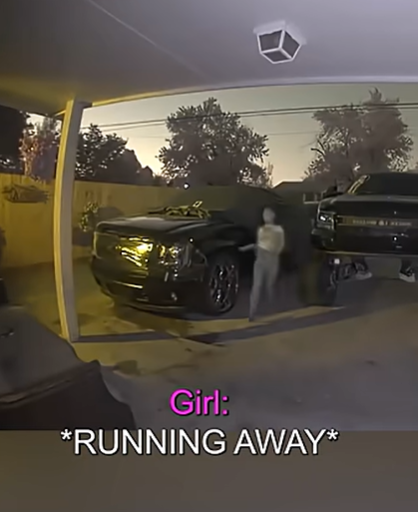
In a residential neighborhood, a dramatic and tense situation unfolded, captured entirely by a Ring doorbell camera, that highlights both the vulnerabilities of children in public spaces and the critical role of rapid intervention by vigilant adults. The incident centers on two young sisters, who found themselves in immediate danger when a stranger, driving a grey car and wearing a clown mask, attempted to pursue them. The older sister, sensing the threat, ran frantically into a driveway, ringing the doorbell and screaming for help. Her actions underscore the intuitive protective instincts children can exhibit when confronted with danger, as well as the importance of accessible safety measures, such as doorbell cameras, that provide both immediate alert and visual documentation of events.
The younger sister followed closely, demonstrating trust and reliance on her sibling, and highlighting the dynamics of familial protection even in high-stress scenarios. The rapid escalation of events created a high-pressure situation, demanding immediate adult intervention to prevent potential abduction or harm. The male homeowner, upon opening the door, was confronted with two frightened children and an imminent threat. His response exemplifies effective crisis management: maintaining composure, offering reassurance, and immediately prioritizing the safety and emotional stability of the children. By having them sit out of sight in the driveway, he created a temporary safe zone, shielding them from further exposure to the suspect while assessing the situation.
An essential component of the homeowner’s response involved gathering actionable information. He requested the mother’s phone number, allowing for direct communication with the children’s guardian and ensuring that parental awareness and oversight were integrated into the response strategy. Simultaneously, he collected detailed descriptions of the suspect and their vehicle, providing critical information that could assist law enforcement in locating the individual and preventing further harm. This step reflects a structured approach to civilian intervention, balancing immediate safety with the collection of intelligence necessary for broader public safety measures.
The incident escalated in real time when a car, potentially the suspect’s, was heard driving by the street. The homeowner’s decision to personally escort the girls back to their house illustrates both situational judgment and risk assessment. Recognizing the potential threat, he minimized exposure by accompanying the children, ensuring they were under adult supervision during the vulnerable journey back to safety. Picking up one of the children’s bicycles further demonstrates adaptability and proactive problem-solving, allowing the family’s routine objects to serve as instruments for protection and mobility. This aspect of the response highlights how ordinary tools and environmental awareness can be leveraged effectively during emergencies.
The psychological dimensions of the incident are notable. The children’s immediate panic and fear were met with calm and measured adult intervention, demonstrating the importance of emotional regulation in crisis situations. For children, perceiving that an adult is competent, calm, and responsive is essential for mitigating trauma and reinforcing feelings of safety. The homeowner’s composed demeanor, combined with clear communication and deliberate action, likely played a crucial role in preventing panic escalation, maintaining order, and ensuring that the children remained compliant and reassured throughout the ordeal.
From a societal perspective, the event underscores the importance of community vigilance and the role that neighbors and citizens play in safeguarding public spaces. While law enforcement agencies provide structured responses to criminal activity, immediate civilian action can bridge critical time gaps, preventing harm and facilitating early intervention. The homeowner’s actions illustrate how ordinary community members, equipped with situational awareness, empathy, and the capacity to act decisively, can play an essential role in protecting vulnerable individuals, particularly children.
The incident also emphasizes the critical role of technology in modern residential safety. Ring doorbell cameras and similar devices provide real-time alerts, visual evidence, and documentation that can be crucial for law enforcement investigations and for post-incident analysis. The camera captured the sequence of events in detail, documenting both the children’s flight, the suspect’s actions, and the homeowner’s interventions. This objective record not only serves as legal and investigative evidence but also provides a learning tool for understanding human behavior in emergencies, effective civilian response, and the dynamics of rapid threat assessment.
Legally, the homeowner’s actions fall within the parameters of citizen intervention aimed at preventing imminent harm. By shielding the children, gathering information, and ensuring they were escorted safely back to a secure location, he acted proportionately to the threat and prioritized safety over confrontation. The incident highlights the careful balance civilians must maintain when intervening: acting decisively to protect vulnerable individuals while avoiding unnecessary escalation or risk to themselves.
Finally, this incident serves as a profound case study in crisis management, human behavior, and civic responsibility. It illustrates how ordinary individuals can intervene effectively to prevent harm, protect vulnerable populations, and facilitate subsequent law enforcement action. The combination of quick assessment, situational adaptation, emotional composure, and strategic intervention demonstrates the potential for community members to act decisively and responsibly in emergencies. The event also reinforces the importance of preparedness, awareness, and technological support in enhancing safety, providing lessons for families, neighborhoods, and public safety organizations.
The Ring doorbell footage, capturing every moment of the tense encounter, serves as a compelling reminder that vigilance, empathy, and swift action can prevent potentially devastating outcomes. It highlights the intersection of human intuition, technological assistance, and community responsibility in ensuring the safety of the most vulnerable, providing a model for how ordinary citizens can act effectively in high-pressure situations while reinforcing societal norms of care, protection, and ethical intervention.
The Ring doorbell incident involving the two young girls illustrates the critical importance of rapid situational assessment in residential public safety scenarios. When the older girl ran frantically into the driveway, the immediate danger was evident: a masked individual following the children in a vehicle posed a credible threat of abduction or serious harm. In these moments, cognitive processing occurs under extreme stress for both the victim and the responding adult. The child’s actions—running to a safe space, ringing the doorbell, and calling for help—demonstrate remarkable situational awareness and the innate understanding of seeking adult intervention when confronted with immediate danger. Children in such scenarios often experience heightened fear, stress, and the need for reassurance. Their instinctive behavior, combined with the presence of a nearby adult capable of managing the threat, creates a critical window for effective intervention.
The male homeowner’s response exemplifies effective crisis management in high-pressure residential scenarios. He immediately prioritized the children’s safety, demonstrating calm, composure, and rapid situational judgment. Rather than confronting the suspect directly, he created a safe zone by having the girls sit out of sight in the driveway. This approach mitigated immediate risk while allowing the adult to gather actionable information. His calm demeanor and verbal reassurance not only prevented further panic but also modeled controlled behavior for the children. Psychological research emphasizes that in crisis situations, adults who remain composed can significantly reduce fear and improve compliance among children. By balancing authority, empathy, and strategic thinking, the homeowner prevented escalation while preparing for the safe resolution of the situation.
A key aspect of effective intervention in this scenario was information gathering. The homeowner asked for the mother’s phone number, ensuring that parental oversight could be integrated into the response plan. He also gathered detailed information about the suspect’s vehicle, behavior, and appearance, which is crucial for both law enforcement and future preventive measures. Collecting such information while maintaining the children’s safety demonstrates the dual priorities in crisis management: immediate protection and preparation for law enforcement intervention. This process underscores the importance of observational awareness, documentation, and structured problem-solving under pressure, skills that are essential not only for law enforcement personnel but also for responsible civilians in emergency situations.
The environmental context of the incident played a significant role in shaping the strategy for intervention. Residential driveways, sidewalks, and streets create specific spatial dynamics that influence movement, visibility, and accessibility. The homeowner effectively utilized these environmental features, keeping the children shielded from the street while simultaneously maintaining a clear line of observation to monitor the suspect’s actions. When the masked individual in the grey car drove past, the homeowner’s awareness of environmental constraints allowed him to make the tactical decision to personally escort the girls home safely. In urban and suburban contexts, understanding environmental affordances—such as barriers, sightlines, and accessible escape routes—is critical in managing immediate threats and ensuring the safety of vulnerable individuals.
The psychological and emotional dimensions of the incident are multifaceted. For the children, the experience involved fear, confusion, and the urgent need for protection. The older sister demonstrated both instinctive leadership and protective behavior by seeking help, while the younger sister followed her lead, indicating trust and reliance on family and adult intervention. The homeowner’s actions provided the children with stability, reassurance, and guidance, reducing the likelihood of panic and helping them navigate the stress of the situation. From the adult perspective, rapid decision-making under pressure required not only situational awareness but also emotional regulation, risk assessment, and the ability to communicate effectively. The integration of these cognitive and emotional skills enabled the adult to maintain control over the environment, prioritize safety, and ensure a successful resolution.
From a legal perspective, the homeowner’s actions were aligned with principles of reasonable intervention. In most jurisdictions, civilians are permitted to act to protect vulnerable individuals from imminent harm, provided that the actions taken are proportionate to the threat and do not escalate the situation unnecessarily. By creating a safe zone, gathering information, and escorting the children home without direct confrontation with the suspect, the homeowner’s interventions were measured, strategic, and aimed at minimizing risk. The presence of video documentation from the Ring doorbell further enhances the legitimacy of the actions, providing an objective record that verifies the sequence of events, the proportionality of the response, and the intent to protect rather than punish.
The incident also highlights broader societal implications regarding community responsibility and civic engagement. In neighborhoods, the safety of children and vulnerable individuals is often enhanced by proactive adults who are willing and able to intervene in emergency situations. The homeowner’s decisive actions demonstrate how ordinary citizens can play a critical role in public safety, bridging the gap between criminal behavior and the arrival of law enforcement. At the same time, the incident illustrates the balance required between taking action and recognizing the limits of personal authority, emphasizing that intervention must be guided by both situational awareness and an understanding of legal and ethical constraints.
The role of technology in this scenario cannot be overstated. Ring doorbells and other smart home security systems provide real-time alerts, video evidence, and documentation that are invaluable in assessing threats, ensuring safety, and facilitating law enforcement investigation. The high-definition video of the incident not only captured the children’s arrival and the homeowner’s response but also documented the suspect’s vehicle and behavior, providing a critical evidence trail. Technology in residential safety functions as both a deterrent to criminal activity and a mechanism for documentation, allowing authorities to verify events, assess legal compliance, and evaluate the effectiveness of civilian interventions.
Ethically, the incident presents a compelling example of responsible civic action. The homeowner acted decisively but proportionately, ensuring that the children were protected while avoiding unnecessary confrontation or escalation with the suspect. His actions balance moral responsibility with practical safety considerations, illustrating that effective intervention in emergency situations requires not only courage but also judgment, empathy, and adherence to ethical standards. By prioritizing the safety and emotional stability of the children, the homeowner exemplified ethical decision-making under duress, providing a model for other citizens on how to respond in similar high-pressure scenarios.
The incident also offers important lessons for law enforcement training, public safety education, and community preparedness. Understanding the dynamics of civilian intervention, the risks associated with immediate threats, and the strategies that ensure safety without escalation can inform both policy and educational programs. Law enforcement agencies can analyze incidents like this to develop guidelines for civilian reporting, collaboration, and safe intervention techniques, while community organizations can provide training and awareness programs to teach families and neighborhood residents how to act decisively and safely during emergencies.
Finally, the Ring doorbell footage illustrates the broader interplay between human behavior, situational awareness, and technology in public safety. It shows that rapid cognitive assessment, emotional regulation, strategic intervention, and effective use of environmental and technological resources can combine to produce a safe and effective outcome even in highly stressful, potentially dangerous situations. The incident underscores the importance of preparedness, situational intelligence, and proactive community engagement, highlighting that ordinary citizens, when acting responsibly and thoughtfully, can significantly enhance public safety and prevent harm.
By examining the Ring doorbell incident in depth, it becomes clear that effective crisis response in residential settings relies on a combination of human courage, ethical judgment, situational awareness, technological support, and community collaboration. The event serves as both a cautionary tale and a model for civic responsibility, illustrating how rapid, measured, and informed intervention can protect the most vulnerable, prevent criminal activity, and facilitate subsequent law enforcement action while maintaining proportionality, safety, and ethical integrity.
Beyond immediate safety, the Ring doorbell incident illustrates the broader implications of situational preparedness and community awareness in residential neighborhoods. In this case, the children’s quick thinking—running to a safe location and using the doorbell—demonstrates how even young individuals can effectively navigate a threat when guided by instinctive protective behaviors and prior knowledge of safety measures. The older child’s proactive steps not only placed the family in a position to avoid immediate danger but also created a framework for structured intervention by a responsible adult. Educating children about recognizing danger, seeking help, and identifying safe zones is a crucial aspect of public safety, and this incident highlights how such preparedness can dramatically reduce risk and improve outcomes during high-pressure scenarios.
The homeowner’s actions also underscore the importance of rapid risk assessment and tactical decision-making. By prioritizing the children’s immediate safety over confrontation with the suspect, he minimized potential harm while maintaining control over the situation. Gathering information, including the suspect’s vehicle description and behavioral cues, further strengthened the foundation for law enforcement response. This balance of immediate protective measures and strategic data collection demonstrates how civilian interventions can complement formal policing without creating unnecessary escalation or legal complications. In urban environments, where response times for police can vary, such interventions serve as a critical first line of defense, highlighting the value of training, awareness, and calm decisiveness.
Psychologically, the incident demonstrates how stress and fear can shape both victim and responder behaviors. The children’s panic was natural, reflecting the acute stress response to perceived threat, while the homeowner’s calm composure illustrates the impact of emotional regulation on crisis outcomes. Adults who maintain control under pressure provide reassurance, reduce panic, and guide vulnerable individuals safely through threatening situations. This dynamic is supported by research in developmental psychology, which indicates that children are highly sensitive to adult emotional states during emergencies. The homeowner’s ability to project calm confidence likely had a stabilizing effect, enabling the children to respond more rationally, follow instructions, and remain physically safe during the walk back to their home.
From a community perspective, the incident underscores the importance of civic responsibility and neighborhood vigilance. While professional law enforcement provides essential oversight, ordinary residents often serve as the first point of response during emergent threats. This event demonstrates how proactive community members, when informed, situationally aware, and willing to act, can prevent potential harm, stabilize a situation, and provide critical support until authorities arrive. It also highlights the role of technology—such as Ring doorbells—in amplifying community safety. Devices that provide real-time alerts, audio-visual documentation, and instant communication channels allow for more efficient intervention and evidence collection. These tools serve both protective and investigative purposes, enabling communities to act swiftly while providing law enforcement with precise information to support subsequent action.
Legally, the homeowner’s actions are illustrative of proportionate response and the concept of reasonable force in civilian intervention. In jurisdictions like the United Kingdom or the United States, citizens are permitted to act in defense of themselves or others when imminent harm is evident, provided their actions are proportional to the threat and aimed at preventing immediate danger. The homeowner’s strategy—shielding the children, gathering intelligence, and escorting them home without engaging directly with the suspect—exemplifies a measured and legally defensible approach. By avoiding unnecessary confrontation while prioritizing safety, the intervention adheres to ethical and legal standards, setting a model for how civilians can respond effectively within the bounds of the law.
The environmental and logistical factors present in this incident also played a significant role. Residential streets, driveways, and sidewalks create a constrained physical environment that both limits movement and provides strategic opportunities for protection. The homeowner leveraged these environmental features by keeping the children out of direct line of sight from the street, maintaining situational awareness, and monitoring the suspect’s movement. When the masked individual in the grey vehicle drove by, the adult’s assessment of spatial constraints, potential escape routes, and visibility enabled a safe and controlled escort back to the residence. This illustrates the importance of environmental awareness, quick spatial judgment, and adaptive strategy in civilian-led public safety interventions.
Ethically, the incident highlights principles of proportionality, moral responsibility, and duty of care. The homeowner acted decisively to protect vulnerable individuals, yet all interventions were carefully calibrated to avoid harm to both the suspect and the children. Such ethical considerations are essential in civilian intervention: while action is necessary to prevent immediate danger, the methods employed must respect human dignity and avoid excessive force. By maintaining control through guidance, reassurance, and strategic positioning rather than physical confrontation, the homeowner demonstrated that ethical decision-making and effective safety measures can coexist in high-pressure situations.
The incident also has implications for law enforcement training and public safety education. Law enforcement agencies can analyze civilian interventions like this to understand the dynamics of initial response, risk assessment, and the integration of bystander assistance. Such cases can inform public awareness campaigns, teaching families and neighborhood residents how to respond effectively to emergent threats while remaining legally compliant and safe. Scenario-based training that incorporates lessons from real incidents—including the use of technology, communication strategies, and environmental navigation—can enhance preparedness, reduce panic, and improve outcomes in future emergencies.
From a societal standpoint, the Ring doorbell incident highlights the broader interplay between human behavior, technology, and community resilience. Children demonstrated instinctive protective behaviors, the homeowner applied calm, effective crisis management, and technology provided documentation and situational awareness. Together, these elements illustrate how human intuition, ethical action, and technological support converge to protect vulnerable individuals in urban and residential contexts. The incident provides a model for understanding the multifaceted nature of public safety, emphasizing that preparedness, awareness, and immediate intervention can significantly mitigate risk even in unpredictable situations.
The long-term implications of this incident extend to community engagement, technology adoption, and public safety policy. Encouraging families to equip homes with real-time alert systems, educating citizens on proportional intervention, and fostering neighborhood networks of vigilance can create a culture of shared responsibility. Simultaneously, the incident demonstrates the importance of clear communication with law enforcement, ensuring that civilian actions complement formal policing rather than create conflicts or unintended risk. By analyzing and documenting such events, communities and authorities can identify best practices, establish protocols for civilian engagement, and promote public safety strategies that are both effective and ethically sound.
Finally, this incident underscores a critical lesson in the integration of human judgment, moral responsibility, and technological support in public safety. The homeowner’s calm intervention, the children’s protective instincts, and the real-time alerts provided by the doorbell system collectively ensured the safe resolution of a potentially dangerous situation. The event highlights the need for ongoing community education, training in situational assessment, and awareness of legal and ethical boundaries when intervening in public safety crises. It also demonstrates that ordinary individuals, equipped with awareness, courage, and access to technology, can play a vital role in safeguarding vulnerable populations, preventing harm, and supporting law enforcement in maintaining order.