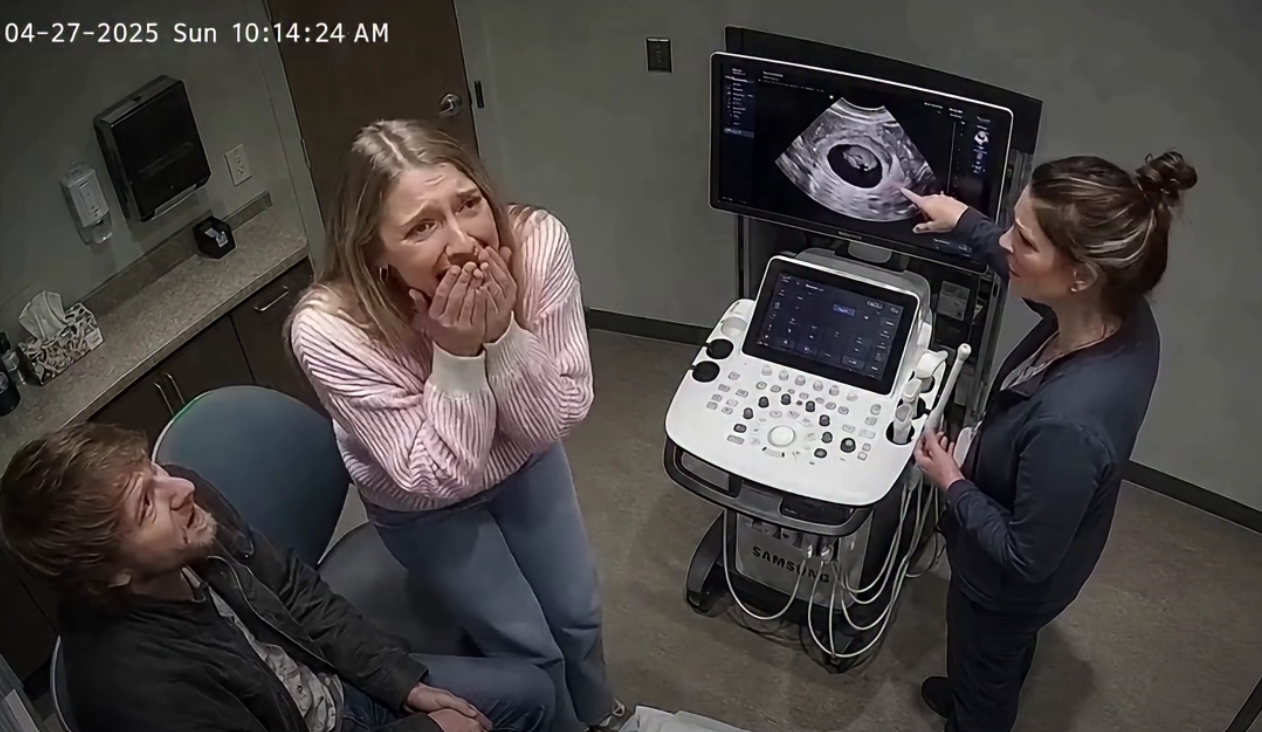
Few experiences carry as much anticipation, hope, and emotional weight as expecting a child. For many parents, pregnancy is a period filled with excitement and preparation. Families begin imagining the future, planning for a new arrival, choosing names, preparing a home, and thinking about all the experiences they hope to share with their child. At the same time, pregnancy can also bring uncertainty. Medical appointments, tests, screenings, and unexpected information can sometimes introduce difficult questions that parents never imagined they would have to consider. When those questions involve the health or development of an unborn child, the emotional impact can be particularly significant.
Over the years, advances in prenatal screening and diagnostic testing have given expecting parents access to more information than previous generations had. Modern prenatal care can identify certain genetic conditions, chromosomal differences, and developmental concerns earlier in pregnancy. This information can sometimes provide reassurance, allowing families to prepare for a child’s potential medical or developmental needs. In other situations, however, unexpected results can lead to difficult conversations, additional testing, consultations with specialists, and deeply personal decisions. The availability of more information can therefore be both helpful and emotionally challenging.
When parents receive unexpected prenatal information, they may experience a wide range of emotions. Some may feel shocked or confused, while others may immediately begin worrying about what the information could mean for their child’s future. Questions can arise about medical care, education, independence, family life, financial responsibilities, and the type of support that may be needed. These questions are rarely simple, and there is no single emotional response that applies to every family. Each pregnancy, each diagnosis, and each family circumstance is different.
Medical information can also be difficult to understand, particularly when parents are receiving it during an already emotional period. Screening results may require further evaluation, and families may need to speak with doctors or specialists before they have a clear understanding of what the information actually means. This is one reason healthcare professionals often encourage parents to gather information carefully and seek professional guidance. Making decisions based solely on fear, assumptions, or information found online can make an already difficult situation even more overwhelming.
One of the chromosomal conditions that may be identified through prenatal testing is Down syndrome, also known as Trisomy 21. Down syndrome occurs when a person has an extra copy of chromosome 21. This additional genetic material can influence physical development, intellectual development, and certain aspects of health. However, Down syndrome does not look exactly the same in every individual. People with the condition can have very different abilities, personalities, health needs, and levels of independence.
Some individuals with Down syndrome may require substantial support throughout their lives, while others can develop significant levels of independence and participate actively in education, employment, community activities, and family life. Improvements in healthcare, education, support services, and community inclusion have contributed to better opportunities for many people with Down syndrome. Families and advocates have also played an important role in increasing public understanding and challenging assumptions about what life with a disability can look like.
At the same time, families raising a child with Down syndrome may encounter challenges. These can include healthcare needs, developmental support, educational planning, and questions about long-term caregiving. Such considerations can naturally become part of conversations when parents receive a prenatal diagnosis. Understanding these realities does not mean assuming that every family will have the same experience. Rather, it highlights why access to accurate information and individualized medical guidance is so important.
The emotional impact of unexpected information during pregnancy can be substantial regardless of the specific condition involved. Parents may have spent months imagining one version of their future and suddenly find themselves considering possibilities they had never previously discussed. Plans that once felt certain can begin to feel unclear. The future may seem filled with unanswered questions, and parents may need time to process information before they feel capable of making important decisions.
During this period, families may spend considerable time researching medical information, speaking with healthcare providers, consulting specialists, and talking with people they trust. Some may seek support from counselors or organizations that work with families facing similar circumstances. Others may want to hear directly from families who have experience raising children with particular medical or developmental conditions. Hearing different perspectives can help parents understand that a diagnosis does not necessarily tell the entire story of an individual’s life.
The process of making decisions can also involve a great deal of reflection. Parents may consider medical information alongside their own personal circumstances, values, beliefs, financial situation, family support system, and concerns about the future. These factors can interact in complicated ways. What feels possible for one family may feel very different for another. For this reason, it is difficult for people outside a situation to fully understand the circumstances influencing a family’s choices.
Healthcare professionals can play a particularly important role during these moments. Doctors, genetic counselors, specialists, and other medical providers can help explain test results, discuss possible outcomes, answer questions, and identify additional resources. Their role is not simply to provide information but also to help families understand the limitations and uncertainties associated with different types of testing. Screening and diagnostic information can be complicated, and professional interpretation can be essential.
Because every pregnancy is different, medical conversations are often highly individualized. A result that raises concerns in one situation may require a different response in another. Families may also need additional testing before they have a clearer understanding of what they are facing. This is why evidence-based medical guidance is so valuable. Online discussions can provide personal experiences and emotional support, but they cannot replace individualized advice from qualified healthcare professionals.
The emotional side of these situations should not be overlooked. Medical conversations often focus on facts, numbers, tests, and possible outcomes, but parents are also human beings processing difficult information. Fear, sadness, uncertainty, confusion, and even guilt can all become part of the experience. Some parents may feel pressure to make decisions quickly, while others may need considerable time to understand their emotions and consider their options.
Support systems can make a meaningful difference. A trusted friend or family member may provide a listening ear without trying to make the decision for the parents. A counselor can help individuals process difficult emotions. A support group can connect families with others who have faced similar experiences. Medical professionals can provide factual information and help clarify questions. Together, these forms of support can reduce feelings of isolation and help families navigate uncertainty.
The situation becomes even more complicated when private family decisions become public. Social media has transformed the way people share personal experiences. A story that once might have remained within a family or small community can now reach thousands or even millions of people. Public figures, online creators, and ordinary individuals can share personal experiences with audiences around the world, sometimes receiving enormous amounts of attention in a very short period.
When stories involve pregnancy, healthcare, disability, or parenting, public reactions can become especially intense. These subjects are connected to deeply held personal values, experiences, and beliefs. Some people respond with empathy and encouragement. Others may express disagreement or concern. Some may use the discussion to advocate for broader causes or policies. As a result, a family’s personal experience can quickly become part of a much larger public conversation.
Public discussion can have positive effects. Sharing personal experiences can help people who are facing similar situations feel less alone. A family discussing an unexpected prenatal diagnosis may encourage others to seek information or support. Stories involving disability can also help challenge stereotypes and promote greater awareness. When people share their experiences respectfully, they can contribute to a better understanding of complex issues.
However, public attention can also create significant pressure. Families who are already processing difficult information may suddenly find themselves facing comments from strangers. Some comments may be compassionate, while others may be judgmental, dismissive, or deeply personal. The speed and scale of social media can make it difficult for people to step away from a conversation once it begins.
This raises important questions about privacy and boundaries. Sharing a personal experience can be empowering, but individuals also have the right to decide how much information they want to make public. Not every aspect of a family’s medical situation needs to be shared with an audience. Families may need to balance the desire to educate or connect with others against the need to protect their own emotional well-being.
Respectful discussion is particularly important when topics involve difficult family decisions. Complex situations rarely fit neatly into simple categories. People come to these conversations from different life experiences, cultural backgrounds, beliefs, financial circumstances, and family structures. Two people can have very different opinions about a difficult issue while both sincerely believing that they are acting according to their values.
Respect does not require agreement. It simply means recognizing that the people involved are human beings facing circumstances that may be much more complicated than they appear from the outside. A person observing a situation through a social media post may see only a small portion of the information that influenced a family’s decision. Medical circumstances, emotional considerations, financial concerns, family responsibilities, and access to support may all be invisible to the public.
This is why assumptions can be harmful. When people judge a family without knowing the full circumstances, they may unintentionally overlook important realities. A public conversation becomes more productive when participants acknowledge that they may not have access to every detail. Asking questions, listening, and seeking reliable information can create a much healthier discussion than immediately criticizing or condemning someone.
These conversations also connect to broader discussions about disability awareness and inclusion. Advocacy organizations and families of people with disabilities have spent decades working to promote greater understanding, accessibility, and opportunity. Progress in education, employment, healthcare, and community participation has helped create more inclusive environments for many individuals.
One important message from disability advocates is that a person should not be defined solely by a diagnosis. A diagnosis can describe a medical or developmental condition, but it does not capture the entirety of an individual’s identity. People have personalities, relationships, interests, talents, goals, and experiences that extend far beyond a medical label.
Families raising children with disabilities often emphasize this broader perspective. Their experiences can demonstrate that disability may involve challenges while also involving meaningful relationships, achievements, milestones, and moments of joy. Hearing directly from people with disabilities and their families can help society develop a more balanced understanding of what life can look like.
Greater awareness can also encourage stronger support systems. Families may need access to appropriate healthcare, educational resources, community services, and practical assistance. When those resources are available, families can have more opportunities to focus on supporting their children rather than navigating systems alone.
This is another reason why conversations about prenatal testing should not be limited to the medical aspects of a diagnosis. Information about a condition is important, but so is information about available support. Parents making decisions need to understand not only potential medical concerns but also the resources, services, and communities that may be available to them.
The role of medical guidance remains central throughout this process. Doctors and specialists can help families understand what is known, what remains uncertain, and what additional information may be available. Genetic counselors can help explain genetic information in a way that families can understand. Other specialists may provide information about potential medical or developmental considerations.
The goal of professional guidance is generally to help families make informed decisions. That does not mean that a healthcare professional can make a deeply personal decision on behalf of a family. Rather, medical providers can offer information and support so that parents can better understand the circumstances they are facing.
This distinction is important because personal decisions and medical facts are not always the same thing. Medical professionals can explain potential outcomes, but families ultimately have their own values and circumstances to consider. A respectful healthcare environment should allow people to ask questions, express concerns, and seek clarification without feeling pressured or judged.
Accurate information is especially important because the internet contains a mixture of reliable resources, personal experiences, opinions, and misinformation. Someone searching for information about a diagnosis may encounter stories representing only one possible experience. A single person’s story cannot necessarily predict what another family’s experience will be.
For that reason, families can benefit from using multiple reliable sources and discussing questions with qualified professionals. Personal stories can be valuable for understanding lived experiences, but medical decisions should be grounded in appropriate professional guidance and individualized circumstances.
Privacy is another major issue in the digital age. Families may choose to share their experiences because they want to educate others, connect with supportive communities, or reduce the sense of isolation that can accompany difficult situations. Sharing can create meaningful connections, particularly when people discover that others have experienced similar challenges.
At the same time, once something is posted publicly, it can be difficult to control where it travels. Screenshots can be taken, posts can be shared, and comments can spread quickly. A personal story may become part of a much larger conversation than the person originally intended.
This is particularly important when the story involves children. Parents may have to consider not only their own privacy but also the future privacy of their children. Information shared during pregnancy or early childhood may remain online for many years. Thinking carefully about boundaries can therefore be an important part of responsible online communication.
Public attention can also affect emotional health and family relationships. Reading hundreds of comments from strangers can become overwhelming, particularly when people express strong opinions about decisions that are deeply personal. Families may need to establish boundaries around social media, limit exposure to harmful comments, or choose not to respond to every criticism.
There is no requirement for every personal decision to become a public debate. People can choose what they share, when they share it, and with whom they share it. Similarly, audiences can choose to respond with compassion rather than judgment.
Perhaps the most important lesson from difficult family stories is the value of compassion. Outsiders rarely have access to every factor influencing a family’s circumstances. A short social media post may describe one aspect of a situation while leaving out countless private details. Medical information, personal history, financial realities, family responsibilities, emotional circumstances, and access to support can all influence decision-making.
Recognizing this complexity does not require people to abandon their personal beliefs. It simply means acknowledging that another person may be facing circumstances that are difficult to understand from the outside. Compassion allows people to hold their own opinions while still treating others with dignity.
Supporting families through difficult moments can take many forms. Sometimes the most valuable support is simply listening. A friend or relative may not have the perfect words, but being present without judgment can provide comfort. Practical assistance can also be valuable, particularly when families are dealing with appointments, additional testing, work responsibilities, or other pressures.
Professional support can be equally important. Medical providers can answer questions and provide guidance. Counselors can help families process emotions. Support groups can connect people with others who understand what they are experiencing. Advocacy organizations can provide educational resources and information about community services.
Knowing that support exists can change the way families experience uncertainty. Even when difficult questions remain unanswered, having people available to help can reduce the feeling of facing everything alone. Strong support networks can also help families move from fear toward a more informed understanding of their circumstances.
As medical technology continues to advance, conversations about prenatal testing are likely to become increasingly important. New technologies may provide expecting parents with more information about pregnancy and fetal development. With greater information, however, society will also need thoughtful conversations about how that information should be understood and used.
Medical progress creates opportunities, but it also creates ethical and social questions. Discussions about prenatal testing can involve parental autonomy, disability awareness, healthcare access, privacy, medical ethics, and the responsibilities of communities to support families. These topics are unlikely to become simpler as technology develops.
The challenge is therefore not only to develop better medical tools but also to develop better ways of discussing their implications. Education and empathy are essential parts of that process. People need access to accurate information, but they also need environments where difficult questions can be discussed without unnecessary hostility.
This becomes particularly important when stories receive widespread attention online. A headline or short video can reduce a complicated family situation to a few sentences. Audiences may react immediately without knowing the full background. Social media encourages fast responses, but complicated issues often require patience.
Taking time to understand a situation before reacting can make a significant difference. Instead of immediately judging a family, people can ask whether they actually know the relevant circumstances. Instead of relying on a viral post, they can look for reliable information. Instead of assuming that one person’s experience represents everyone, they can recognize the diversity of individual experiences.
Stories involving pregnancy, family, and healthcare ultimately connect to universal human emotions. Hope is one of them. Expecting parents often begin pregnancy imagining the possibilities ahead. Uncertainty is another. No family can predict every detail of the future. Love, responsibility, fear, and resilience are also part of the experience.
These emotions exist regardless of a person’s background or beliefs. They help explain why stories involving families can generate such strong reactions. People recognize something of themselves in the uncertainty of preparing for a future they cannot fully control.
At the same time, difficult decisions remind us that life rarely follows a perfectly predictable path. Families can begin with one expectation and encounter information that requires them to reconsider their plans. Navigating those moments can require emotional courage and patience.
The important point is that complicated decisions deserve complicated conversations. Reducing them to simple judgments may make online discussions easier, but it rarely makes them more accurate or compassionate. Families deserve the opportunity to understand their circumstances, seek appropriate guidance, and make decisions based on their individual realities.
The broader conversation surrounding prenatal testing and disability also highlights the importance of inclusion. Society has a responsibility to create communities where individuals with disabilities have opportunities to participate, learn, work, build relationships, and live meaningful lives. Better understanding can help challenge assumptions and encourage greater acceptance.
When people hear about a prenatal diagnosis, they may immediately imagine limitations. But the lives of individuals with disabilities are not defined by a single medical condition. Their experiences can include challenges, but they can also include friendships, accomplishments, family relationships, education, employment, hobbies, and personal goals.
Keeping this broader perspective in mind can make conversations about disability more balanced and humane. It allows people to recognize genuine challenges without overlooking the person behind the diagnosis.
Ultimately, the goal of these conversations should not be to tell every family what they should do. Families have different circumstances, resources, values, and support systems. What matters is ensuring that they have access to accurate information, qualified medical guidance, emotional support, and the freedom to make informed decisions.
It is equally important for the public to recognize the limits of what can be known from a distance. A viral post or short video cannot provide the complete story of another family’s life. Behind every public discussion are real people experiencing real emotions and dealing with private circumstances.
That reminder becomes especially valuable in an online environment where conversations can become polarized within minutes. People may disagree strongly about medical, ethical, or social questions. But disagreement does not require cruelty. It is possible to hold strong personal beliefs while still recognizing the dignity of people who make different choices.
Compassion is not the same as agreement. It is a willingness to recognize another person’s humanity even when their circumstances or decisions are difficult to understand. It means remembering that people often make decisions while carrying pressures that outsiders cannot see.
For families experiencing uncertainty during pregnancy, having a supportive environment can make an enormous difference. Whether that support comes from medical professionals, relatives, friends, counselors, advocacy groups, or communities of people with similar experiences, knowing that others are willing to help can provide reassurance during an uncertain period.
As society continues to develop new medical technologies and as social media continues to make private stories more public, these issues will remain relevant. The ability to access information is valuable, but information alone is not enough. People also need context, professional guidance, emotional support, and opportunities for respectful conversation.
The future of prenatal care will likely involve continued advances in screening and diagnostic technology. These developments may help families understand more about pregnancies than ever before. But with every technological advancement comes a responsibility to consider how information affects people emotionally and socially.
The most constructive approach is one that combines medical knowledge with empathy. Facts are essential, but so is understanding. Technology can provide information, but communities must provide support. Healthcare professionals can explain medical possibilities, but families must ultimately navigate their own personal circumstances.
The stories surrounding difficult prenatal decisions therefore offer lessons that extend far beyond one family or one diagnosis. They remind us about the importance of listening, respecting privacy, seeking reliable information, supporting people through uncertainty, and recognizing the complexity of human experience.
They also remind us that behind every headline, post, video, or public discussion is a human story. The people involved may be experiencing fear, hope, uncertainty, love, responsibility, and countless other emotions that cannot be fully captured in a few words.
Perhaps the most valuable response to such stories is therefore not immediate judgment but curiosity and compassion. Instead of assuming that we know everything, we can recognize what we do not know. Instead of reducing people to a diagnosis or a decision, we can remember that every person and every family is more complicated than a single moment.
In the end, difficult family decisions are rarely simple. They require information, reflection, emotional strength, and often the support of others. Families facing unexpected circumstances deserve dignity and understanding while they navigate those challenges.
Public conversations can be valuable when they increase awareness, encourage education, and help people feel less alone. But those conversations are most meaningful when they are approached with respect. The goal should not be to turn someone else’s difficult experience into an opportunity for judgment. It should be to learn, understand, and recognize the shared humanity behind the story.
Pregnancy can begin with excitement and certainty, but it can also bring unexpected moments that change the way families imagine the future. Modern medicine can provide more information than ever before, yet having more information does not always make decisions easier. Sometimes it simply gives families more questions to consider.
That is why compassion remains so important.
Medical technology will continue to advance. Prenatal testing will continue to develop. Public conversations about disability, parenting, healthcare, and personal choice will continue to evolve. But the basic human need for understanding will remain the same.
Every family deserves the opportunity to seek accurate information, speak with trusted professionals, receive meaningful support, and process difficult circumstances in its own way. Every person deserves to be treated with dignity. And every public conversation about sensitive family decisions benefits from remembering that there is a real human being behind the story.
Ultimately, these discussions are not simply about testing, diagnoses, technology, or disagreement. They are about people facing uncertainty and trying to make sense of complicated circumstances. They are about parents imagining the future of their families, individuals with disabilities living their own lives, medical professionals providing guidance, and communities deciding how they will respond to people who need understanding and support.
When these stories are approached with empathy rather than judgment, they can become opportunities for education and connection. They can encourage people to learn more, challenge assumptions, and recognize the diversity of human experiences.
And perhaps that is the most important message of all: difficult circumstances do not erase a person’s dignity, and disagreement does not have to erase compassion. In a world where online conversations can become divided so quickly, remembering that simple principle can help create a healthier, more thoughtful, and more respectful conversation for everyone.