
The human body often provides subtle signals when something is not quite right, and one of the most overlooked indicators of health can be found in the mouth. Among these signals, a white-coated tongue is a condition that many people experience at some point, yet few fully understand. While it may seem minor or temporary, a white tongue can reflect a range of underlying causes, from simple hygiene issues to more complex health conditions. Understanding what a white tongue is, why it happens, and how to address it can help individuals take better care of their overall oral and physical health.

A white tongue typically appears as a coating or film that covers the surface of the tongue. This coating may be uniform or patchy, affecting the entire tongue or only certain areas. In some cases, it may be accompanied by other symptoms such as a bad taste in the mouth, dryness, or an unpleasant odor. The texture can vary as well, sometimes giving the tongue a slightly fuzzy or hairy appearance. While this may seem alarming at first, it is often the result of natural processes occurring within the mouth.
The surface of the tongue is covered with tiny structures known as papillae, which contain taste buds and help with various functions such as tasting and swallowing. Under normal conditions, these papillae are constantly exposed to saliva, food particles, and bacteria. When everything is balanced, the tongue maintains its healthy pink color. However, when debris, bacteria, or dead cells accumulate between the papillae, they can become coated, leading to the white appearance that characterizes this condition.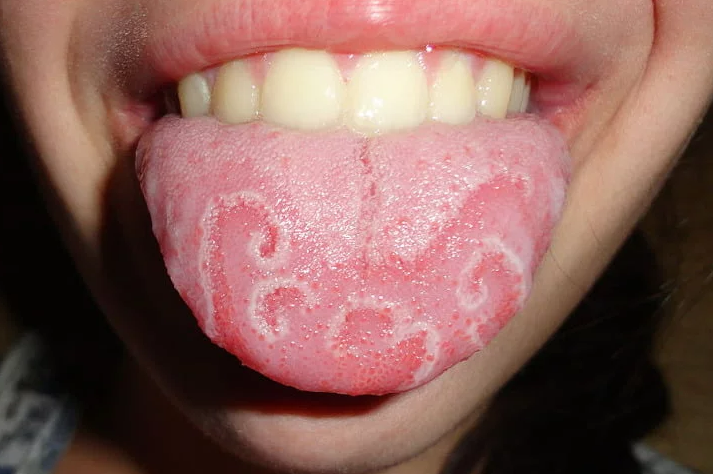
One of the most common reasons for a white tongue is a buildup of bacteria and debris. The mouth is home to a large number of microorganisms, many of which are harmless or even beneficial. However, when oral hygiene is not maintained, these microorganisms can multiply and combine with leftover food particles and dead cells. This mixture becomes trapped between the papillae, forming a visible coating. In such cases, improving oral hygiene—such as brushing the tongue and teeth regularly—can often resolve the issue.
Dehydration is another factor that can contribute to the development of a white tongue. Saliva plays a crucial role in keeping the mouth clean by washing away bacteria and debris. When the body is dehydrated, saliva production may decrease, allowing particles to accumulate more easily. This can result in a dry mouth and a coated tongue. Drinking enough water throughout the day can help maintain proper saliva levels and reduce the likelihood of this condition.
Dietary habits can also influence the appearance of the tongue. Consuming foods and drinks that leave residue, such as coffee, tea, or sugary products, can contribute to discoloration and buildup. In some cases, a brown or yellow tint may appear instead of white, depending on the substances involved. These changes are often temporary and can be addressed through proper cleaning and adjustments in diet.

In addition to these everyday causes, certain medical conditions can lead to a white tongue. Infections, for example, may result in more persistent or noticeable changes in the tongue’s appearance. One such condition is oral thrush, a fungal infection caused by an overgrowth of yeast in the mouth. This condition often produces thick white patches that may be difficult to remove and can cause discomfort. While oral thrush is more common in individuals with weakened immune systems, it can affect anyone under certain conditions.
Another condition associated with changes in tongue appearance is geographic tongue. This relatively rare condition is characterized by irregular patches on the tongue that may change shape and location over time. While it is generally harmless, it can cause sensitivity to certain foods, particularly those that are spicy or acidic. The exact cause of geographic tongue is not fully understood, but it may be linked to factors such as stress, hormonal changes, or irritation.
The presence of white plaque on the tongue can also be influenced by lifestyle factors. Smoking, for instance, can contribute to changes in oral health by affecting the balance of bacteria in the mouth and reducing saliva production. Similarly, alcohol consumption may lead to dryness and irritation, increasing the likelihood of buildup on the tongue. Addressing these habits can play a role in improving overall oral health and reducing symptoms.
Tongue piercings are another factor that can temporarily lead to a white coating. After a piercing, the body responds by increasing bacterial activity in the area as part of the healing process. This can result in a thin white film forming around the piercing site. While this is generally normal, it is important to maintain proper hygiene during this period to prevent infection. Using antibacterial mouthwash and avoiding irritants such as spicy or acidic foods can support healing and reduce discomfort.
For most people, a white tongue is not a cause for serious concern and can be managed with simple home care. Regular brushing of the tongue, in addition to brushing the teeth, can help remove buildup and maintain a healthy appearance. Tongue scrapers, which are designed specifically for cleaning the tongue, can also be effective in removing debris. Maintaining good hydration and a balanced diet further supports oral health by promoting saliva production and reducing the accumulation of particles.
However, there are situations where a white tongue may require professional attention. If the condition persists for several weeks, causes pain, or is accompanied by other symptoms such as difficulty eating or speaking, it is advisable to consult a healthcare provider. A dentist or doctor can assess the situation, identify any underlying causes, and recommend appropriate treatment if necessary.
Understanding the different colors and changes that can occur on the tongue can also provide insight into overall health. While a pink tongue is generally considered normal, other colors may indicate specific conditions. A yellow tongue, for example, may be associated with digestive or liver-related issues, while a red tongue can be a sign of vitamin deficiencies, particularly a lack of vitamin B. These variations highlight the importance of paying attention to changes in the body and seeking guidance when something appears unusual.
The connection between oral health and overall health is an important aspect of this discussion. The mouth serves as an entry point to the body, and conditions within it can reflect or influence broader health issues. Maintaining good oral hygiene is therefore not only important for preventing dental problems but also for supporting general well-being. This includes regular brushing, flossing, and dental check-ups, as well as being mindful of changes that may indicate underlying concerns.
Stress and lifestyle factors can also play a role in oral health. High levels of stress may lead to behaviors such as teeth grinding or changes in eating habits, which can in turn affect the condition of the tongue. Hormonal fluctuations, particularly in women, may also influence oral health, leading to temporary changes in the appearance of the tongue. Recognizing these connections can help individuals take a more holistic approach to their health.
In recent years, there has been growing interest in natural and preventive approaches to health, including oral care. Simple practices such as rinsing with salt water, using herbal mouthwashes, or maintaining a balanced diet can contribute to a healthier mouth environment. While these methods may not replace professional treatment when needed, they can support daily care and reduce the likelihood of issues such as a white tongue.
It is also important to consider the role of education in promoting oral health. Many people are not fully aware of the importance of cleaning the tongue or the potential implications of changes in its appearance. By increasing awareness and providing clear information, it becomes easier for individuals to take proactive steps in caring for their health. This includes understanding when a condition is likely harmless and when it may require further attention.
Ultimately, a white tongue is a common condition that can arise from a variety of causes, most of which are manageable with proper care. While it may sometimes be linked to underlying health issues, it is often a reflection of everyday factors such as hygiene, hydration, and diet. By paying attention to these factors and maintaining good oral care habits, individuals can reduce the likelihood of developing this condition and address it effectively when it does occur.
The key message is one of awareness and balance. Rather than viewing a white tongue as something alarming, it can be seen as an opportunity to check in with one’s health and make small adjustments where needed. Whether through improved hygiene, better hydration, or professional consultation, there are many ways to manage and prevent this condition. In doing so, individuals not only improve the appearance of their tongue but also support their overall well-being.
In a world where health information is readily available, understanding simple yet meaningful signs like a white tongue can make a significant difference. It encourages a more attentive and proactive approach to health, one that values prevention and awareness as much as treatment. By recognizing these signs and responding appropriately, individuals can take greater control of their health and maintain a sense of balance in their daily lives.
As awareness around oral health continues to grow, more people are beginning to recognize that the tongue can serve as an important indicator of overall well-being. While conditions like white tongue are often harmless and temporary, they can also reflect underlying imbalances that deserve attention. This makes it important not only to understand what a white tongue is, but also to consider the broader context in which it appears, including lifestyle habits, daily routines, and general health practices.
One of the often overlooked contributors to a white tongue is poor oral hygiene habits that go beyond simply brushing the teeth. While many people brush regularly, fewer take the time to clean the surface of the tongue properly. Since bacteria and debris tend to accumulate in the papillae, neglecting this step can allow buildup to persist even when teeth appear clean. Incorporating tongue cleaning into a daily routine can significantly reduce the chances of developing a coated tongue and improve overall oral freshness.
The timing and technique of oral care also play an important role. Brushing the tongue too aggressively can cause irritation, which may actually worsen the appearance of white patches or make the tongue more sensitive. On the other hand, gentle and consistent cleaning helps remove buildup without causing damage. Finding a balanced approach ensures that the tongue remains clean while maintaining its natural protective function.
Hydration continues to be a key factor in maintaining a healthy tongue. Saliva acts as a natural cleansing agent, helping to wash away particles and maintain a balanced environment in the mouth. When saliva production is reduced, whether due to dehydration, certain medications, or lifestyle factors, the likelihood of buildup increases. Drinking water regularly throughout the day and avoiding excessive intake of dehydrating substances such as caffeine and alcohol can help support saliva production and reduce dryness.
Another aspect worth considering is the role of diet in oral health. Foods that are highly processed, sugary, or acidic can contribute to bacterial growth and irritation in the mouth. In contrast, a diet that includes fresh fruits, vegetables, and fiber-rich foods can support a healthier oral environment. These foods not only provide essential nutrients but also help stimulate saliva production and promote natural cleaning through chewing.
Certain medications may also influence the condition of the tongue. Some drugs can reduce saliva flow, alter the balance of bacteria in the mouth, or cause changes in taste and texture. If a white tongue develops after starting a new medication, it may be helpful to consult a healthcare provider to determine whether it could be a contributing factor. Adjustments or alternative treatments may be available depending on the situation.
In addition to physical causes, emotional and psychological factors can indirectly affect oral health. Stress, for example, can lead to changes in behavior such as neglecting hygiene routines, clenching the jaw, or altering eating habits. It can also impact the immune system, making it more difficult for the body to maintain balance. These effects may contribute to conditions like white tongue, highlighting the connection between mental well-being and physical health.
Sleep patterns can also play a role. Poor sleep or irregular sleep schedules may affect the body’s ability to regulate various processes, including those related to oral health. Mouth breathing during sleep, in particular, can lead to dryness and increase the likelihood of a coated tongue. Addressing underlying sleep issues and maintaining good sleep hygiene can therefore have a positive impact on overall health, including the condition of the tongue.
The importance of routine dental check-ups cannot be overstated. Even when a white tongue appears harmless, regular visits to a dentist can help ensure that there are no underlying issues that require attention. Dentists are trained to recognize signs of more serious conditions and can provide guidance on proper care and treatment. Early detection and intervention can prevent minor issues from developing into more significant problems.
For individuals who wear dental appliances such as braces or dentures, additional care may be necessary. These devices can create areas where food particles and bacteria accumulate more easily, increasing the risk of buildup on the tongue. Proper cleaning of both the appliances and the mouth is essential in maintaining a healthy environment and preventing conditions like white tongue.
The role of immune health is another important consideration. A strong immune system helps the body manage bacteria and prevent infections, including those that may affect the mouth. Factors such as nutrition, exercise, and overall health contribute to immune function, making them indirectly relevant to oral health as well. Individuals with weakened immune systems may be more prone to conditions like oral thrush, which can present as white patches on the tongue.
It is also worth noting that temporary changes in the tongue’s appearance can occur during illness. For example, a white coating may develop during a cold or flu due to dehydration, reduced appetite, or changes in oral hygiene habits. In such cases, the condition often resolves on its own as the body recovers. Supporting the body through proper hydration, rest, and nutrition can help speed up this process.
Cultural practices and traditional remedies have also addressed conditions like white tongue in various ways. Some people use natural rinses or herbal solutions as part of their oral care routine. While these methods can be beneficial, it is important to ensure that they are safe and appropriate for individual needs. Consulting a healthcare professional can provide guidance on combining traditional practices with modern medical advice.
The psychological impact of visible oral conditions should not be overlooked. Even when a white tongue is not serious, it can affect confidence and self-perception, particularly if accompanied by bad breath or discomfort. Addressing the condition promptly and effectively can help restore confidence and improve overall quality of life. Understanding that such conditions are common and manageable can also reduce unnecessary worry.
Education plays a crucial role in preventing and managing oral health issues. Many people are unaware of the importance of tongue care or the factors that contribute to conditions like white tongue. Providing clear and accessible information empowers individuals to take control of their health and make informed decisions. This includes understanding when self-care is sufficient and when professional help is needed.
As research in oral health continues to advance, new insights may further improve understanding and treatment of conditions like white tongue. Innovations in dental care products, diagnostic tools, and treatment methods have the potential to make management more effective and convenient. Staying informed about these developments can help individuals benefit from the latest advancements in healthcare.
Ultimately, maintaining a healthy tongue is part of a broader approach to well-being. It involves attention to daily habits, awareness of changes in the body, and a willingness to seek guidance when needed. By viewing oral health as an integral part of overall health, individuals can adopt practices that support both immediate comfort and long-term wellness.
The message remains simple yet important: small changes in daily routines can have a significant impact on health. Whether it is drinking more water, improving oral hygiene, or making healthier dietary choices, these actions contribute to a balanced and healthy lifestyle. A white tongue, while often minor, can serve as a reminder to pay attention to these details and take proactive steps toward better health.
In the end, the condition is not something to fear but something to understand. With the right knowledge and care, it can be managed effectively, allowing individuals to maintain both oral health and overall well-being.
Another important factor to consider when dealing with a white tongue is consistency in daily habits. Many people expect quick results after making small changes, but oral health often improves gradually over time. Just like other aspects of the body, the mouth responds best to regular care and attention rather than occasional effort. Establishing a routine that includes brushing, tongue cleaning, hydration, and mindful eating can create lasting improvements that go beyond temporary fixes.
Seasonal changes can also influence the condition of the tongue. During colder months, for example, people may drink less water and consume more hot beverages like coffee or tea, both of which can contribute to dryness and discoloration. Similarly, indoor heating can reduce humidity levels, leading to dry mouth conditions that allow buildup to form more easily. Being aware of these environmental factors can help individuals adjust their habits accordingly, such as increasing water intake or using a humidifier to maintain moisture levels.
It is also helpful to recognize that the body often works as a connected system rather than isolated parts. Digestive health, for instance, can sometimes influence the condition of the tongue. When digestion is balanced, the body is better able to process nutrients and maintain overall harmony. On the other hand, imbalances may contribute to symptoms that appear in different areas, including the mouth. While a white tongue is not always directly linked to digestion, maintaining a healthy gut through balanced nutrition can support overall wellness.
Another point worth noting is the importance of avoiding overuse of harsh oral care products. While antibacterial mouthwashes and strong cleansers can be effective in certain situations, excessive use may disrupt the natural balance of bacteria in the mouth. This balance is important for maintaining a healthy environment, as not all bacteria are harmful. Choosing gentle, alcohol-free mouthwashes and using them in moderation can help preserve this balance while still supporting cleanliness.
For individuals who frequently experience recurring white tongue, keeping track of patterns can be useful. Noticing when the condition appears—whether after certain meals, during stressful periods, or alongside other symptoms—can provide clues about potential triggers. This awareness allows for more targeted adjustments, helping to address the root cause rather than just the visible symptom.
In the broader sense, conditions like white tongue remind us of the importance of paying attention to the small signals the body provides. These signals are often early indicators that something may need adjustment, whether it is hydration, nutrition, or daily habits. Responding to them promptly can prevent minor issues from developing into more persistent concerns.
Ultimately, maintaining a healthy tongue is less about reacting to problems and more about creating a balanced lifestyle that supports overall well-being. When proper care becomes a natural part of daily life, conditions like white tongue become easier to manage and less likely to occur. This approach not only improves oral health but also contributes to a greater sense of confidence and comfort in everyday interactions.