The ongoing narrative surrounding the British Royal Family has long captured the attention of audiences across the United States. For generations, Americans have watched the House of Windsor with a unique blend of fascination, admirati
on, and, at times, skepticism. From the fairy-tale wedding of Prince Charles and Princess Diana to the modern digital age, the royal family has remained a fixture of global pop culture and international journalism. However, few chapters in recent royal history have proven as complex, emotional, or polarized as the evolving relationship between the Duke and Duchess of Sussex and the core institution of the British Monarchy.
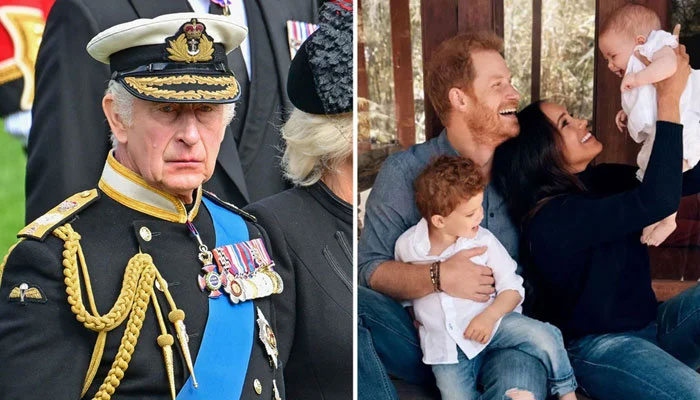
In recent days, online discussion forums, commentary channels, and international media outlets have once again turned their focus toward the line of succession—specifically concerning Prince Harry and Meghan Markle’s two young children, Prince Archie of Sussex and Princess Lilibet of Sussex. Questions surrounding royal titles, succession rights, and the internal decisions made behind palace gates continue to spark heated debates among royal commentators, legal experts, and everyday observers on both sides of the Atlantic.
To fully understand why these topics resonate so deeply with an American audience—particularly those who have followed the royal narrative over several decades—it is essential to unpack the historical context, the legal realities of the royal succession, and the broader media dynamics at play.
The Historical Context of the Royal Line of Succession
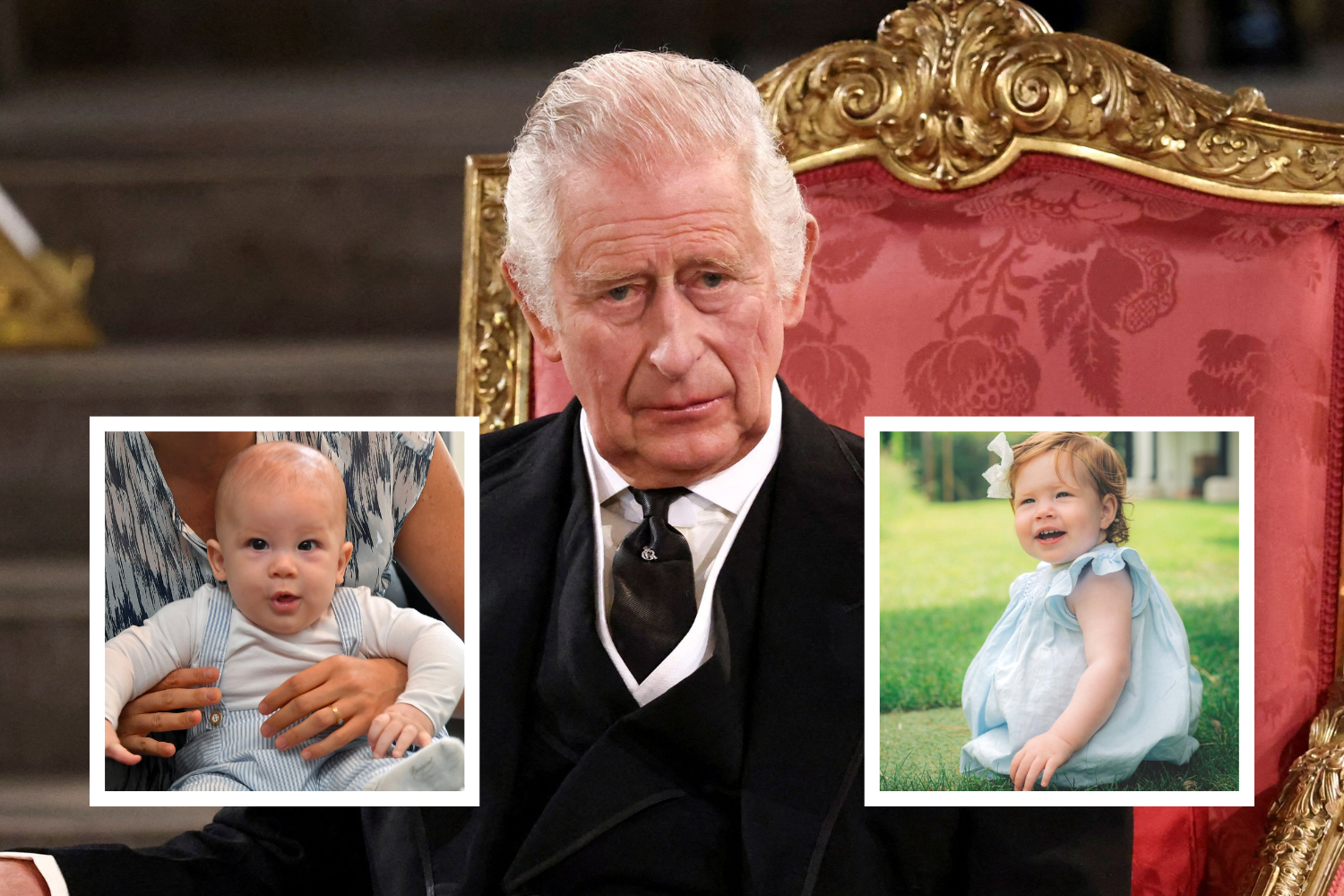
To understand the current discourse surrounding Archie and Lilibet, one must first look at how the British line of succession actually operates. Unlike political positions or corporate appointments, succession to the British throne is governed by both ancient constitutional laws and formal parliamentary legislation.
Historically, the rules governing who sits on the throne were strict and rigid. For centuries, male-preference primogeniture meant that younger brothers would jump ahead of their older sisters in the line of succession. It was not until the Succession to the Crown Act of 2013 that this rule was officially modernized, ensuring that birth order, regardless of gender, dictates a royal child’s place in line.
Under current British legal protocol, the line of succession is currently led by William, Prince of Wales, followed by his three children: Prince George, Princess Charlotte, and Prince Louis. Prince Harry remains fifth in line to the throne, followed directly by his children, Prince Archie (sixth) and Princess Lilibet (seventh).

Despite frequent internet rumors and sensationalized headlines claiming that changes to this order can occur secretly behind closed doors, the legal reality is vastly different. Altering the royal line of succession is not simply a matter of a royal decree or an internal palace decision. Any formal change to the succession would require an Act of Parliament in the United Kingdom, alongside approval from the realms of the Commonwealth where King Charles III serves as head of state.
Why the Headlines Generate Such Strong Reactions
If the legal process for altering succession is so strictly defined, why do stories regarding “secret palace orders” or “sudden removals” gain such tremendous traction on social media?
The answer lies in the deep emotional investment that the public has in the Sussex family saga. Since Prince Harry and Meghan Markle stepped back from their roles as senior working royals in early 2020—a move informally dubbed “Megxit” by the press—every development involving the couple has been viewed through a lens of conflict and division.
For an American audience, particularly individuals aged 45 to 60 who remember the era of Princess Diana, the narrative around Harry and Meghan carries distinct layers of meaning:
-
Sympathy for Prince Harry’s Journey: Many who watched Prince Harry walk behind his mother’s coffin in 1997 hold a long-standing affection for him. They view his decision to step away from royal duties as a necessary step to protect his wife and children from the intense pressure of the British tabloid press.
-
Respect for Tradition and Duty: On the other hand, many traditional observers view the monarchy as an institution built on duty, silence, and service. From this perspective, public criticisms leveled by the Sussexes in television interviews and memoirs are seen as a departure from traditional royal decorum.
-
The American Identity and the Monarchy: Unlike the UK public, which views the monarchy as a civic and constitutional entity, American audiences often consume royal news as a blend of high drama, cultural commentary, and historical fascination.
When rumors circulate that the children’s positions or titles are under threat, it immediately taps into these deeply held public opinions, causing widespread outrage, debate, and engagement across social media platforms.
The Question of Titles: Archie and Lilibet’s Royal Status
Much of the confusion surrounding Archie and Lilibet’s royal standing stems from the complex rules governing royal titles, which date back over a century.
In 1917, King George V issued a Letters Patent—a formal royal decree—that restricted the titles of “Prince” and “Princess” and the style of “His/Her Royal Highness” (HRH) to the children of the Sovereign, the grandchildren of the Sovereign in the male line, and the eldest living son of the eldest son of the Prince of Wales.
At the time of Archie’s birth in 2019, his great-grandmother, Queen Elizabeth II, was on the throne. Under the 1917 rules, Archie was a great-grandchild of the monarch, not a grandchild in the direct line, and thus was not automatically born a Prince.
However, upon the accession of King Charles III in September 2022, Archie and Lilibet became the grandchildren of the reigning monarch in the male line. As a result, they became legally entitled to use the titles Prince Archie of Sussex and Princess Lilibet of Sussex. In early 2023, the royal family’s official website was updated to reflect these titles, signaling a formal acknowledgment of their status under existing constitutional guidelines.
Despite this official update, public debate continues regarding whether titles should be actively used by family members who reside permanently in the United States and do not carry out official public duties on behalf of the Crown.
The Role of Media and the Digital Landscape
In today’s fast-paced digital ecosystem, royal reporting has expanded far beyond traditional newspapers and television networks. Independent blogs, YouTube commentators, podcasts, and social media creators now play a massive role in shaping how public opinion is formed.
While this expansion gives audiences access to a wider range of commentary, it also introduces significant challenges:
-
Sensationalism vs. Fact: Digital algorithms are designed to reward content that triggers strong emotional responses. Headlines containing high-contrast words like “betrayal,” “shattered,” or “secret order” consistently generate higher click-through rates than balanced, factual reporting.
-
Unverified “Palace Insiders”: Many online reports rely on anonymous sources or unverified “insiders.” While palace leaks do occasionally occur, a vast majority of extreme claims originate from opinion pieces or speculative blogs rather than verified royal correspondents.
-
Echo Chambers: Social media users are often shown content that aligns with their existing biases. Those who support the Sussexes see content framing the Palace as hostile, while those who support the traditional monarchy see content framing Harry and Meghan as disruptive.
Navigating this flood of information requires readers to distinguish between confirmed news releases from royal communications offices and speculative commentary designed primarily for engagement.
Looking Ahead: The Future of the Modern Monarchy
As King Charles III continues his reign, the British Monarchy faces the ongoing challenge of defining its role in the 21st century. His vision of a “streamlined monarchy”—focusing resources and public attention on a smaller core group of working royals—is a direct response to modern economic and political realities.
Where Prince Harry, Meghan Markle, and their children fit into this future remains an evolving story. While they have established a distinct, independent life in California focused on philanthropic endeavors, business ventures, and media production, their formal connection to the British crown remains an undeniable part of their identity.
For American readers following this story, the debate over Archie and Lilibet’s succession rights is about more than just protocol. It is a reflection of broader cultural conversations regarding family dynamics, institutional traditions, modern independence, and public perception.
As official announcements develop, staying informed through reliable, balanced reporting ensures that readers can appreciate the true complexity of royal history as it unfolds in real time.
Key Takeaways for Readers
-
Official Status: Prince Archie and Princess Lilibet remain 6th and 7th in line to the British throne under current UK constitutional law.
-
Legal Requirements: Any change to the official line of succession requires formal legislation through the UK Parliament, not simply an internal palace decision.
-
Media Awareness: Sensationalized headlines regarding secret orders or sudden removals often reflect online commentary rather than verified official actions.
Why the Headlines Generate Such Strong Reactions
If the legal process for altering succession is so strictly defined, why do stories regarding “secret palace orders” or “sudden removals” gain such tremendous traction on social media?
The answer lies in the deep emotional investment that the public has in the Sussex family saga. Since Prince Harry and Meghan Markle stepped back from their roles as senior working royals in early 2020—a move informally dubbed “Megxit” by the press—every development involving the couple has been viewed through a lens of conflict and division.
For an American audience, particularly individuals aged 45 to 60 who remember the era of Princess Diana, the narrative around Harry and Meghan carries distinct layers of meaning:
-
Sympathy for Prince Harry’s Journey: Many who watched Prince Harry walk behind his mother’s coffin in 1997 hold a long-standing affection for him. They view his decision to step away from royal duties as a necessary step to protect his wife and children from the intense pressure of the British tabloid press.
-
Respect for Tradition and Duty: On the other hand, many traditional observers view the monarchy as an institution built on duty, silence, and service. From this perspective, public criticisms leveled by the Sussexes in television interviews and memoirs are seen as a departure from traditional royal decorum.
-
The American Identity and the Monarchy: Unlike the UK public, which views the monarchy as a civic and constitutional entity, American audiences often consume royal news as a blend of high drama, cultural commentary, and historical fascination.
When rumors circulate that the children’s positions or titles are under threat, it immediately taps into these deeply held public opinions, causing widespread outrage, debate, and engagement across social media platforms.
The Question of Titles: Archie and Lilibet’s Royal Status
Much of the confusion surrounding Archie and Lilibet’s royal standing stems from the complex rules governing royal titles, which date back over a century.
In 1917, King George V issued a Letters Patent—a formal royal decree—that restricted the titles of “Prince” and “Princess” and the style of “His/Her Royal Highness” (HRH) to the children of the Sovereign, the grandchildren of the Sovereign in the male line, and the eldest living son of the eldest son of the Prince of Wales.
At the time of Archie’s birth in 2019, his great-grandmother, Queen Elizabeth II, was on the throne. Under the 1917 rules, Archie was a great-grandchild of the monarch, not a grandchild in the direct line, and thus was not automatically born a Prince.
However, upon the accession of King Charles III in September 2022, Archie and Lilibet became the grandchildren of the reigning monarch in the male line. As a result, they became legally entitled to use the titles Prince Archie of Sussex and Princess Lilibet of Sussex. In early 2023, the royal family’s official website was updated to reflect these titles, signaling a formal acknowledgment of their status under existing constitutional guidelines.
Despite this official update, public debate continues regarding whether titles should be actively used by family members who reside permanently in the United States and do not carry out official public duties on behalf of the Crown.
The Role of Media and the Digital Landscape
In today’s fast-paced digital ecosystem, royal reporting has expanded far beyond traditional newspapers and television networks. Independent blogs, YouTube commentators, podcasts, and social media creators now play a massive role in shaping how public opinion is formed.
While this expansion gives audiences access to a wider range of commentary, it also introduces significant challenges:
-
Sensationalism vs. Fact: Digital algorithms are designed to reward content that triggers strong emotional responses. Headlines containing high-contrast words like “betrayal,” “shattered,” or “secret order” consistently generate higher click-through rates than balanced, factual reporting.
-
Unverified “Palace Insiders”: Many online reports rely on anonymous sources or unverified “insiders.” While palace leaks do occasionally occur, a vast majority of extreme claims originate from opinion pieces or speculative blogs rather than verified royal correspondents.
-
Echo Chambers: Social media users are often shown content that aligns with their existing biases. Those who support the Sussexes see content framing the Palace as hostile, while those who support the traditional monarchy see content framing Harry and Meghan as disruptive.
Navigating this flood of information requires readers to distinguish between confirmed news releases from royal communications offices and speculative commentary designed primarily for engagement.
Looking Ahead: The Future of the Modern Monarchy
As King Charles III continues his reign, the British Monarchy faces the ongoing challenge of defining its role in the 21st century. His vision of a “streamlined monarchy”—focusing resources and public attention on a smaller core group of working royals—is a direct response to modern economic and political realities.
Where Prince Harry, Meghan Markle, and their children fit into this future remains an evolving story. While they have established a distinct, independent life in California focused on philanthropic endeavors, business ventures, and media production, their formal connection to the British crown remains an undeniable part of their identity.
For American readers following this story, the debate over Archie and Lilibet’s succession rights is about more than just protocol. It is a reflection of broader cultural conversations regarding family dynamics, institutional traditions, modern independence, and public perception.
As official announcements develop, staying informed through reliable, balanced reporting ensures that readers can appreciate the true complexity of royal history as it unfolds in real time.
Key Takeaways for Readers
-
Official Status: Prince Archie and Princess Lilibet remain 6th and 7th in line to the British throne under current UK constitutional law.
-
Legal Requirements: Any change to the official line of succession requires formal legislation through the UK Parliament, not simply an internal palace decision.
-
Media Awareness: Sensationalized headlines regarding secret orders or sudden removals often reflect online commentary rather than verified official actions.
-