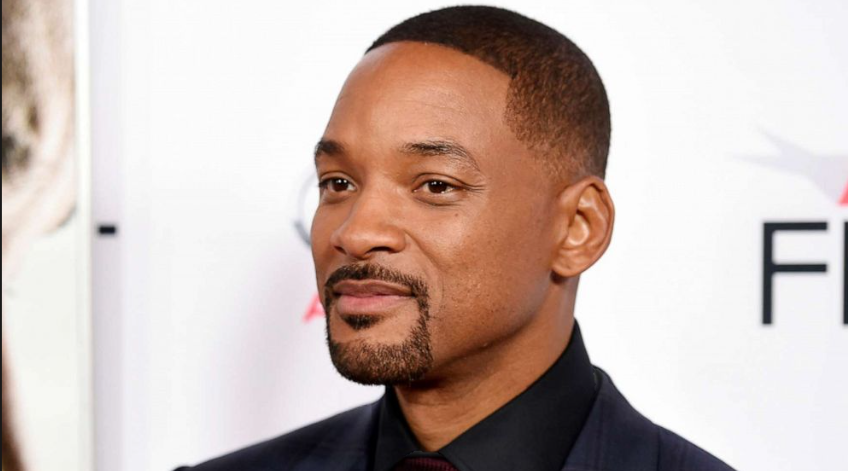
For decades, Will Smith was considered almost untouchable in Hollywood. He was the rare superstar who seemed capable of doing everything successfully. He conquered television with The Fresh Prince of Bel-Air, dominated the music charts with infectious party anthems, and evolved into one of the most bankable movie stars on Earth through blockbuster franchises like Men in Black, Independence Day, and Bad Boys. For years, Smith represented charisma, optimism, humor, and commercial perfection. Audiences loved him because he always seemed effortlessly likable.
But celebrity reputations are fragile in the age of viral moments. One mistake — especially one broadcast live to millions — can rewrite decades of public goodwill overnight. That is exactly what happened during the 2022 Academy Awards when Smith walked onto the stage and slapped comedian Chris Rock after a joke about Jada Pinkett Smith. In less than a minute, one of Hollywood’s safest and most beloved stars transformed into one of its most controversial figures.
Years later, the fallout from that moment still hangs heavily over Will Smith’s career, public image, and even his family. Now, a bizarre new controversy involving allegedly AI-generated crowd footage from his comeback music tour has reignited conversations about his dramatic fall from grace. What should have been a triumphant return to entertainment instead became another internet spectacle filled with mockery, accusations, and uncomfortable questions about authenticity, desperation, and celebrity decline.
The controversy began after footage appeared online promoting Smith’s European tour and new album, Based On A True Story. On the surface, the clips looked like standard concert promotional material celebrating enthusiastic fans and emotional moments during performances. But viewers quickly noticed something strange. Signs in the crowd contained misspelled phrases like “FR6SH CRINCE.” Hands appeared malformed with six fingers. Faces looked blurred or distorted. Background details shifted unnaturally from frame to frame.
Almost immediately, accusations spread online claiming the footage had been artificially generated using AI rather than filmed authentically at live events. The internet reacted ruthlessly. Critics accused Smith of manufacturing fake fan enthusiasm to create the illusion of overwhelming support during his comeback attempt. Memes exploded across social media mocking the strange visuals and questioning why a star of Smith’s stature would allegedly rely on such tactics.
The reaction was particularly brutal because it collided with an already existing narrative surrounding Smith: the perception that he is desperately trying to restore the reputation he lost after the Oscars incident. Before the slap, Smith occupied a nearly unique place in entertainment culture. He was not merely successful; he was broadly trusted and admired across generations. Parents liked him. Studios trusted him. Audiences viewed him as approachable and positive. That image shattered publicly in seconds.
The Oscars slap was shocking not only because of the physical act itself, but because it contradicted everything audiences believed about Will Smith. Viewers were accustomed to seeing him as controlled, charming, and emotionally intelligent. Watching him storm the stage angrily while screaming profanity created a profound sense of disorientation. It felt less like a celebrity scandal and more like watching a carefully constructed public identity collapse live on television.
The fallout was immediate and severe. Smith was banned from attending the Academy Awards for ten years. Film projects stalled or disappeared entirely. Netflix projects reportedly paused development. Studios suddenly viewed him as risky rather than reliable. In Hollywood, reputation is currency, and Smith’s public image had suffered catastrophic damage.
What made the situation even worse was that the slap did not occur in isolation. For years before the incident, public fascination with Smith’s marriage to Jada Pinkett Smith had already created growing discomfort around the family’s public image. Their deeply personal discussions about infidelity, separation, open relationships, and emotional struggles had increasingly become internet spectacle.
Much of that exposure centered around Jada’s talk show, Red Table Talk, where intimate family conversations frequently unfolded publicly. In 2020, millions watched an especially uncomfortable episode in which Jada discussed her “entanglement” with singer August Alsina while Will sat beside her visibly emotional. The interview became one of the internet’s most dissected celebrity moments, generating endless memes and debates about masculinity, marriage, and humiliation.
Many viewers began seeing Will Smith less as the confident superstar he once appeared to be and more as a tragic public figure trapped inside a deeply unconventional and emotionally exposed relationship dynamic. By the time the Oscars incident occurred, years of internet jokes and speculation had already eroded parts of his carefully maintained image.
The slap therefore became symbolic of something larger than a single emotional outburst. To many observers, it looked like the breaking point of years of bottled humiliation, public scrutiny, and personal instability finally exploding in front of the world. Whether fair or not, audiences increasingly interpreted Smith through that lens afterward.
Now, the AI crowd footage controversy seems to reinforce perceptions that Smith is struggling desperately to reclaim cultural relevance. The idea that a globally famous entertainer might allegedly use fake audience visuals to exaggerate support feels painfully symbolic of celebrity insecurity in the social media era. Authenticity has become one of the most valuable currencies online, and audiences react aggressively when they feel manipulated.
The mockery surrounding the footage has been relentless precisely because of how avoidable it appears. Viewers questioned why a celebrity worth hundreds of millions would risk embarrassment over promotional material that could have been created using real fan footage instead. The bizarre visual errors — distorted fingers, blurred faces, misspelled banners — only intensified the ridicule because they reflected the obvious flaws often associated with rushed AI-generated content.
Some fans expressed disappointment rather than anger. Others responded with outright cruelty. Comments calling Smith “pathetic” or urging him to “enjoy retirement” reflect how dramatically public sentiment has shifted since his peak years. Once celebrated almost universally, Smith now often becomes the target of online cynicism and skepticism.
Part of this harshness stems from how completely audiences once embraced him. Public disappointment tends to hit hardest when expectations were originally extremely high. Will Smith was not viewed merely as talented; he was viewed as genuinely good-hearted and emotionally intelligent. When that image cracked, the backlash carried unusual emotional intensity.
At the same time, Smith himself has attempted to frame his post-Oscars journey as one of rebuilding and personal transformation. During interviews promoting his new music, he referenced the Japanese art of kintsugi — repairing broken pottery with gold to create something stronger and more beautiful. He even coined the word “brutaful” to describe the mixture of pain and growth he claims to have experienced over recent years.
While some fans appreciated the vulnerability, others viewed the language as overly self-important or disconnected from reality. Critics argued that comparing his public relations crisis to philosophical artistic restoration felt tone-deaf given the simplicity of the original issue: he physically assaulted a comedian during a live awards ceremony.
This disconnect between Smith’s self-perception and public perception has become central to his attempted comeback. He appears to view himself as someone who made a painful human mistake and is now rebuilding thoughtfully. Much of the public, however, still sees unresolved ego, performative vulnerability, or carefully managed image rehabilitation.
The struggles within the broader Smith family have also contributed heavily to public fascination. Daughter Willow Smith has spoken openly about anxiety, panic attacks, and emotional struggles connected to childhood fame. Her recent emotional social media posts sparked concern and criticism online, with many commentators describing the family as chaotic or emotionally unstable.
In one revealing interview, Willow discussed having severe anxiety attacks as a child performer while adults dismissed her distress as simple misbehavior or entitlement. Her comments highlighted the darker side of celebrity parenting and early fame. While audiences once admired the Smith family as a glamorous Hollywood success story, more recent interviews have exposed emotional costs hidden beneath that image.
Similarly, Jaden Smith has often become a polarizing figure due to eccentric interviews, philosophical social media posts, and unusual public behavior. Although he has pursued philanthropic projects like providing food for homeless communities, internet culture frequently treats him more as a meme than a serious public figure.
Will Smith himself has openly reflected on the pressures he placed on his children during the peak of his career ambitions. In interviews, he admitted becoming obsessed with building the “perfect” Hollywood family brand — one where everyone succeeded artistically and publicly. Projects like The Karate Kid and Willow’s music career initially seemed to fulfill that vision perfectly.
But Smith later acknowledged that success and money did not create happiness within the family dynamic the way he expected. He described “driving the people around me” so intensely that he left “scorched earth” emotionally. These admissions have reshaped how many people interpret the Smith family’s public struggles. What once appeared glamorous increasingly looks emotionally exhausting and psychologically complicated.
The collapse of the Smith family foundation further symbolized this broader unraveling. Reports that charitable revenue dropped dramatically after the Oscars incident reinforced the idea that Smith’s reputation damage extended beyond entertainment into public trust itself. Celebrity influence depends heavily on perception, and once audiences lose emotional connection to a star, every associated project often suffers too.
Jada Pinkett Smith’s revelations in her memoir Worthy added even more complexity to the public narrative. Her confirmation that she and Will had secretly been separated for years shocked many fans who still believed they were functioning publicly as a conventional married couple. Instead, audiences discovered a far more fragmented reality hidden beneath years of carefully managed appearances.
Critics argued that the endless public airing of personal struggles damaged the family’s credibility and emotional stability. Others defended their openness as honesty rarely seen among celebrities. Regardless, the cumulative effect created an image of a family constantly processing private pain in public view.
This context makes the alleged AI-generated crowd footage controversy feel especially symbolic. It is not merely about fake concert visuals. It represents broader public suspicion toward celebrity authenticity itself. People increasingly question whether anything surrounding the Smith family is genuine anymore or whether every emotional confession, comeback attempt, or promotional campaign is ultimately another form of image management.
The irony, of course, is that Will Smith genuinely remains enormously talented. His charisma, acting ability, musical instincts, and cultural impact are undeniable. Few entertainers in history have dominated music, television, and blockbuster cinema simultaneously the way he did. Even critics of his recent behavior often acknowledge his immense contributions to entertainment culture.
Yet talent alone does not guarantee public forgiveness. Modern celebrity culture increasingly revolves around emotional trust and perceived authenticity. Once audiences feel emotionally betrayed by a public figure, rebuilding that relationship becomes extraordinarily difficult.
There is also a generational shift occurring in how celebrity redemption works. Previous eras often allowed stars to disappear temporarily before returning quietly. Today, social media preserves controversy permanently. Viral moments become cultural scars that follow celebrities indefinitely through memes, clips, and endless online commentary.
For Smith, this means every comeback attempt becomes filtered through the lens of the Oscars slap and subsequent family drama. New music is not judged purely as music. Concert footage is not viewed neutrally. Interviews are dissected for psychological subtext. Even philosophical metaphors about rebuilding are interpreted skeptically.
Still, despite the mockery and controversy, Smith continues trying to reconnect with audiences. His willingness to tour smaller venues, release personal music, and speak openly about mistakes suggests someone genuinely searching for relevance and emotional reconciliation after public collapse.
Whether audiences ultimately allow that redemption remains uncertain. Celebrity culture can be strangely unforgiving, especially toward figures who once seemed almost universally admired. The higher the pedestal, the harder the fall often becomes.
In many ways, Will Smith’s current situation reflects the brutal nature of modern fame itself. A man once considered one of the safest bets in entertainment now faces relentless internet ridicule over distorted AI fingers in concert footage. A superstar who commanded tens of millions per film now performs under the shadow of public embarrassment and fractured public trust.
Yet beneath the memes and mockery lies something more complicated: the story of a deeply famous man confronting the collapse of the identity he spent decades building. The Fresh Prince persona — funny, lovable, cool, confident — no longer fits comfortably after years of public emotional chaos. The challenge now is figuring out who Will Smith becomes without it.
And perhaps that is why the alleged fake crowd footage struck such a nerve online. People were not simply laughing at AI mistakes. They were reacting to what the footage symbolized: a celebrity still trying desperately to convince the world — and maybe himself — that the applause is real.