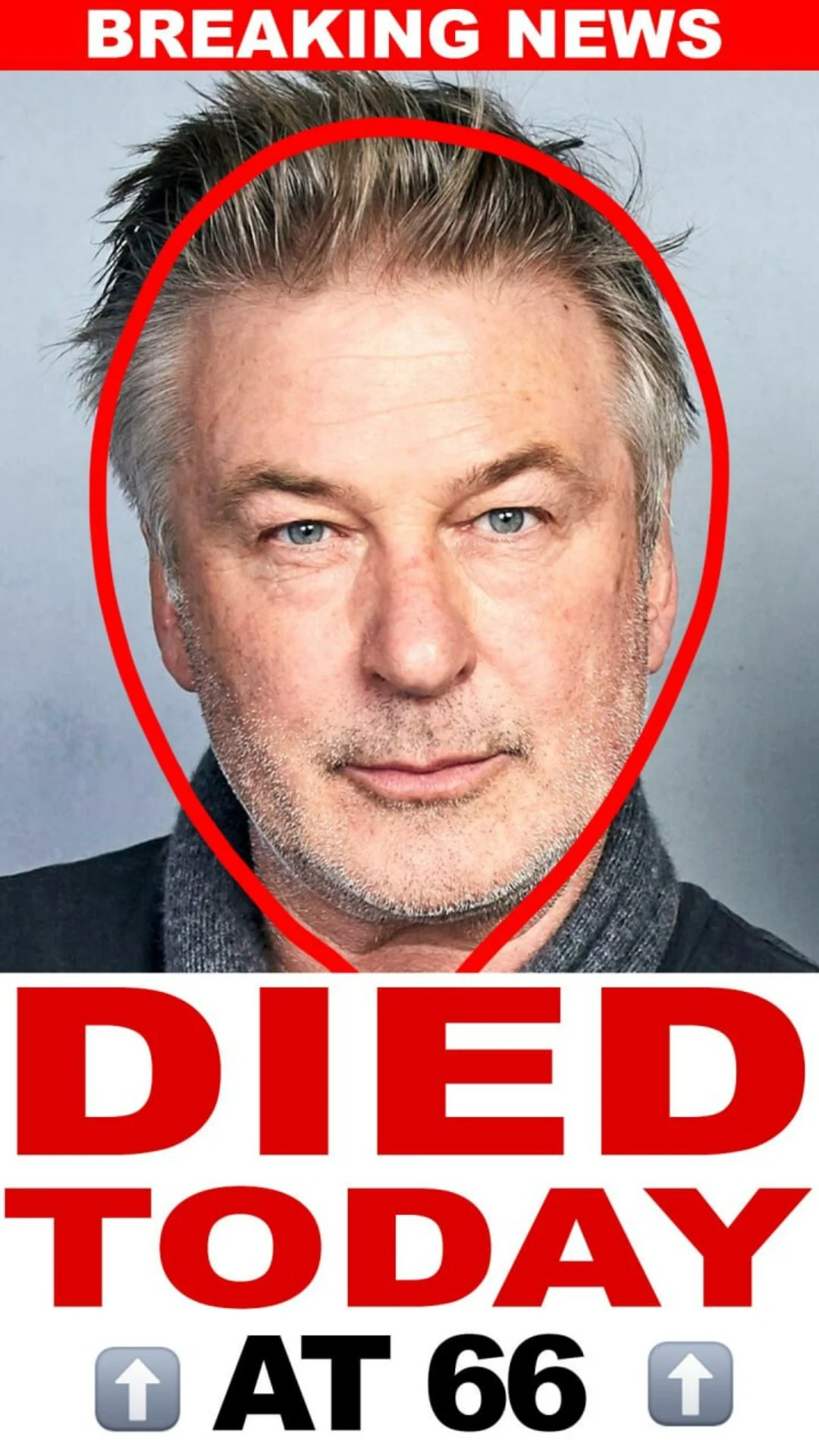
DEVASTATING ROLE IN THE ‘RUST’ INCIDENT: A TRAGEDY THAT SHOOK HOLLYWOOD
The film industry has long been associated with creativity, storytelling, and moments that captivate audiences around the world, but every so often, reality intrudes in a way that leaves an entire industry shaken. One such moment occurred during the production of the Western film “Rust,” when a tragic on-set incident transformed what should have been a routine day of rehearsals into one of the most devastating events in modern filmmaking history. The accident not only claimed the life of cinematographer Halyna Hutchins but also left director Joel Souza injured and sparked a wave of legal, emotional, and ethical consequences that continue to ripple through Hollywood and beyond.
The incident took place at a ranch in New Mexico, where cast and crew had gathered to film scenes for the independent production. As part of the rehearsal process, Alec Baldwin, who was both the lead actor and a producer on the film, was handling what he believed to be a safe prop firearm. Such props are commonly used in film production, and strict safety protocols are meant to ensure that they pose no real danger. However, on that day, something went tragically wrong. When the weapon was discharged, it fired a live round, striking Halyna Hutchins and wounding Joel Souza. The shock of the moment was immediate and overwhelming, as those present struggled to comprehend what had just happened.
Halyna Hutchins, widely respected in the industry for her talent and dedication, was quickly transported to a nearby hospital but later succumbed to her injuries. Her death sent shockwaves through the film community, as colleagues, friends, and fans mourned the loss of a rising cinematographer whose work had already begun to leave a lasting impression. Joel Souza, though injured, survived the incident, but the trauma of the event would remain with him and others who witnessed the tragedy.
In the days that followed, attention turned to how such an incident could have occurred in an environment where safety is supposed to be paramount. Film sets involving firearms are governed by detailed protocols designed to prevent exactly this kind of accident. These protocols typically include multiple layers of verification, including checks by armorers, assistant directors, and actors themselves. The presence of a live round in a prop gun represented a catastrophic failure of these safeguards, prompting intense scrutiny from investigators and industry professionals alike.
As the investigation unfolded, questions began to emerge about the handling of weapons on set and whether proper procedures had been followed. The role of the film’s armorer, Hannah Gutierrez-Reed, became a central focus, as she was responsible for maintaining and securing all firearms used during production. Investigators examined how the weapons were stored, loaded, and distributed, seeking to determine how a live round could have made its way into a prop gun. These inquiries were not only about assigning responsibility but also about understanding the systemic issues that may have contributed to the tragedy.
For Alec Baldwin, the incident marked a turning point that would affect both his personal and professional life. Known for a long and successful career in film and television, Baldwin suddenly found himself at the center of a legal and emotional storm. He expressed deep sorrow over the incident, emphasizing that he had believed the gun to be safe and that he had no intention of causing harm. Despite these statements, the legal system moved forward with charges of involuntary manslaughter, placing Baldwin in a position where he would have to defend his actions in court.
The legal proceedings surrounding the case have been complex and closely followed. Involuntary manslaughter charges require prosecutors to demonstrate that an individual’s actions were negligent to the point of causing death. In this context, the case raises difficult questions about responsibility on a film set, where multiple individuals share roles in ensuring safety. Determining who bears ultimate responsibility involves examining not only individual actions but also the broader structure of decision-making and oversight.
Beyond the courtroom, the incident has had a profound impact on the film industry as a whole. Productions around the world began reevaluating their safety protocols, particularly those involving firearms. Some filmmakers and studios made the decision to eliminate the use of real weapons entirely, opting instead for digital effects or non-functional props. These changes reflect a growing recognition that the risks associated with traditional practices may no longer be acceptable in an industry that has the tools to create realistic effects without compromising safety.
The emotional toll of the tragedy cannot be overstated. For those who worked with Halyna Hutchins, her loss represents not only the absence of a colleague but also the loss of a creative voice that had much more to offer. Tributes poured in from across the industry, highlighting her professionalism, her artistic vision, and her kindness. Many described her as someone who brought energy and passion to every project, making her death all the more difficult to comprehend.
At the same time, the incident has sparked broader discussions about working conditions on film sets, particularly for smaller, independent productions. Reports have emerged suggesting that there may have been concerns about safety practices prior to the incident, including issues related to training, staffing, and adherence to protocols. These reports have fueled debates about whether cost-cutting measures or production pressures may contribute to unsafe environments.
The role of leadership in ensuring safety has also come under scrutiny. Producers, directors, and department heads all play a part in setting expectations and enforcing standards. When those standards are not upheld, the consequences can be severe. The “Rust” incident has highlighted the importance of clear communication, accountability, and a culture that prioritizes safety above all else.
As the industry continues to process the implications of the tragedy, there is a growing consensus that meaningful change is necessary. This includes not only revising protocols but also fostering an environment where concerns can be raised without fear of retaliation. Empowering crew members to speak up about potential risks is seen as a critical step in preventing future incidents.
The legal and regulatory outcomes of the case are likely to influence how safety is managed in the years to come. If new standards are established or existing ones are strengthened, they may serve as a framework for productions worldwide. The goal is to ensure that what happened on the set of “Rust” is never repeated.
In the end, the tragedy serves as a stark reminder of the responsibilities that come with creative work. Film production, while often seen as glamorous, involves complex logistics and inherent risks. Managing those risks requires vigilance, discipline, and a commitment to protecting everyone involved.
The story of the “Rust” incident is not just about a single moment but about the broader systems that allowed that moment to occur. It is a story of loss, accountability, and the urgent need for change. As the industry moves forward, it carries with it the memory of Halyna Hutchins and the lessons learned from a day that forever altered the course of those involved.
Her legacy, defined by her work and the impact she had on those around her, remains a powerful reminder of why safety, respect, and responsibility must always come first. The hope is that through reflection and reform, the industry can honor that legacy by creating a safer and more accountable environment for all who contribute to the art of filmmaking.
As the investigation into the “Rust” incident continued to unfold, it became increasingly clear that the tragedy was not simply the result of a single mistake but rather a convergence of failures that exposed deeper vulnerabilities within film production systems. Each layer of responsibility—from on-set procedures to oversight structures—came under scrutiny as investigators, legal experts, and industry professionals sought to understand how such a catastrophic breakdown could occur in an environment that is built around precision and control.
One of the most critical aspects being examined is the chain of custody for the firearm used in the incident. In a properly managed set, weapons are handled with extreme caution, with strict protocols dictating who can access them, how they are stored, and how they are checked before use. The presence of a live round suggests that somewhere along this chain, those protocols were not followed or were insufficiently enforced. This realization has led to a broader discussion about whether current industry standards are adequate or whether they require significant revision to address modern production realities.
Testimonies and reports surrounding the incident have painted a picture of a production environment that may have been under pressure, both financially and operationally. Independent film productions often operate with limited budgets, which can lead to compromises in staffing, equipment, and training. While such constraints are not uncommon, they can create conditions where safety measures are less robust than they should be. In the case of “Rust,” these factors have been cited as potential contributors to the breakdown that ultimately led to the tragedy.
The role of the armorer has remained central to these discussions. As the individual responsible for ensuring the safe handling of all firearms on set, the armorer’s duties include inspecting weapons, controlling ammunition, and verifying that all safety procedures are followed. The failure to prevent a live round from being used raises serious questions about how these responsibilities were carried out and whether additional oversight should have been in place. At the same time, it has also prompted reflection on how much responsibility can or should be placed on a single individual within a complex system.
Alec Baldwin’s position as both an actor and a producer adds another dimension to the situation. As an actor, his role was to perform according to the script and direction, relying on others to ensure that the equipment he used was safe. As a producer, however, he held a degree of authority and influence over the production as a whole. This dual role has complicated the legal and ethical considerations surrounding the case, as it raises questions about the extent of his responsibility in overseeing safety practices.
The emotional impact of the incident on Baldwin has been widely discussed, with the actor expressing grief and remorse in the aftermath. For someone in his position, the realization that an action taken during the course of professional work resulted in a loss of life is a burden that carries profound psychological consequences. While legal proceedings focus on determining accountability, the human aspect of the situation remains a critical part of the story.
For the family of Halyna Hutchins, the tragedy represents an irreplaceable loss that extends far beyond the confines of the film industry. Hutchins was not only a talented cinematographer but also a mother, a partner, and a colleague whose life was cut short in an unimaginable way. Her family’s pursuit of justice and accountability has become an important element of the broader narrative, emphasizing the personal stakes involved in what might otherwise be seen as an industry issue.
The incident has also prompted renewed attention to the use of firearms in filmmaking. Historically, the industry has relied on a combination of real weapons, modified props, and strict protocols to create realistic scenes. However, advancements in digital effects have made it possible to achieve similar results without the use of functional firearms. This has led to calls for a shift away from traditional methods in favor of safer alternatives, even if it requires changes in how films are produced.
Some productions have already begun implementing such changes, choosing to rely entirely on visual effects for scenes involving gunfire. While this approach may involve additional costs and technical challenges, it significantly reduces the risk of accidents. The “Rust” incident has accelerated this trend, with many industry professionals advocating for a permanent move away from practices that carry inherent dangers.
The broader cultural implications of the tragedy are also worth considering. Film and television play a significant role in shaping public perceptions and narratives, and the methods used to create these stories often reflect underlying values and priorities. The shift toward safer production practices can be seen as part of a larger movement toward greater accountability and responsibility in creative industries.
At the same time, the incident has sparked debate about how responsibility should be distributed in collaborative environments. Film production involves the coordination of numerous individuals, each with specific roles and expertise. When something goes wrong, determining who is at fault requires a careful examination of how decisions were made and how responsibilities were assigned. This process is often complex and can lead to differing interpretations.
The legal proceedings related to the case are likely to set important precedents for how similar incidents are handled in the future. The outcomes may influence not only individual accountability but also the development of industry standards and regulations. As such, the case is being closely watched by legal experts and industry stakeholders alike.
In addition to legal and procedural considerations, the incident has highlighted the importance of communication on set. Clear and consistent communication is essential for ensuring that all team members are aware of potential risks and understand their responsibilities. Breakdowns in communication can lead to misunderstandings and errors, which in high-risk environments can have serious consequences.
The role of unions and professional organizations has also come into focus. These groups often establish guidelines and advocate for safe working conditions, and their involvement can be critical in driving industry-wide change. In the wake of the “Rust” incident, there have been calls for stronger enforcement of existing guidelines and the development of new standards to address emerging challenges.
As the industry continues to reflect on the lessons of the tragedy, there is a growing recognition that meaningful change requires more than just reactive measures. It involves a proactive approach that anticipates risks, invests in training and resources, and fosters a culture where safety is prioritized at every level. This cultural shift is not something that can be achieved overnight, but it is essential for preventing future incidents.
The story of the “Rust” incident is ultimately one of both loss and transformation. It serves as a reminder of the human cost of systemic failures and the importance of continuous improvement in high-risk environments. While the immediate focus remains on accountability and justice, the long-term impact will likely be measured in the changes that emerge as a result of this tragedy.
For those who continue to work in the film industry, the incident has become a defining moment that will shape practices and attitudes for years to come. It has reinforced the need for vigilance, responsibility, and respect for the risks involved in creative work. By learning from what happened, the industry has an opportunity to honor the memory of Halyna Hutchins and to ensure that her legacy contributes to a safer future.
As the legal, emotional, and professional dimensions of the case continue to evolve, one thing remains clear: the events on the set of “Rust” have left an indelible mark on everyone involved and on the industry as a whole. The challenge now is to translate the lessons learned into meaningful action, ensuring that the pursuit of storytelling never comes at the cost of human life.
As the industry continues to process the long-term impact of the “Rust” tragedy, attention is increasingly turning toward how lessons learned from this incident can be institutionalized in a way that ensures lasting change. While immediate responses often focus on tightening procedures and increasing oversight, the deeper challenge lies in creating systems that are resilient enough to prevent similar failures in the future, even under pressure. This requires not only updated protocols but also a shift in mindset, where safety is treated as a fundamental responsibility rather than a procedural obligation.
One of the emerging themes in discussions about the incident is the importance of redundancy in safety measures. In high-risk environments, relying on a single point of verification can create vulnerabilities, particularly when human error is involved. By introducing multiple layers of checks and balances, productions can reduce the likelihood that a single oversight will lead to catastrophic consequences. This approach, while potentially more time-consuming, reflects a broader understanding that the cost of prevention is far lower than the cost of failure.
Another area of focus is the integration of new technologies into safety practices. Digital tracking systems, enhanced monitoring tools, and real-time verification processes offer opportunities to strengthen oversight and reduce reliance on manual procedures. While technology cannot eliminate all risks, it can serve as an additional safeguard, providing data and transparency that support better decision-making. The challenge lies in implementing these tools in a way that complements human expertise rather than replacing it.
The conversation has also expanded to include the role of education and continuous training in maintaining safety standards. Initial training programs, while essential, may not be sufficient in environments where conditions and technologies are constantly evolving. Ongoing education ensures that crew members remain aware of best practices and are prepared to adapt to new challenges. This commitment to learning is a key component of building a culture that prioritizes safety at every level.
In reflecting on the broader significance of the incident, it becomes clear that its impact extends beyond the film industry. The issues it raises—about accountability, risk management, and the consequences of systemic failure—are relevant to many fields where safety is critical. By examining these themes in the context of filmmaking, the “Rust” tragedy offers insights that can inform practices in other industries as well.
Ultimately, the path forward will depend on the ability of individuals and institutions to translate awareness into action. The memory of what happened serves as a powerful motivator, but lasting change requires sustained effort and commitment. By addressing both the immediate and underlying factors that contributed to the tragedy, the industry has an opportunity to move toward a future where such incidents are far less likely to occur.
In doing so, it not only honors the legacy of those affected but also reinforces the principle that creativity and safety must coexist, ensuring that the art of storytelling can continue without compromising the well-being of those who bring it to life.