A Binghamton man has been charged with attempted murder for allegedly shooting his wife during a domestic dispute.
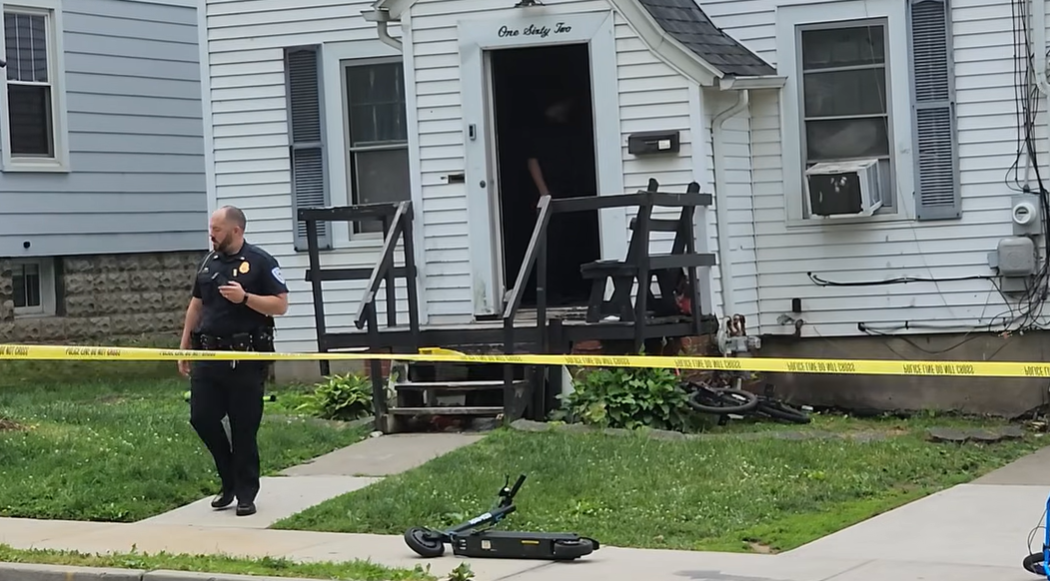
The shooting occurred in a single-family home at 162 Park Avenue around 11:40 a.m. Sunday.
Investigators said they determined 53-year-old Stanley A. Degroat fired a single shot from a handgun at his wife.
The gunshot grazed her hand, causing a minor injury. Degroat fled the scene on an e-bike before police arrived.
The suspect was found a few minutes later by a Broome County sheriff’s deputy at a residence more than a mile away at 465 Park Avenue in the town of Binghamton.
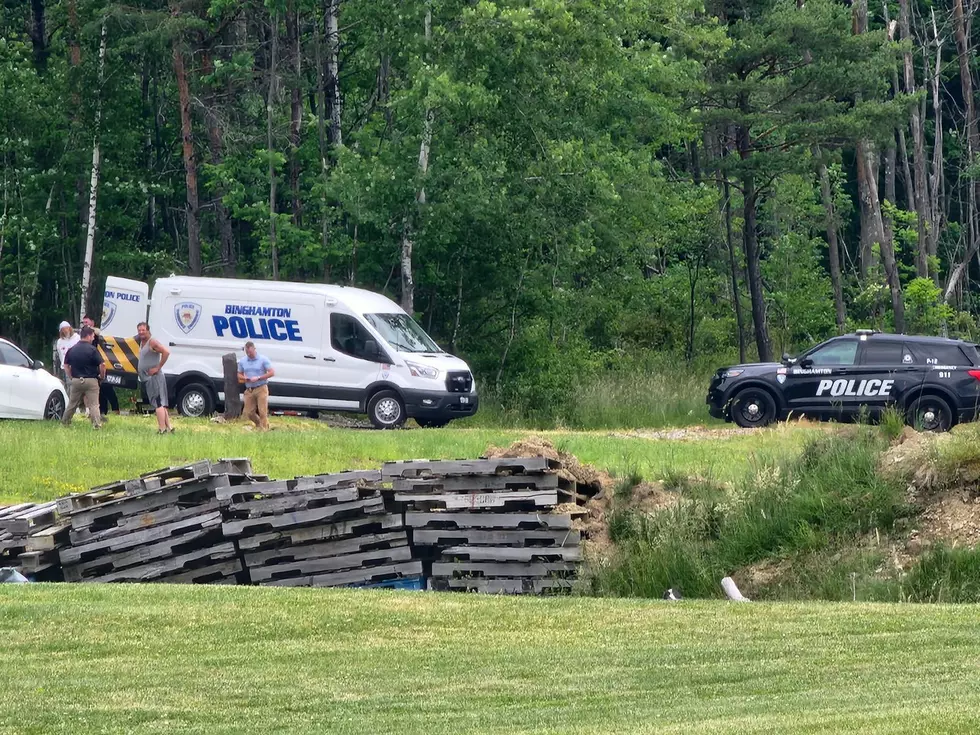
Degroat was taken into custody and taken to Binghamton police headquarters. He has been charged with attempted murder, criminal contempt and weapon-related counts.
Degroat also was charged with four counts of endangering the welfare of a child because children were in the house at the time of the shooting.
He was arraigned and ordered held in Broome County Jail.
A second man faces felony charges as the result of the investigation into the shooting.
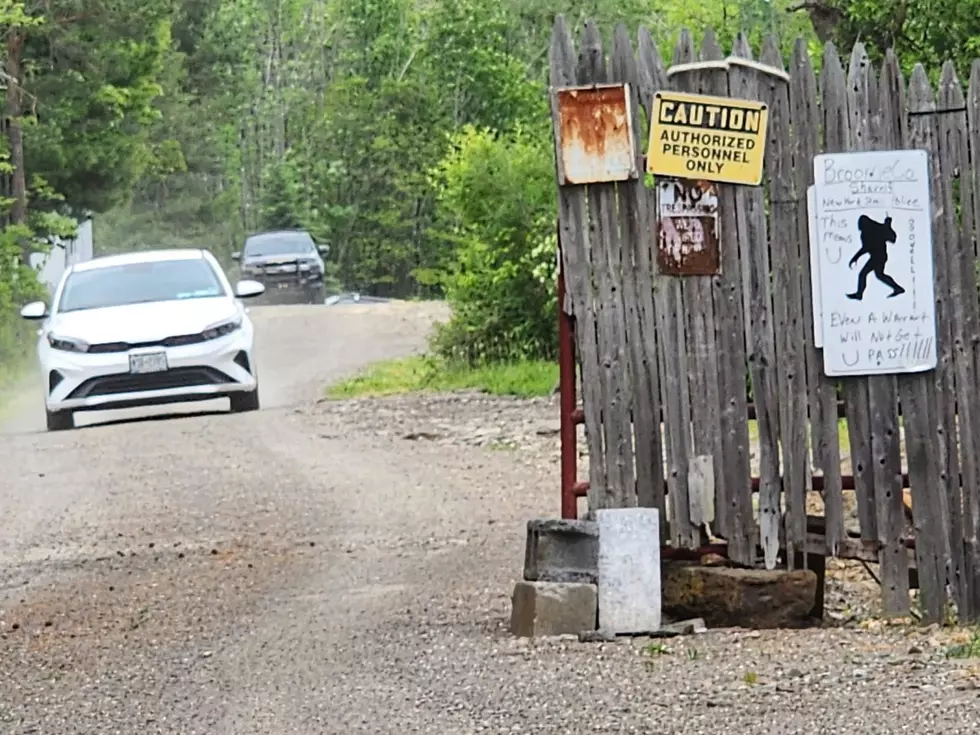
Police said 47-year-old Brett L. White of Park Avenue in the town of Binghamton was taken into custody after a search of his property.
Investigators said they found multiple rifles, shotguns and two illegally possessed handguns on White’s property.
He was charged with two felony counts of criminal possession of a weapon and six misdemeanor counts of criminal possession of a weapon.
A residential neighborhood in Binghamton became the focus of a major police response after officers secured a two-story white home and the surrounding area as part of an active crime scene investigation. Footage from the scene shows the property completely surrounded by yellow police tape, with the barrier stretching across the front yard, the sidewalk, and parts of nearby properties. The tape created a wide secured perimeter, keeping residents, pedestrians, and traffic away from the area while officers worked to preserve the scene and manage the investigation.
The home at the center of the response appeared quiet from the outside, but the large police perimeter made it clear that authorities were treating the location with caution. The yellow tape blocked off access to the front of the house and extended along the sidewalk, preventing anyone from entering the immediate area. In front of the residence, an electric scooter and a blue bicycle could be seen lying on their sides within the secured zone. Both appeared to have been left behind before or during the police response, though it was not immediately clear whether they were connected to the investigation or simply happened to be inside the area that officers chose to block off.
A Binghamton Police Department SUV was parked along the curb near the home, serving as one of the visible signs of the ongoing law enforcement presence. An officer was seen walking along the police tape, checking the perimeter and monitoring the area as the investigation continued. At one point, the officer appeared to communicate over his radio while surveying the scene, suggesting coordination with other officers positioned nearby. His movements were measured and deliberate, reflecting the careful approach often taken at scenes where investigators are working to secure evidence, maintain order, and prevent contamination of the area.
The footage also showed the camera panning across the street, where additional police vehicles were positioned to block the roadway. These vehicles appeared to restrict traffic from entering the area, turning what would normally be a quiet residential street into a controlled zone. The closure likely caused disruptions for neighbors and drivers, but it also allowed officers to work without interference and ensured that the scene remained protected. In investigations of this kind, securing the surrounding area is a key step, especially when police are still determining what happened and what evidence may be present.
Residents in the neighborhood could be seen or heard nearby, though access to the immediate scene was clearly limited. The presence of police tape across multiple parts of the block indicated that authorities were not only focused on the house itself, but also on the area around it. Sidewalks, yards, and the roadway all appeared to be part of the secured perimeter. This type of response often means officers are trying to preserve a broad area while investigators assess the situation, document the scene, and determine whether any items outside the home may be relevant.
The electric scooter and blue bicycle stood out in the footage because they were positioned on the sidewalk near the taped-off property. Their presence added to the sense that the scene had developed suddenly, with everyday objects left behind in the middle of a police response. Neither item appeared to be moved while the footage was being recorded, and officers seemed to be maintaining the perimeter around them. At this stage, there is no confirmation about why the scooter and bicycle were there, who they belonged to, or whether investigators considered them evidence.
The officer visible in the video appeared focused on maintaining control of the perimeter. He walked near the tape, looked across the property, and used his radio while monitoring activity around the house. Police officers at active scenes often have several responsibilities at once, including keeping bystanders back, coordinating with arriving units, and ensuring that no one enters an area that investigators may need to examine. The officer’s presence near the tape suggested that the scene was still active and that access remained restricted.
The roadway closure added another layer to the police response. By placing vehicles across the street, officers were able to prevent cars from passing through the scene or stopping too close to the taped area. This is especially important in residential neighborhoods, where narrow streets, parked cars, and foot traffic can make it difficult to keep a scene secure. Blocking traffic also allows emergency personnel and investigators to move safely between vehicles, the property, and any other areas being examined.
The white two-story home remained the central focus of the scene. From the outside, there were no obvious public details explaining what had happened inside or near the property. The footage did not show investigators entering or leaving the home, and no official statement was visible in the recording. Still, the size of the perimeter and the number of police vehicles suggested that authorities considered the situation serious enough to require a coordinated response.
As the camera moved across the neighborhood, the contrast between the ordinary residential setting and the police activity was striking. A home, a sidewalk, bicycles, scooters, parked vehicles, and nearby properties are all familiar parts of a neighborhood scene. But the addition of police tape, patrol vehicles, and officers communicating over radios changed the atmosphere entirely. What might normally be a calm street became a restricted investigation zone, with law enforcement working to piece together the circumstances that led to the response.
At the time captured in the footage, there was no visible confirmation of arrests, injuries, victims, or suspects. The video only showed the secured perimeter, police vehicles, and officers managing the scene. Because of that, any conclusions about what happened would be premature without official information from authorities. Crime scene investigations can involve many different circumstances, and police often cordon off areas while they gather facts, speak with witnesses, review evidence, and determine whether the public is at risk.
The scene also showed how police manage uncertainty during the early stages of an investigation. When officers first respond to a serious incident, they may not yet know the full scope of what occurred. Their first priority is usually to make sure the area is safe, protect anyone who may be nearby, and secure possible evidence. That often means setting up a perimeter larger than the exact location of interest. In this case, the police tape extended beyond the front yard and sidewalk of the home, suggesting officers wanted to maintain control over a wide section of the area.
For neighbors, the sudden appearance of police tape and blocked roads can be unsettling. Residential streets are places where people expect routine activity, not a heavy law enforcement presence. A scene like this can raise immediate questions: what happened, whether anyone is in danger, how long the road will be closed, and when residents will be able to move freely again. Police typically release information only after they have confirmed key facts, especially if an investigation is active or sensitive. Until then, residents are often left watching from a distance as officers work behind the tape.
The presence of multiple police vehicles suggested that the response involved more than a brief check or routine call. Vehicles positioned along the curb and across the street helped officers create a controlled perimeter. The Binghamton Police Department SUV near the house served as a central visible point in the footage, while other vehicles helped block the surrounding roadway. This setup allowed police to limit movement in and out of the area, which is important for preserving evidence and maintaining safety.
The officer’s radio communication was another sign that the scene involved coordination. Officers at active investigations often communicate with dispatch, supervisors, detectives, and other units on scene. Radio communication can involve updates about perimeter control, requests for additional resources, instructions about traffic, or information gathered during the response. The footage did not capture what was being said, but the officer’s use of the radio showed that the response was ongoing and organized.
The sidewalk area appeared to be especially important because it contained the scooter and bicycle. Both were inside the taped perimeter, and both were left undisturbed in the footage. In an active investigation, officers generally avoid moving items within a secured scene unless necessary, because their position can matter. Even ordinary objects can help investigators understand the timing, movement, or sequence of events. However, without official confirmation, it is not possible to say whether these items had any direct connection to the investigation.
The decision to block nearby traffic also protected the integrity of the scene. Passing cars can disturb evidence, create safety risks, and make it harder for officers to control who enters or exits the area. In a residential neighborhood, people may try to walk closer to see what happened, especially if the scene is near their home. Police tape provides a clear visual warning, but officers and vehicles are often needed to enforce the boundary and redirect people away from the restricted zone.
As the footage continued, the scene remained active but controlled. There were no signs of panic in the video, and officers appeared to be managing the area calmly. The police presence was firm, but the actions visible in the footage were focused on perimeter control, observation, and communication. This kind of calm but serious response is common when police are working to protect a scene while more detailed investigative steps take place out of public view.
The investigation appeared to be centered on the white home, but the perimeter covered a broader area that included the front yard, sidewalk, and neighboring spaces. That wider boundary may have been established because officers needed room to work, because evidence could have been located outside the house, or because they wanted to keep the public at a safe distance. Police do not always explain the exact reason for a perimeter while the investigation is still unfolding, but the size and placement of the tape are often based on what officers believe needs to be preserved.
The neighborhood itself appeared to be temporarily transformed by the police activity. A road that would normally allow local traffic was blocked. A sidewalk that would usually be open to pedestrians was closed off. Everyday objects like a scooter and bicycle became part of a scene that officers were careful not to disturb. For residents, the sight of police tape across familiar property lines can make the situation feel especially serious, even when official details are still limited.
Authorities often ask the public to avoid active scenes like this so officers can work safely and efficiently. Even when people are curious or concerned, entering a taped-off area can interfere with an investigation. Evidence can be accidentally moved, damaged, or contaminated. Witnesses may also need to be interviewed without disruption. By maintaining a perimeter, police create the space needed to document the scene, collect information, and determine the next steps.
The footage did not show any public briefing or statement from police, so the exact nature of the investigation remains unclear based solely on what was visible. There was no confirmed information in the video about what led officers to the house, how long the scene had been active, or whether investigators were searching for a person or processing evidence. What the video did show was a significant police presence and a carefully controlled area around a residential property.
The scene serves as a reminder of how quickly a quiet neighborhood can become the center of a law enforcement investigation. One moment, a residential block may appear completely normal; the next, it may be filled with police vehicles, caution tape, and officers working to secure an area. For those who live nearby, the uncertainty can be difficult. But from the law enforcement perspective, the priority is to control the scene first, then gather accurate information before releasing details publicly.
At active crime scenes, police often work in stages. The first stage is securing the location and making sure there is no immediate danger. The next stage may involve identifying witnesses, documenting the area, collecting potential evidence, and determining whether additional units or detectives are needed. Depending on the situation, investigators may remain on scene for hours. The visible tape and roadblocks are only the outer layer of that process; much of the actual investigative work happens away from the camera.
In this case, the outer layer was very visible. The yellow tape stretched across the property and surrounding areas. Police vehicles blocked the road. An officer moved along the tape line while communicating by radio. The house remained behind the barrier, inaccessible to the public. The scooter and bicycle lay inside the scene, adding unanswered questions to the visual record. Together, these details showed an investigation that was still unfolding.
Because no official details were visible in the footage, it is important not to speculate about the circumstances. The presence of police tape does not, by itself, explain what happened. The presence of a scooter and bicycle does not confirm who was involved. The blocked roadway does not indicate whether the public remains in danger. These are details that only authorities can clarify after they complete the necessary parts of the investigation and decide what information can be released.
For now, the video provides a snapshot of a serious police response in a residential section of Binghamton. It shows a home surrounded by tape, officers controlling access, and police vehicles keeping traffic away from the area. It also captures the quiet tension that often surrounds active investigations: few answers, many visible signs of police activity, and a neighborhood waiting for information.
The investigation appeared methodical, with officers focused on keeping the perimeter secure rather than allowing movement near the home. That approach suggests police were treating the area carefully and wanted to prevent anything from disturbing the scene. In many investigations, the first hours are critical. Decisions made during that time can affect how evidence is preserved and how quickly investigators are able to build a clear timeline.
The scene also highlighted the role of ordinary surroundings in police investigations. A front yard, a sidewalk, a bicycle, and a scooter may seem unremarkable on a normal day. But inside a police perimeter, every object can become part of the broader picture investigators need to understand. Whether these items turn out to be relevant or not, officers appeared to keep the area intact while the investigation continued.
As residents waited behind the tape and traffic was redirected away from the street, the police presence remained the dominant feature of the neighborhood. The visible response showed that authorities were taking the matter seriously and working to maintain control of the area. Until more information is released, the scene remains defined by what could be seen: a white two-story house sealed off from the public, yellow tape stretched across the block, a police SUV at the curb, additional vehicles blocking the road, and an officer moving carefully along the perimeter while communicating over his radio.
The full details of what brought police to the home were not immediately clear from the footage. What is clear is that the area was being treated as an active crime scene and that officers were taking steps to protect the investigation. The secured perimeter, road closure, and continued police activity all pointed to a situation that required careful handling. As the investigation continues, residents and the public will likely be looking to authorities for confirmed updates about what happened, whether there is any ongoing concern for the community, and when the neighborhood can return to normal.
Until those updates are available, the footage stands as a detailed look at the immediate response: a residential street under police control, a home behind yellow tape, and investigators working within a carefully protected area. The scene was calm but serious, controlled but tense, and filled with unanswered questions. For the neighborhood, it was a sudden disruption. For police, it was the beginning of the careful process of determining facts, preserving evidence, and bringing clarity to a situation that, from the outside, remained largely unknown.
The continued police presence also underscored how important patience can be during an active investigation. While neighbors may want immediate answers, investigators must often move slowly to make sure every detail is documented properly. A rushed response can risk overlooking important information, especially in a scene that includes a home, sidewalk, roadway, and personal items left inside the taped area. For the people living nearby, the blocked street and visible police activity may have created concern, but the controlled response showed that officers were working to keep the area stable while they gathered facts. Until officials provide more information, the scene remains a developing situation shaped by caution, procedure, and unanswered questions.