Makeup has long been viewed as more than just a beauty product. For many people, it is a source of confidence, creativity, and self-expression that can completely change how they feel about themselves. Across different cultures and generations, makeup has played an important role in shaping identity and allowing individuals to present themselves in ways that align with how they feel internally. In recent years, professional makeup artists around the world have gained significant attention online for their ability to create dramatic transformations, helping clients feel more comfortable and empowered in their own skin. Social media platforms, in particular, have made it possible for these artists to share their techniques and results with millions of viewers, turning makeup artistry into both a form of entertainment and education.
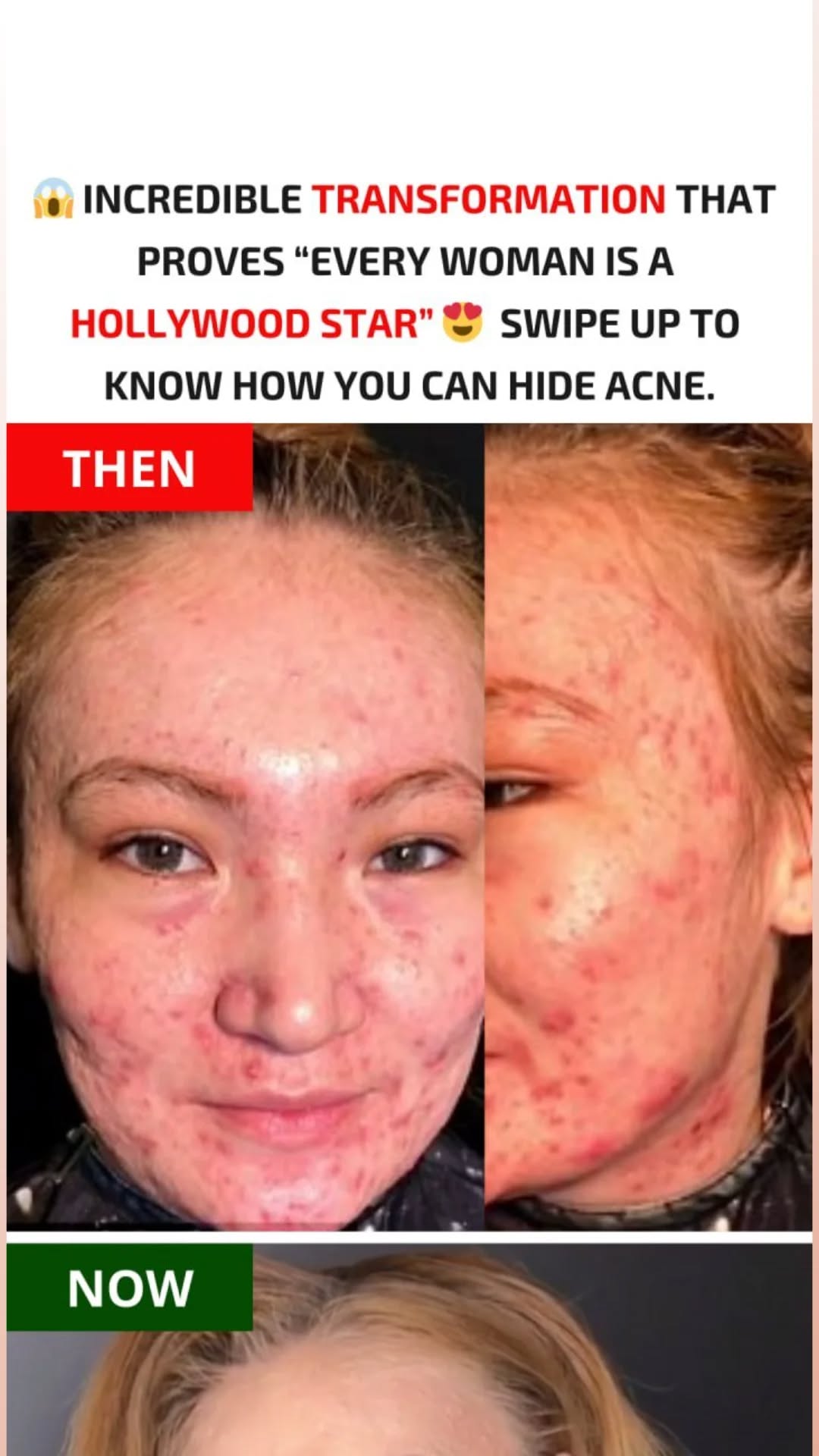
One makeup artist who captured global attention with her remarkable skills is Gohar Avetisyan, whose acne coverage transformation videos have inspired millions across social media platforms. Known for her advanced contouring techniques and full-coverage makeup style, she built a massive following by sharing before-and-after beauty transformations online. Her work stands out not only because of the visible results but also because of the emotional impact it has on the individuals she works with. For many of her clients, the transformation goes far beyond appearance—it represents a moment of relief, acceptance, and renewed self-confidence.
Gohar Avetisyan’s approach to makeup is rooted in both artistry and empathy. She often works with individuals who have struggled with severe skin conditions, scarring, or long-term insecurities. By focusing on these types of transformations, she brings attention to an important topic that is often overlooked: the emotional connection between appearance and self-esteem. Her videos frequently show clients becoming visibly emotional after seeing the final result, highlighting how powerful even temporary changes in appearance can be for someone who has struggled with how they look for a long time.
One of her most talked-about transformations involved a client with severe acne, where the dramatic results sparked widespread discussion about both the power of makeup and the emotional impact beauty routines can have on self-esteem. Acne is one of the most common skin conditions in the world, affecting millions of people across different ages and backgrounds. While some individuals experience mild breakouts, others deal with painful cystic acne, redness, inflammation, and scarring that can significantly affect their daily lives. The visibility of acne, especially on the face, often leads to feelings of self-consciousness, particularly in social or professional environments.
Many people who struggle with severe acne report feelings of anxiety, embarrassment, or low confidence. These emotional effects can sometimes be just as challenging as the physical condition itself. Because of this, makeup tutorials focused on acne coverage have become increasingly popular online, offering practical techniques for creating smoother-looking skin while still maintaining a natural appearance. These tutorials not only teach technical skills but also provide a sense of hope and reassurance to those who feel alone in their struggles.
In her viral transformation video, Gohar carefully explained the process she used to cover severe acne while avoiding harsh or damaging techniques. Rather than applying thick makeup immediately, she began by properly preparing the skin. Skincare preparation is considered one of the most important steps in any makeup routine, especially for textured or acne-prone skin. Clean, moisturized skin allows foundation and concealer to apply more evenly while reducing the appearance of dryness or irritation. Many professional makeup artists emphasize that makeup tends to look much better when the skin underneath is properly hydrated and protected.
The preparation stage also involves selecting products that are suitable for sensitive or acne-prone skin. Using non-comedogenic formulas, which are designed not to clog pores, is essential in preventing further breakouts. Additionally, gentle primers can help create a smoother surface, minimizing the appearance of pores and uneven texture. This step is particularly important for individuals with severe acne, as it allows the makeup to sit more naturally on the skin rather than emphasizing imperfections.
After preparing the skin, Gohar moved on to color correction, a technique that plays a crucial role in achieving even coverage. Redness, which is a common feature of acne, can be neutralized using green-toned correctors. By applying a thin layer of color-correcting product to affected areas, the overall redness is reduced before foundation is applied. This step allows for a more natural-looking finish, as it prevents the need for excessively thick layers of foundation.
The application of foundation is where Gohar’s expertise becomes particularly evident. Instead of using heavy, cakey layers, she builds coverage gradually, using thin layers that are carefully blended into the skin. This technique ensures that the final result looks smooth and natural rather than artificial. The key to successful acne coverage is not necessarily the amount of product used, but how it is applied. By layering strategically and blending thoroughly, it is possible to achieve high coverage while maintaining a realistic skin-like appearance.
Concealer is then used to target specific areas that require additional coverage. This step involves precision and attention to detail, as each blemish or mark is addressed individually. By focusing on smaller areas rather than applying a single thick layer across the entire face, the overall finish remains more refined. Setting the makeup with a light powder helps to lock everything in place while reducing shine, which can sometimes draw attention to textured areas.
What makes Gohar Avetisyan’s transformations particularly impactful is not just the technical skill involved, but the emotional journey that accompanies each makeover. Her videos often show the client’s reaction as they see themselves in the mirror for the first time after the transformation. These moments are often filled with emotion, as individuals who have spent years feeling insecure about their appearance are suddenly able to see themselves in a new light. While the transformation is temporary, the emotional impact can be long-lasting.
At the same time, her work has also sparked important conversations about beauty standards and authenticity. Some critics argue that heavy makeup transformations can create unrealistic expectations, especially when viewed without context. It is important to recognize that makeup is not a permanent solution to skin conditions, nor should it be seen as a requirement for feeling confident. However, many supporters of Gohar’s work emphasize that her goal is not to promote perfection, but to offer individuals a moment of confidence and self-expression.
Makeup, in this context, becomes a tool rather than a necessity. It allows individuals to experiment with their appearance, to feel more comfortable in certain situations, or simply to enjoy the creative process. For some people, wearing makeup is a daily routine, while for others, it is reserved for special occasions. There is no single “correct” way to approach it, and its value lies in how it makes the individual feel.
The rise of transformation videos has also highlighted the importance of inclusivity within the beauty industry. For a long time, mainstream beauty content focused primarily on individuals with clear skin or minimal imperfections. However, creators like Gohar Avetisyan have helped shift that narrative by showcasing a wider range of skin types and conditions. This representation is important because it allows more people to see themselves reflected in beauty content, making it more relatable and accessible.
Beyond the technical aspects, these transformations also serve as a reminder of the importance of compassion and understanding. Skin conditions like acne are often misunderstood, and individuals who experience them may face judgment or unsolicited advice. By bringing attention to these experiences in a respectful and empathetic way, makeup artists can help reduce stigma and encourage more open conversations about skin health and self-image.
Ultimately, the impact of makeup transformations extends beyond the surface. While the visible results are often what attract attention, the deeper significance lies in how they make people feel. Confidence is not something that can be applied like a product, but it can be influenced by how individuals perceive themselves. For some, seeing a smoother complexion in the mirror may provide a temporary boost that helps them feel more comfortable in social situations. For others, it may serve as a reminder that their appearance does not define their worth.
In a world where appearance is often emphasized, it is important to maintain a balanced perspective. Makeup can be a powerful form of self-expression and creativity, but it should not replace self-acceptance. The most meaningful transformations are those that combine external changes with internal growth, allowing individuals to feel confident both with and without makeup.
Gohar Avetisyan’s work, in this sense, represents more than just beauty transformations. It reflects the evolving role of makeup in modern society, where it is increasingly seen as a tool for empowerment rather than a standard to be met. By combining technical skill with emotional awareness, she has created a space where individuals can feel seen, supported, and inspired.
As the beauty industry continues to evolve, the conversation around makeup and self-image will likely continue to grow. The focus is gradually shifting from perfection to authenticity, from hiding imperfections to embracing individuality. Within this context, makeup artists who prioritize both artistry and empathy play an important role in shaping how beauty is perceived.
The story of acne coverage transformations is not just about covering imperfections—it is about understanding the experiences behind them. It is about recognizing that every face has a story, and that beauty is not defined by the absence of flaws, but by the presence of confidence, authenticity, and self-expression.
Beyond the immediate transformation itself, there is another layer to consider—how repeated exposure to these types of videos shapes public perception of beauty and skin. Social media has created an environment where before-and-after visuals are consumed rapidly, often without much reflection. Viewers may scroll past dozens of transformations in a single session, each one reinforcing the idea that change is not only possible, but expected. While this can be inspiring, it can also create subtle pressure, especially for individuals already struggling with their appearance.
For someone dealing with acne or visible skin conditions, watching a dramatic transformation can be both uplifting and complicated. On one hand, it offers hope and practical techniques that may help them feel more confident. On the other hand, it can create a comparison that is difficult to avoid. The “after” image often becomes the focus, while the reality—that the makeup is temporary—is sometimes overlooked. This is why context is so important when discussing these transformations. Understanding that makeup is a tool, not a permanent solution, helps maintain a healthier perspective.
At the same time, the popularity of these videos has encouraged more open conversations about skin health. Dermatologists, skincare experts, and content creators are increasingly using platforms to educate audiences about the causes of acne, treatment options, and realistic expectations. This combination of education and artistry creates a more balanced narrative, where individuals can learn both how to care for their skin and how to enhance their appearance if they choose to.
Gohar Avetisyan’s work fits into this broader shift, even if her focus is primarily on makeup rather than skincare. By working with clients who have severe acne, she indirectly brings attention to the importance of understanding skin conditions rather than ignoring them. Her videos often spark discussions in the comments, where viewers share their own experiences, advice, and support. This sense of community is one of the most valuable aspects of online beauty content. It reminds individuals that they are not alone in their struggles and that others understand what they are going through.
Another important factor is the emotional trust between the makeup artist and the client. Allowing someone to work closely on your face, especially when you feel insecure about your skin, requires a level of vulnerability. The client is not just sitting in a chair—they are placing their confidence in the artist’s hands. This dynamic is evident in Gohar’s videos, where the interaction between artist and client often feels supportive and reassuring. The transformation is not just about the final look, but about the experience of being treated with care and respect throughout the process.
This emotional aspect is something that cannot be replicated by simply following a tutorial at home. While techniques can be learned, the personal connection and reassurance provided by a professional are unique. However, tutorials still play an important role by giving individuals the tools to create similar effects on their own. Even if the results are not identical, the act of learning and applying these techniques can be empowering.
The technical side of acne coverage also continues to evolve. As new products are developed, makeup artists have more options than ever before. Lightweight, high-coverage foundations, breathable concealers, and skin-friendly formulas have made it easier to achieve a polished look without causing additional irritation. These advancements are particularly important for individuals with sensitive or acne-prone skin, as they reduce the risk of worsening the condition.
At the same time, there is growing awareness about the importance of removing makeup properly. Full-coverage looks, while effective, require careful cleansing to prevent clogged pores and further breakouts. Many professionals emphasize the need for a thorough skincare routine at the end of the day, including gentle cleansers, exfoliation when appropriate, and hydration. This balance between makeup and skincare is essential for maintaining overall skin health.
The conversation around makeup and acne also intersects with broader discussions about mental health. Appearance-related concerns can have a significant impact on self-esteem, and addressing these concerns requires both practical and emotional support. Makeup can provide a temporary boost, helping individuals feel more confident in certain situations, but it is not a replacement for deeper self-acceptance. Recognizing this distinction is important in creating a healthier relationship with beauty routines.
In recent years, there has been a noticeable shift toward embracing natural skin, including acne, scars, and texture. Campaigns promoting “skin positivity” encourage individuals to accept their skin as it is, without feeling the need to cover every imperfection. This movement does not reject makeup, but rather reframes it as a choice rather than an obligation. People are encouraged to wear makeup if they enjoy it, but not because they feel pressured to meet a certain standard.
Gohar Avetisyan’s work exists alongside this movement, and while her transformations focus on coverage, they do not necessarily contradict the idea of acceptance. For many individuals, acceptance and enhancement can coexist. Someone may feel comfortable in their natural skin while also enjoying the process of applying makeup for special occasions. The key is having the freedom to choose without feeling judged either way.
Another aspect worth considering is the role of lighting and camera angles in transformation videos. Professional lighting can significantly affect how makeup appears, often making the skin look smoother and more even than it might in natural conditions. While this does not diminish the skill involved, it is an important factor for viewers to keep in mind. Understanding the influence of these elements helps create more realistic expectations.
Despite these considerations, there is no denying the level of skill required to achieve high-quality acne coverage. It involves a deep understanding of color theory, product formulation, and application techniques. It also requires patience and attention to detail, as each area of the face may need a slightly different approach. This combination of technical knowledge and artistic ability is what sets professional makeup artists apart.
The impact of these transformations extends beyond individual viewers. They have influenced trends within the beauty industry, encouraging brands to develop products that cater to a wider range of needs. Inclusive shade ranges, specialized formulas, and innovative tools have become more common as demand grows. This shift benefits not only those with acne but also anyone looking for products that perform well under different conditions.
In addition to product development, these videos have also inspired a new generation of makeup artists. Many aspiring artists learn by watching tutorials and practicing techniques they see online. The accessibility of this content has made it possible for individuals to develop their skills without formal training, leading to a more diverse and creative industry. This democratization of beauty knowledge is one of the most significant changes brought about by social media.
At the heart of all these developments is the idea that beauty is not a fixed concept. It evolves over time, influenced by culture, technology, and individual expression. Makeup transformations, including those focused on acne coverage, are part of this evolution. They reflect changing attitudes toward appearance and the growing recognition that beauty can take many forms.
Ultimately, the story of Gohar Avetisyan and her acne coverage transformations is about more than just makeup. It is about confidence, empathy, and the power of creative expression. It highlights the importance of understanding both the technical and emotional aspects of beauty, and it encourages a more compassionate approach to how we view ourselves and others.
As the conversation continues, it is likely that makeup will remain a central part of how people express themselves and navigate their appearance. Whether used for transformation, enhancement, or simple enjoyment, it will continue to play a role in shaping self-perception and confidence. And within that role, artists who combine skill with understanding will continue to make a meaningful impact, one transformation at a time.
Another important dimension to consider is how these transformations influence long-term self-perception. While the immediate effect of a makeup transformation can be uplifting, the lasting impact often depends on how individuals interpret and internalize the experience. For some, it becomes a reminder that they are capable of looking and feeling confident, reinforcing a positive self-image even when they are not wearing makeup. For others, it can serve as motivation to explore both skincare and makeup as tools for self-care rather than sources of pressure.
This balance between enhancement and acceptance is where the true value of makeup artistry lies. When approached in a healthy way, makeup does not replace confidence—it supports it. It becomes part of a broader routine that includes self-care, personal expression, and emotional well-being. In this context, transformations like those created by Gohar Avetisyan are not just about changing appearances for a moment, but about showing what is possible when skill, creativity, and empathy come together.