Skip to content

Best lifestory

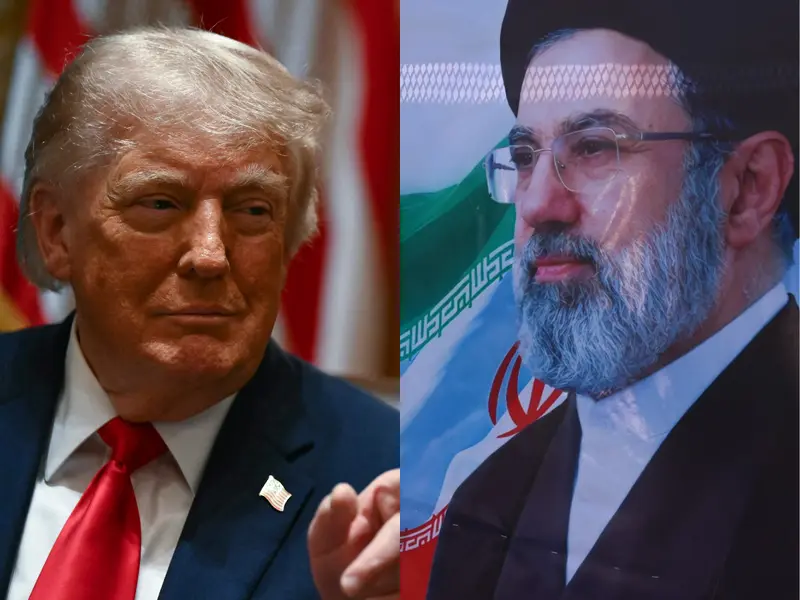
Trump says he’d be ‘honoured’ to meet Mojtaba Khamenei, warns war could restart if Iran kills American troops.

Posted on June 5, 2026 By admin No Comments on Trump says he’d be ‘honoured’ to meet Mojtaba Khamenei, warns war could restart if Iran kills American troops.

The evolving tensions between the United States and Iran have once again captured global attention following recent remarks by former U.S. President Donald Trump, who suggested that diplomatic breakthroughs may be possible while simultaneously warning that any harm to American troops could reignite conflict. Speaking from the Oval Office on June 5, Trump presented a dual message—one that combined openness to dialogue with a firm stance on military retaliation. His comments reflect the delicate and often unpredictable balance between diplomacy and deterrence that has defined U.S.-Iran relations for decades.

At the center of Trump’s remarks was an unexpected statement of willingness to engage in dialogue with Mojtaba Khamenei, a figure widely recognized as an influential individual within Iran’s political and religious structure. While not officially holding the title of Supreme Leader, Mojtaba Khamenei is often viewed as a key figure within Iran’s leadership circles, making any suggestion of direct communication between him and a U.S. president particularly noteworthy. Trump’s comment that he would be “honoured” to meet him signals a potential opening for diplomatic engagement, even as tensions remain high.

However, this openness was immediately contrasted by a strong warning regarding the safety of American forces. Trump made it clear that the killing of U.S. troops would represent a “red line” that could lead to the resumption of military conflict. This statement underscores a long-standing principle in U.S. foreign policy, where the protection of American personnel abroad is considered a top priority. By framing this as a condition that could trigger renewed war, Trump emphasized the seriousness of the situation and the potential consequences of escalation.

The broader context of these remarks lies in the ongoing complexities of U.S.-Iran relations, which have been marked by periods of tension, negotiation, and occasional conflict. Over the years, both nations have engaged in actions and counteractions that have shaped a relationship defined by mutual suspicion and strategic competition. Trump’s comments suggest that while there may be opportunities for progress, the underlying dynamics remain fragile and subject to sudden shifts.

In addition to discussing potential diplomatic engagement, Trump also made bold claims about the current state of Iran’s military capabilities. He stated that Iran’s navy and air force had been effectively neutralized, describing the situation in terms that suggest a significant weakening of Iran’s defensive and offensive capacities. According to his remarks, U.S. actions had targeted key components of Iran’s military infrastructure, including anti-aircraft systems and other critical assets.

These claims, while striking, are likely to be viewed through different lenses depending on the perspective of analysts and observers. Military assessments are often complex and subject to interpretation, with varying reports and analyses offering different conclusions. Nonetheless, such statements contribute to the overall narrative of strength and deterrence that Trump has consistently emphasized in his approach to foreign policy.

Another notable aspect of Trump’s remarks was his assertion that a large number of Iran’s military leadership had been eliminated. He suggested that “almost all” of Iran’s generals had been “wiped out,” a statement that, if taken literally, would represent a dramatic shift in the country’s military structure. However, like many high-level claims made in political contexts, this assertion is likely to be scrutinized and debated, with experts seeking to verify and contextualize the information.

Beyond the specifics of military claims, Trump’s comments also touched on his broader view of his role in global conflict resolution. He suggested that he had played a part in ending multiple wars, positioning himself as a figure capable of bringing about peace through a combination of strength and negotiation. This narrative aligns with his long-standing emphasis on deal-making and his belief in the potential for direct engagement to resolve complex international issues.

The idea that a potential agreement with Iran could represent another such achievement highlights the significance of the current moment. If progress were to be made, it would not only impact U.S.-Iran relations but also have broader implications for regional stability and global security. The Middle East remains a region of strategic importance, and any shift in the relationship between two major actors could influence a wide range of political and economic dynamics.

At the same time, the possibility of renewed conflict remains a central concern. Trump’s warning about the consequences of harm to American troops serves as a reminder that the situation is far from resolved. The presence of U.S. forces in various parts of the region, combined with ongoing tensions, creates an environment where incidents can escalate quickly. Managing these risks requires careful coordination, communication, and a willingness to engage in dialogue even in the face of disagreement.

The potential meeting between Trump and Mojtaba Khamenei, while still hypothetical, represents an intriguing development in this context. Direct communication between high-level figures can play a crucial role in reducing misunderstandings and exploring pathways to de-escalation. However, such meetings also come with challenges, as they require both sides to navigate complex political landscapes and manage expectations both domestically and internationally.

Public reaction to Trump’s remarks has been varied, reflecting the diversity of opinions on how best to approach the situation. Some view his willingness to engage in dialogue as a positive step, emphasizing the importance of communication in resolving conflicts. Others focus on the more confrontational aspects of his statements, expressing concern about the potential for escalation and the impact of strong rhetoric on an already tense situation.

The role of media coverage in shaping these reactions cannot be overlooked. Headlines and summaries often highlight the most dramatic elements of a statement, influencing how it is perceived by the public. In this case, the combination of openness to dialogue and warnings of potential war creates a narrative that is both compelling and complex, prompting discussions about the balance between diplomacy and deterrence.

From a strategic perspective, the dual nature of Trump’s message can be seen as an attempt to maintain leverage while signaling a willingness to negotiate. By emphasizing both strength and openness, he positions himself as a leader who is prepared to engage but not at the expense of national security. This approach reflects a broader philosophy that has been evident in his previous interactions on the global stage.

The implications of these developments extend beyond the immediate context of U.S.-Iran relations. They also highlight broader questions about the nature of modern diplomacy, the role of leadership in shaping international outcomes, and the challenges of managing conflicts in a rapidly changing world. As global dynamics continue to evolve, the ability to balance competing priorities and navigate complex relationships becomes increasingly important.

In the coming weeks and months, attention will likely focus on whether the potential for dialogue translates into concrete action. Diplomatic processes often require time, patience, and a willingness to engage in detailed negotiations. While public statements can set the tone, the real work of diplomacy takes place behind the scenes, where representatives from both sides work to identify common ground and address areas of disagreement.

At the same time, the situation remains dynamic, with the potential for unexpected developments. Regional factors, internal political considerations, and external influences all play a role in shaping outcomes. As a result, predictions about the future of U.S.-Iran relations must be approached with caution, recognizing the many variables involved.

Ultimately, Trump’s remarks highlight both the possibilities and the risks inherent in the current situation. The suggestion that progress may be possible offers a sense of optimism, while the warning about potential conflict serves as a reminder of the stakes involved. Navigating this balance will require careful leadership, strategic thinking, and a commitment to finding solutions that promote stability and security.

As the world watches these developments unfold, the focus remains on the choices that will shape the path forward. Whether through dialogue, deterrence, or a combination of both, the decisions made in this moment have the potential to influence not only the relationship between the United States and Iran but also the broader landscape of international relations.

As the global community continues to analyze Trump’s remarks, one of the most important elements to consider is how statements like these influence not only diplomatic relations but also strategic positioning on a global scale. When a high-profile political figure speaks about potential war and peace in the same breath, it sends layered signals to multiple audiences. On one hand, it communicates strength and readiness to act; on the other, it leaves the door open for negotiation. This dual messaging is often intentional, designed to maintain leverage while avoiding full escalation.

In the case of Iran, this approach becomes even more complex due to the country’s regional influence and its relationships with neighboring states and allied groups. Iran has long played a significant role in Middle Eastern geopolitics, with connections that extend across various political and military networks. Any shift in its relationship with the United States inevitably affects a broader web of alliances and rivalries. Trump’s remarks, therefore, are not just directed at Iranian leadership but are also interpreted by other countries that have a stake in regional stability.

One of the key challenges in this situation is managing perception. In international relations, perception can be just as important as reality. Statements about military capabilities, such as claims regarding the weakening of Iran’s navy or air force, serve not only as descriptions but also as strategic signals. They are meant to project power and deter potential aggression, while also shaping how other nations assess the balance of strength. However, these claims can also lead to increased scrutiny, as analysts and observers attempt to verify their accuracy and understand their implications.

At the same time, Trump’s assertion that he has contributed to ending multiple conflicts introduces another dimension to the discussion. This narrative positions him as a dealmaker capable of achieving outcomes that others have not. Whether or not one agrees with this characterization, it reflects a broader emphasis on negotiation as a tool for resolving disputes. The suggestion that a resolution with Iran could add to this record highlights the significance of the current moment and the potential for a shift in long-standing tensions.

The idea of reaching a “ninth” or even “tenth” resolved conflict also raises questions about how success is defined in international diplomacy. Ending a conflict is rarely a single event; it is often a process that involves agreements, compromises, and ongoing efforts to maintain stability. In the case of U.S.-Iran relations, any progress would likely require careful negotiation on multiple fronts, including security concerns, economic considerations, and political expectations. Achieving such an outcome would represent a complex and multifaceted accomplishment.

Another important factor to consider is the role of internal dynamics within both countries. In the United States, political leadership must navigate domestic expectations, public opinion, and institutional processes. Similarly, in Iran, decisions are influenced by a combination of political, religious, and strategic considerations. The potential involvement of Mojtaba Khamenei adds another layer to this dynamic, as it introduces questions about leadership structures and the pathways through which decisions are made. Any potential meeting would need to account for these internal factors, ensuring that it aligns with broader objectives on both sides.

The possibility of direct engagement between leaders also brings attention to the importance of communication in reducing tensions. Misunderstandings and miscalculations have historically played a role in escalating conflicts, making clear and direct dialogue a valuable tool. While such engagement does not guarantee resolution, it creates an opportunity to address concerns, clarify intentions, and explore areas of common interest. In a situation where mistrust has been a defining feature, even small steps toward communication can have a meaningful impact.

However, the risks associated with this approach cannot be ignored. High-level meetings carry significant expectations, and their outcomes can influence perceptions of success or failure. If a meeting were to take place without leading to tangible progress, it could reinforce existing tensions rather than alleviate them. As a result, careful preparation and realistic expectations are essential components of any potential engagement.

Trump’s warning about the consequences of harm to American troops serves as a stark reminder of the underlying risks in the current situation. The presence of U.S. forces in the region creates a constant potential for incidents that could escalate quickly. In such an environment, even a single event can have far-reaching consequences, making it crucial to establish mechanisms for de-escalation and conflict prevention. This includes not only military protocols but also diplomatic channels that can be used to address issues before they reach a critical point.

The broader regional context also plays a significant role in shaping outcomes. The Middle East is characterized by a complex network of relationships, where actions by one actor can influence the behavior of others. Countries in the region are closely monitoring developments, as changes in U.S.-Iran relations could impact their own strategic positions. This interconnectedness adds another layer of complexity, as any agreement or conflict has the potential to affect multiple parties.

Economic considerations are another important aspect of the situation. Sanctions, trade restrictions, and economic policies have long been part of the strategy used by the United States in its dealings with Iran. These measures are designed to exert pressure while encouraging negotiation, but they also have broader implications for global markets and regional economies. Any progress toward resolution would likely involve discussions about these economic factors, as they are integral to the overall relationship.

Public opinion, both domestically and internationally, also influences the trajectory of events. Leaders must consider how their actions and statements are perceived by their own populations, as well as by the global community. Support for diplomatic engagement or military action can vary widely, shaping the options available to decision-makers. In this context, Trump’s remarks can be seen as an attempt to address multiple audiences simultaneously, balancing messages of strength with signals of openness.

The role of media in shaping these perceptions is significant. Coverage of statements, analysis, and commentary all contribute to how the situation is understood by the public. The framing of Trump’s remarks—whether emphasizing the potential for peace or the threat of renewed conflict—can influence how they are received and interpreted. This underscores the importance of comprehensive and balanced reporting, which provides context and avoids oversimplification.

Looking ahead, the path forward remains uncertain. Diplomatic breakthroughs are often the result of sustained effort and incremental progress, rather than sudden shifts. While Trump’s comments suggest that possibilities exist, turning those possibilities into reality requires careful negotiation and a willingness to engage with complex issues. This process involves not only high-level discussions but also detailed work by diplomats, advisors, and experts who contribute to shaping agreements.

At the same time, the potential for setbacks remains a constant factor. International relations are influenced by a wide range of variables, from political changes to unexpected events. Maintaining momentum in the face of these challenges requires resilience and adaptability, as well as a commitment to long-term goals. The ability to navigate these complexities will be a key determinant of whether progress can be achieved.

Ultimately, the significance of Trump’s remarks lies in their reflection of the current moment—a time when both opportunities and risks are present. The suggestion that a new chapter in U.S.-Iran relations could be possible is balanced by the recognition that tensions remain high and that the consequences of missteps could be severe. This dual reality highlights the importance of thoughtful and strategic decision-making, as well as the need for continued dialogue and cooperation.

As the situation continues to evolve, the focus will remain on the actions taken by both sides and the impact those actions have on the broader international landscape. Whether through direct engagement, strategic positioning, or a combination of approaches, the choices made in the coming period will play a critical role in shaping the future of this relationship. The world will be watching closely, recognizing that the outcome has implications not only for the United States and Iran but for global stability as a whole.

As discussions continue to unfold, it becomes increasingly clear that moments like these are not just about individual statements but about the broader direction of global stability and leadership decisions. The balance between asserting strength and pursuing diplomacy remains one of the most delicate aspects of international relations, especially in regions where tensions have existed for decades. Trump’s remarks, while direct and assertive, also reflect a strategic awareness that long-term outcomes are rarely achieved through force alone, but rather through a combination of pressure, negotiation, and timing. This layered approach suggests that even amid strong rhetoric, there is  r e c o g n i t i o n   o f   t h e  value of dialogue in preventing larger-scale  c o n f l i c t.

At the same time, the uncertainty surrounding the situation continues to keep both analysts and the public on edge. The idea that a single action—such as harm to American personnel—could rapidly shift the trajectory from potential diplomacy back to open conflict highlights how fragile the current state of affairs remains. This fragility underscores the importance of communication channels, both official and unofficial, that can help manage crises before they escalate. It also places a spotlight on leadership decisions, as the tone and direction set by those in power can significantly influence whether situations move toward resolution or confrontation.

In the end, the developments  s u rr o u n d i n g  Trump’s statements serve as a reminder that  i n t e r n a t i o n a l  relations are constantly evolving, shaped by both immediate events and long-term strategies. While the possibility of progress offers a sense of cautious optimism, the presence of clear warnings ensures that the seriousness of the situation is not overlooked. This duality—hope for resolution alongside the risk of escalation—captures the reality of modern  g e o p o l i t i c s , where outcomes are rarely certain and where each decision carries weight far “b e y o n d ” the moment in which it is made.

Uncategorized

Post navigation

Previous Post: BREAKING: TRUMP ANNOUNCES THAT IRAN HAS … See more
Next Post: Louisiana man kills 7 of his children, another child in mass shooting.

Leave a Reply Cancel reply

Your email address will not be published. Required fields are marked *

Recent Posts

  • Family’s Worst Fear Confirmed After Days of Searching — What Investigators Discovered Left the Community Heartbroken
  • Private jet crashes on runway during emergency landing at Dominican Republic airport
  • President Donald Trump Signs New Law Focused on Online Privacy and Digital Safety
  • Why Weight-Gain Transformations Are Changing the Way Women See Beauty and Health
  • Obama Reportedly Furious After Trump’s Latest Decision — Political Tensions Explode as Americans React

Copyright © 2026 Best lifestory.

Powered by PressBook WordPress theme