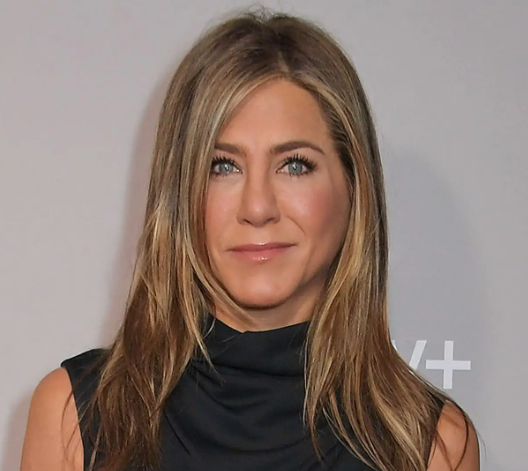
For more than three decades, Jennifer Aniston has remained one of the most recognizable and beloved faces in Hollywood. To millions of fans around the world, she represents warmth, humor, glamour, and emotional familiarity. Her portrayal of Rachel Green in Friends transformed her into a cultural icon, turning her hairstyle, fashion choices, and personal life into global obsessions. She became the kind of celebrity who felt almost universally adored — approachable despite her fame, relatable despite her extraordinary success.
But beneath the polished red carpets, magazine covers, and billion-dollar entertainment career lies a life shaped by heartbreak, insecurity, trauma, anxiety, public scrutiny, and emotional loss. Over the years, Jennifer Aniston has quietly endured deeply painful experiences while the world watched her every move through the unforgiving lens of celebrity culture. From childhood instability and family wounds to failed relationships, fertility struggles, mental health battles, stalker threats, and the devastating loss of close friends, her life has often been far more emotionally complicated than the cheerful image audiences associate with her.
Part of what makes Aniston’s story so compelling is the contrast between perception and reality. To the public, she often seemed to embody the ideal Hollywood life: beautiful, successful, wealthy, charming, and constantly working. Yet behind that image was someone privately carrying insecurities formed long before fame ever arrived.
Jennifer Aniston’s childhood was far from emotionally stable. Though both of her parents worked in entertainment, life at home was not glamorous or comforting in the ways people might imagine. Her father, John Aniston, would later become famous for his role on Days of Our Lives, but during Jennifer’s early years, the family environment felt deeply uncertain and emotionally fragile.
Aniston has spoken candidly about growing up in a household filled with tension and emotional instability. Watching adults behave cruelly toward one another left a lasting psychological impact on her understanding of relationships and safety. Rather than dreaming excitedly about romance and family life, she developed caution and emotional self-protection at an early age.
The pain intensified when her father abruptly left the family during her childhood. For a young child, abandonment often creates emotional wounds that echo for decades, shaping self-worth, trust, and relationship patterns later in life. Aniston has described sitting confused and crying, unable to fully understand why her father suddenly disappeared from her daily life. That kind of emotional rupture becomes foundational for many children, especially when explanations feel incomplete or emotionally unresolved.
Although John Aniston eventually returned and repaired aspects of their relationship over time, the emotional damage from that early instability never fully disappeared. Jennifer herself later acknowledged that watching her parents’ marriage collapse affected how she approached love and commitment as an adult. Rather than growing up idealizing marriage, she internalized fear, caution, and uncertainty about relationships lasting permanently.
Her relationship with her mother, Nancy Dow, was equally painful in different ways. Aniston has openly discussed how her mother frequently criticized her appearance during childhood, comments that deeply affected her self-esteem. While some parents may view appearance-related remarks casually, repeated criticism from a parent often becomes internalized permanently, especially for young girls.
What makes these wounds particularly tragic is that Aniston later recognized her mother was likely repeating patterns she herself experienced growing up. Rather than portraying Nancy Dow as simply cruel, Jennifer tried to understand the generational pain behind the criticism. Still, understanding emotional damage intellectually does not erase its psychological consequences.
The tension between mother and daughter eventually escalated dramatically after Nancy Dow published a tell-all book discussing their strained relationship publicly. The betrayal reportedly caused years of estrangement between them. For Jennifer, who already lived under constant tabloid scrutiny, seeing intimate family pain turned into public material likely felt devastating. Although they eventually reconciled before Dow’s death in 2016, much of their relationship remained marked by emotional distance and unresolved hurt.
These early family experiences profoundly shaped Jennifer Aniston’s emotional life moving forward. They contributed to insecurities surrounding love, intimacy, trust, and belonging that would later become magnified under global public attention.
One of the most misunderstood aspects of Aniston’s life has been her romantic history. For years, tabloids portrayed her primarily through the lens of relationships — particularly her marriage to Brad Pitt. Their romance became one of Hollywood’s most heavily publicized relationships, turning them into the ultimate celebrity power couple during the early 2000s.
When the marriage ended in 2005 amid Pitt’s growing relationship with Angelina Jolie after filming Mr. & Mrs. Smith, the breakup exploded into a media frenzy unlike almost anything modern celebrity culture had previously seen. Aniston suddenly became cast publicly as the abandoned wife, while tabloids obsessively compared her to Jolie for years afterward.
The emotional cruelty of that period cannot be overstated. Jennifer Aniston’s heartbreak became entertainment for millions of people. Every photograph, outfit, facial expression, or public appearance was dissected for evidence of emotional devastation. Magazine covers endlessly speculated about betrayal, pregnancy, revenge, and loneliness. Few celebrities have endured such prolonged tabloid fixation surrounding a divorce.
What made it even more painful was the cultural narrative imposed onto her afterward. Aniston became unfairly framed as the tragic woman who “couldn’t keep a man” or who had somehow “lost” in comparison to Jolie. This sexist framing reduced a successful, intelligent, accomplished actress into a tabloid symbol of romantic failure.
The intense media obsession surrounding her fertility struggles only worsened the emotional pressure. For years, paparazzi photographed her body obsessively, speculating constantly about whether she might be pregnant. Slight changes in clothing, posture, or weight immediately triggered headlines claiming she was expecting a child.
Behind the scenes, however, Aniston was privately enduring fertility struggles and unsuccessful IVF treatments. Her later admissions about trying desperately to conceive while facing relentless media speculation revealed a heartbreaking disconnect between public fantasy and private suffering.
She described “throwing everything at it” in hopes of becoming a mother, pursuing medical treatments and holistic methods while silently carrying the emotional pain of repeated disappointment. Meanwhile, tabloids continued treating her body like public property, analyzing photographs obsessively for imaginary baby bumps.
This combination of grief and public intrusion became emotionally exhausting. Infertility already carries enormous psychological weight for many women. Adding worldwide media scrutiny transforms private pain into a public circus. Aniston later admitted that despite her strength, the constant speculation hurt deeply.
Perhaps most painfully, she eventually came to terms with the realization that motherhood might never happen for her biologically. Her statement that “the ship has sailed” carried enormous emotional honesty because it acknowledged grief many women quietly experience but rarely discuss publicly.
At the same time, Aniston’s reflections also revealed resilience. Rather than remaining trapped entirely in regret, she eventually found peace in releasing the constant pressure and uncertainty surrounding fertility. There was sadness, but also relief in no longer living inside endless cycles of hope and disappointment.
Jennifer Aniston has also battled personal struggles many fans never realized existed, including dyslexia. For years, she reportedly believed she simply was not intelligent because she struggled retaining information academically. Only in her twenties did a diagnosis finally explain why reading and processing information had always been difficult for her.
Undiagnosed learning disorders often damage self-esteem profoundly during childhood because children internalize academic struggles as evidence of personal inadequacy. For Aniston, humor became a survival mechanism. Making people laugh helped compensate emotionally for feelings of insecurity or perceived failure in school.
Ironically, the same charisma and comedic timing developed partly as emotional defense mechanisms later became the foundation of her global success. Her natural warmth, humor, and relatability on-screen may have roots in years spent learning how to emotionally navigate insecurity and social discomfort.
Mental health has also remained an ongoing challenge throughout her life. Aniston has spoken openly about struggling with anxiety, anger, and emotional toxicity accumulated over years of pressure and emotional strain. During the COVID-19 pandemic, she reportedly began reassessing aspects of her life more seriously, recognizing how much unnecessary emotional weight she had been carrying.
Her reflections about learning she could not please everyone marked an important emotional shift. Celebrity culture often pressures stars — especially women — into impossible standards of likability and perfection. Aniston spent decades being scrutinized for everything from aging to relationships to body image. Constantly trying to satisfy public expectations becomes psychologically exhausting over time.
One reason audiences continue connecting emotionally to Aniston may be her refusal to become bitter publicly despite enormous personal pain. Even after years of invasive media treatment, relationship humiliation, fertility struggles, and emotional losses, she still speaks thoughtfully about healing, friendship, gratitude, and emotional growth.
Friendship itself has remained one of the central emotional anchors of her life. Much like the themes of Friends, Aniston repeatedly emphasizes the importance of chosen family and emotional support systems. Her close friendships within Hollywood have helped her survive periods of loneliness, anxiety, and grief.
Nowhere was that emotional bond more visible than in the aftermath of Matthew Perry’s death in 2023. Perry’s passing devastated fans worldwide, but for Aniston, the loss was profoundly personal. The cast of Friends had spent decades functioning almost like a second family, growing up together under extraordinary global fame.
Perry himself once admitted having a crush on Aniston during the show’s early years. Though their relationship remained platonic, the emotional closeness between them endured for decades. His struggles with addiction and mental health were well known publicly, but his death still shocked many who hoped he had finally found stability and peace.
Aniston’s tribute after his death revealed how deeply the loss affected her. Her comments about hearing his voice in her mind and speaking to him daily reflected profound grief mixed with enduring affection. Losing someone connected so deeply to formative life experiences often feels like losing part of oneself emotionally.
Beyond emotional pain, Aniston has also faced frightening physical safety concerns connected to fame. In 2010, reports emerged that a man obsessed with her had been arrested after traveling across the country carrying sharp objects, tape, and disturbing love notes. Celebrity stalking cases highlight one of the darkest realities of fame: public visibility can attract deeply unstable individuals who blur fantasy and reality dangerously.
For women in Hollywood especially, fame often carries persistent fear beneath the glamour. Constant paparazzi presence, invasion of privacy, online harassment, and stalking threats create psychological stress many outsiders underestimate. Aniston has acknowledged developing forms of emotional self-protection simply to survive decades of nonstop public exposure.
Her 2016 essay criticizing the objectification and scrutiny women face became particularly influential because it addressed broader societal issues beyond celebrity culture itself. She argued that women are constantly judged through limiting narratives about motherhood, relationships, appearance, and aging rather than valued fully as human beings.
That message resonated because Aniston herself had become one of the clearest examples of those harmful cultural patterns. For years, media outlets defined her primarily through romantic status or reproductive speculation rather than artistic achievements or personal complexity.
Even aging naturally became controversial under Hollywood standards obsessed with youth. Female celebrities often endure impossible contradictions: criticized both for aging visibly and for altering their appearance to resist aging. Aniston navigated these pressures while remaining among the most photographed women in entertainment for decades.
Yet despite everything she has endured, Jennifer Aniston continues projecting resilience rather than cynicism. She has transformed pain into self-awareness rather than public bitterness. Her openness about therapy, mental health, infertility, friendship, and emotional healing has helped many fans feel less isolated in their own struggles.
Part of why audiences remain drawn to her is because she represents something increasingly rare in celebrity culture: emotional familiarity without complete emotional collapse. She has suffered publicly, but she has not entirely lost herself to fame, scandal, or bitterness.
In many ways, Jennifer Aniston’s story reflects the hidden emotional cost of being America’s sweetheart. Society often treats beloved celebrities like emotional property, expecting them to remain endlessly charming, beautiful, relatable, and emotionally available regardless of personal pain. The public consumes their heartbreak while still demanding they smile through it gracefully.
Aniston has spent decades doing exactly that. Behind the laughter, red carpets, magazine covers, and glamorous interviews exists a woman who survived abandonment, criticism, heartbreak, infertility, anxiety, invasive fame, and devastating loss while continuing to show up for work, friendships, and life itself.
And perhaps that is the real reason Jennifer Aniston remains so beloved after all these years. Not because her life has been perfect, but because beneath the fame and beauty, people recognize something deeply human in her — someone who keeps trying to heal, love, laugh, and move forward even after carrying more pain than the world ever fully realized.
One of the most remarkable things about Jennifer Aniston’s journey is how she has managed to preserve a sense of emotional openness despite spending most of her adult life under relentless scrutiny. Many celebrities eventually become guarded, distant, or emotionally disconnected after years of invasive attention. Aniston, however, still projects warmth and relatability in interviews, which may explain why audiences continue feeling personally connected to her after decades in the spotlight.
That connection became especially powerful because viewers grew up alongside her. During the peak years of Friends, Jennifer Aniston was not simply playing Rachel Green — she became emotionally woven into the routines of millions of households around the world. Fans watched her character evolve from an insecure runaway bride into an independent, emotionally mature woman navigating love, heartbreak, career struggles, and friendship. Over ten seasons, audiences began associating Aniston herself with comfort, humor, and emotional familiarity.
But the strange burden of playing such a beloved character is that people often expect the actor behind the role to embody those same qualities endlessly in real life. For Jennifer Aniston, this created enormous pressure. Rachel Green always found emotional resolution within thirty minutes. Real life, however, offered no such neat endings.
One of the darkest aspects of Aniston’s fame has been the way her personal pain was repeatedly transformed into public entertainment. During the collapse of her marriage to Brad Pitt, tabloids became almost obsessive in their coverage of her emotional state. Photographers followed her constantly, hoping to capture signs of heartbreak, loneliness, or humiliation. Every public appearance became psychologically analyzed. If she smiled, headlines claimed she was “moving on.” If she looked tired or withdrawn, magazines framed her as devastated.
This type of media culture disproportionately targets women. Male celebrities experiencing divorce or heartbreak are rarely reduced entirely to narratives about abandonment or emotional inadequacy. Female stars, however, are often portrayed through deeply gendered lenses emphasizing desirability, fertility, aging, and romantic “success.” Jennifer Aniston became one of the clearest examples of that toxic dynamic.
The endless speculation about pregnancy was particularly invasive because it reinforced the idea that a woman’s fulfillment depends entirely on motherhood. Reporters and paparazzi scrutinized her body for years, treating slight bloating, loose clothing, or awkward camera angles as evidence she might finally be pregnant. The public consumed those stories casually without realizing the enormous emotional damage they caused privately.
When Aniston later revealed she had been struggling with fertility treatments during much of that period, public perception shifted dramatically. Suddenly, years of tabloid speculation looked not merely annoying, but cruel. People realized they had unknowingly watched a woman endure private grief while the world mocked and dissected her body publicly.
Her honesty about IVF also resonated because fertility struggles remain emotionally isolating for many women. Society often pressures women into believing motherhood should happen naturally and easily, making infertility feel like personal failure rather than a medical reality. By speaking openly about her experience, Aniston helped challenge the shame surrounding those conversations.
At the same time, her reflections about regret carried enormous emotional depth. She admitted wishing someone had encouraged her earlier in life to freeze her eggs or think more proactively about fertility. Many women connected deeply with that sentiment because modern career expectations often collide painfully with biological realities. Women are encouraged to build careers, find independence, and delay family planning, yet still face intense societal judgment if motherhood does not happen later.
Aniston’s willingness to discuss those contradictions honestly made her story feel painfully human rather than glamorous. Beneath the celebrity image was someone confronting the same fears, disappointments, and unanswered questions millions of ordinary people experience privately.
Another often overlooked aspect of Jennifer Aniston’s life is how deeply she values emotional stability and routine. After growing up in what she described as an unstable and emotionally unsafe environment, she became someone intensely focused on creating peace around herself. Friends, health, home life, and emotional consistency appear central to her sense of security.
That focus likely explains her strong commitment to wellness and mental health. Aniston has frequently discussed the importance of physical and emotional care, emphasizing that thriving emotionally matters more than simply aging physically. Her comments about consciousness, health, and emotional well-being reveal someone who understands how deeply interconnected mind and body become over time.
This perspective may also stem partly from years spent battling anxiety. Anxiety disorders often develop from prolonged exposure to emotional instability, unpredictability, or chronic stress. Growing up in a fractured household, enduring global fame, facing constant media intrusion, and navigating heartbreak publicly would create immense psychological strain for almost anyone.
During the pandemic, Aniston reportedly began reassessing many aspects of her emotional life more deeply. Isolation forced many people — celebrities included — to confront unresolved emotions they had previously distracted themselves from through work or social activity. For Aniston, this period appears to have encouraged reflection about boundaries, self-worth, and emotional authenticity.
Her comments about no longer trying to please everyone were especially revealing. Women in Hollywood are frequently conditioned to prioritize likability above all else. They are expected to appear beautiful but not vain, confident but not intimidating, vulnerable but not emotional, ambitious but still nurturing. Attempting to satisfy those contradictory expectations can become emotionally exhausting.
Jennifer Aniston spent decades trying to survive within that impossible framework. The fact that she continues speaking openly about healing rather than perfection is part of what keeps audiences emotionally invested in her story.
There is also something deeply symbolic about Aniston’s relationship with fame itself. Unlike many modern celebrities who became famous through social media oversharing, scandal, or reality television, she emerged during a different era of stardom. Fame once carried more mystery and distance. Today, celebrities are expected to provide constant emotional access to fans online.
Aniston has tried balancing those pressures carefully. While she eventually joined social media and engages publicly more than she once did, she still appears cautious about preserving pieces of her private life. That caution likely comes from experience. She has seen firsthand how quickly public fascination can become invasive or cruel.
The stalker incident in 2010 likely intensified those fears significantly. Celebrity stalking cases are deeply traumatic because they destroy any remaining illusion of normal safety. Knowing someone traveled across the country obsessively fixated on you while carrying dangerous objects changes how a person experiences public visibility forever.
This is one reason Aniston sometimes discusses “self-preservation” when talking about photographers or fame. Many outsiders assume celebrities simply become annoyed by attention, but constant surveillance creates genuine psychological stress. Being photographed leaving restaurants, walking near your home, traveling with friends, or grieving privately eventually erodes emotional peace.
For female celebrities, this pressure becomes even more dangerous because their bodies and appearances are constantly treated as public property. Jennifer Aniston has endured decades of scrutiny surrounding aging, cosmetic procedures, relationships, fertility, and physical appearance. Few men in Hollywood experience that same level of obsessive monitoring.
Yet despite all of this, Aniston never fully surrendered to cynicism. That may be one of the most extraordinary things about her story. She could have become bitter, hostile, or emotionally withdrawn after years of public humiliation and invasive attention. Instead, she continues emphasizing friendship, gratitude, healing, and emotional growth.
The friendships she built throughout her life seem central to that resilience. Her bond with the Friends cast remained unusually strong long after the series ended, something relatively rare in Hollywood. Their chemistry onscreen reflected genuine emotional closeness offscreen.
This is why Matthew Perry’s death affected her so profoundly. Perry represented more than a former co-star. He was part of the emotional foundation of her adult life and career. Together, the cast experienced a level of global fame almost impossible for outsiders to comprehend. They navigated pressure, success, and personal growth together during formative years.
Perry’s struggles with addiction had long worried fans and friends alike. His memoir revealed years of pain hidden beneath comedic brilliance, making his eventual death feel tragically inevitable to some observers. Still, inevitability never reduces grief emotionally.
Aniston’s tribute to Perry stood out because it felt intensely personal rather than performative. Her comments about hearing his voice and speaking to him daily reflected the way grief often lingers invisibly in ordinary routines. Losing someone deeply connected to your identity creates emotional echoes everywhere.
There is also an added sadness surrounding the loss because Friends itself symbolized emotional comfort for generations of viewers. Fans often projected the warmth and closeness of the show onto the actors themselves. Perry’s death therefore felt not only like losing a celebrity, but losing part of a shared emotional era.
Jennifer Aniston now exists in an unusual stage of celebrity life. She remains enormously famous and admired, yet her image has evolved beyond simple glamour or romantic comedy stardom. Increasingly, audiences see her as a survivor — someone who endured extraordinary emotional pressure while remaining remarkably grounded.
Her openness about therapy, anxiety, heartbreak, infertility, and emotional healing has helped redefine what strength looks like publicly. Rather than pretending pain never affected her, she acknowledges vulnerability while continuing forward anyway. That honesty resonates more deeply than polished perfection ever could.
In many ways, Jennifer Aniston’s life reflects the hidden emotional cost of being endlessly visible. The world saw the glamorous premieres, iconic hairstyles, billion-dollar sitcom success, and celebrity marriages. What it often missed were the quieter battles underneath: childhood instability, self-esteem wounds, loneliness, fertility grief, anxiety, loss, and the exhausting pressure of living permanently under observation.
And yet, through all of it, she continues trying to create joy — through friendships, humor, wellness, creativity, and emotional honesty. Perhaps that is why audiences remain attached to her after all these years. Not because she seems flawless, but because beneath the fame, she represents something deeply recognizable: a person still searching for peace while carrying the weight of everything life has broken and rebuilt inside her along the way.