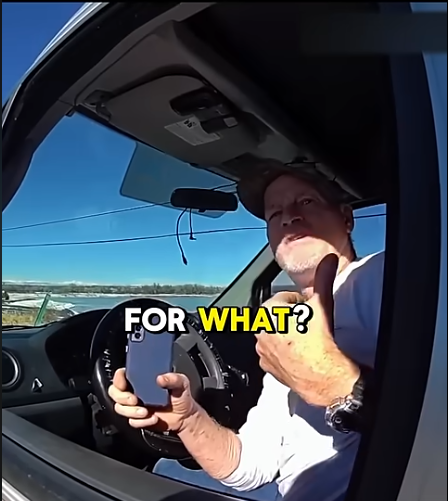
When Authority Meets Accountability: A Roadside Encounter That Sparked a Constitutional Debate
Introduction
Encounters between citizens and law enforcement often exist at the intersection of authority, accountability, and constitutional rights. While many of these interactions are routine and uneventful, others escalate into complex disputes that test both the boundaries of police authority and the limits of citizen rights. In recent years, the rise of smartphones and widespread recording has added a new dimension to these interactions, enabling civilians to document police behavior in real time. This technological shift has empowered citizens—but it has also introduced tension, particularly when officers perceive such actions as challenges to their authority.
This article examines one such encounter: a roadside incident that began as a citizen complaint and escalated into a confrontation involving accusations of obstruction, threats of force, and eventual intervention by a second officer. The situation raises critical questions about the balance between law enforcement authority and constitutional protections, especially those afforded by the First Amendment.
Through a detailed reconstruction of the event and a broader exploration of its implications, this article seeks to illuminate the legal, ethical, and societal issues at play. It also underscores the importance of de-escalation, communication, and proper training in maintaining trust between the public and those sworn to protect it.
The Initial Complaint: A Citizen Takes Action
The incident began on a public roadway, where a citizen observed behavior he believed to be improper and potentially dangerous. According to his account, a police officer was driving at approximately 80 miles per hour in a zone designated for 65 miles per hour. What raised further concern was that the officer allegedly was not using headlights or sirens—tools typically employed to signal an emergency or justify exceeding speed limits.
Rather than ignoring the situation, the citizen chose to act. Using his phone, he recorded the officer’s driving behavior, capturing what he believed to be evidence of misconduct. This decision reflects a growing trend among civilians who use recording devices as a form of accountability, particularly in interactions involving public officials.
After documenting the incident, the citizen made a deliberate choice: he approached the officer. This was not a traffic stop initiated by law enforcement; instead, it was a voluntary interaction initiated by the civilian. His intention, as he later explained, was straightforward—he wanted to report what he perceived as inappropriate conduct and to obtain the officer’s name and badge number.
At this point, the encounter remained relatively calm. The citizen was not being detained, nor had he been accused of committing any offense. From his perspective, he was exercising his rights as a member of the public to question a government official’s actions.
However, what followed would quickly shift the tone of the interaction.
The Dispute: Conflicting Interpretations of Authority
When the citizen requested the officer’s identification, the response he received was unexpected. Instead of providing his name and badge number, the officer shifted the focus of the interaction by demanding the citizen’s driver’s license and vehicle registration.
This request marked a turning point. The citizen, who had not been pulled over or accused of a crime, questioned the legitimacy of the officer’s demand. He argued that he had approached voluntarily and that there was no legal basis requiring him to produce identification under those circumstances.
The disagreement that followed was rooted in fundamentally different interpretations of the situation. From the officer’s perspective, the interaction may have been perceived as a potential challenge to authority or even a disruption. From the citizen’s perspective, it was a lawful exercise of his right to report and question.
The citizen refused to provide his documents, reiterating that he was not being detained and had not committed an offense. He maintained that his role in the encounter was that of a complainant, not a suspect.
This refusal escalated tensions. For law enforcement officers, compliance with requests for identification is often seen as a standard expectation during traffic-related interactions. However, legal standards vary depending on whether a person is being detained, investigated, or simply engaging in voluntary communication.
At this stage, the interaction had transformed from a simple request for accountability into a dispute over legal authority.
Escalation: From Verbal Disagreement to Physical Detention
As the disagreement intensified, the officer escalated the situation by accusing the citizen of obstruction. This accusation introduced a new and serious dimension to the encounter. Obstruction charges typically involve interfering with law enforcement duties, but the definition and application of such charges can be broad and sometimes contested.
The citizen pushed back against this accusation. He argued that he had not interfered with any police activity and that his actions—recording and speaking—were protected under the First Amendment. He emphasized that verbal criticism or questioning of police conduct does not constitute obstruction.
This exchange highlights a key tension in modern policing: the distinction between interference and protected speech. Courts have generally upheld the right of individuals to record police activity and to express criticism, provided they do not physically interfere with law enforcement operations.
Despite the citizen’s assertions, the officer’s response became increasingly forceful. He ordered the man to exit his vehicle. When compliance was not immediate, the officer issued a threat involving a taser—a significant escalation that signaled the potential use of force.
Moments later, the situation escalated further. The citizen was removed from the vehicle and placed in handcuffs.
At this point, what began as a voluntary interaction had transformed into a physical detention. The use of restraints indicated that the officer considered the situation to have crossed into the realm of enforcement rather than dialogue.
For the citizen, this represented a stark and alarming shift. He had approached the officer to report perceived misconduct; now, he found himself restrained and accused of wrongdoing.
The Role of the First Amendment
Central to the dispute was the citizen’s invocation of the First Amendment. His argument rested on two key principles:
- The right to record public officials performing their duties in public spaces.
- The right to verbally question and criticize government actors.
Both principles have been widely recognized in legal precedents across various jurisdictions. Courts have consistently held that recording police activity is a form of protected speech, as long as it does not interfere with law enforcement operations.
Similarly, verbal criticism—even when it is pointed or confrontational—is generally protected unless it crosses into threats or incitement.
In this case, the citizen maintained that his actions fell squarely within these protections. He was recording from a public vantage point and engaging in a verbal exchange without physical interference.
The officer’s accusation of obstruction, therefore, raises important questions. Was the citizen’s behavior genuinely obstructive, or was it a lawful exercise of his rights? The answer to this question depends on the specific circumstances and legal standards applied.
What is clear, however, is that the situation illustrates the challenges officers face when navigating interactions involving constitutionally protected activities. It also underscores the importance of clear guidelines and training in handling such encounters.
Intervention: A Second Perspective
As the situation unfolded, a second officer arrived on the scene. This officer’s role would prove to be pivotal in resolving the conflict.
Upon assessing the situation, the second officer offered a different interpretation. He observed that the citizen had been recording and had not physically interfered with police work. In his view, the circumstances did not justify the level of escalation that had occurred.
This intervention introduced a critical element: perspective. While the first officer had perceived the interaction as obstructive, the second officer recognized it as a lawful exercise of rights.
The presence of a second officer can often serve as a stabilizing factor in tense situations. It allows for reassessment and can help prevent further escalation. In this case, it provided an opportunity to correct what appeared to be a misjudgment.
After discussing the situation, the first officer reconsidered his actions. The decision was made to remove the handcuffs.
Resolution: Apology and Release
With the tension de-escalated, the first officer removed the restraints and apologized to the citizen. This acknowledgment of error was a significant moment in the encounter.
Apologies in law enforcement interactions can be complex. On one hand, they demonstrate accountability and a willingness to admit mistakes. On the other hand, they can raise questions about how and why the situation escalated in the first place.
In this case, the apology suggested recognition that the detention may not have been justified. The citizen was informed that he was free to leave, effectively ending the encounter.
While the immediate situation was resolved without further incident, the broader implications remained.
Legal and Ethical Implications
This incident raises several important legal and ethical questions:
1. When Can an Officer Demand Identification?
The legality of demanding identification depends on the context. In many jurisdictions, officers may require identification during lawful stops or when there is reasonable suspicion of a crime. However, in voluntary interactions, such requirements may not apply.
2. What Constitutes Obstruction?
Obstruction laws are often broadly defined, which can lead to varying interpretations. Courts generally require some form of active interference, not merely verbal disagreement or criticism.
3. The Right to Record
The right to record police activity is well established, but practical conflicts continue to arise. Officers must balance operational concerns with constitutional protections.
4. Use of Force and De-escalation
The rapid escalation—from verbal dispute to handcuffing—raises questions about the proportionality of the response. De-escalation techniques are increasingly emphasized in policing, yet their application can vary.
The Importance of Training and Policy
Incidents like this highlight the need for comprehensive training in areas such as:
- Constitutional rights
- Communication and conflict resolution
- De-escalation strategies
- Proper interpretation of obstruction laws
Clear policies can help officers navigate complex situations and reduce the likelihood of unnecessary escalation.
Public Trust and Accountability
Trust between law enforcement and the community is essential. Encounters that escalate unnecessarily can erode that trust, even when they end with an apology.
At the same time, the willingness to acknowledge and correct mistakes can help rebuild confidence. Transparency and accountability are key components of effective policing.
Conclusion
This roadside encounter serves as a powerful example of how quickly interactions between citizens and law enforcement can escalate when there is a breakdown in communication and understanding.
What began as a citizen’s attempt to report perceived misconduct evolved into a confrontation involving legal disputes, threats of force, and physical detention. Ultimately, it was resolved through the intervention of a second officer and an acknowledgment of error.
The incident underscores the importance of balancing authority with accountability, enforcing the law while respecting constitutional rights, and prioritizing de-escalation over confrontation.
As technology continues to empower citizens to document and question authority, such encounters are likely to become more common. Ensuring that they are handled with professionalism, restraint, and respect for the law will be essential in maintaining public trust and upholding the principles of justice.
Psychological Dynamics of the Encounter
Beyond the legal and procedural aspects, this incident also reveals important psychological dynamics that often shape interactions between citizens and law enforcement. These encounters are rarely just about laws and policies—they are also influenced by perception, emotion, stress, and human behavior under pressure.
For the citizen, the situation likely began with a sense of civic responsibility. Observing what he believed to be unsafe or improper behavior, he chose to document and report it. This decision reflects a mindset rooted in accountability and public safety. However, once confronted with resistance and escalating demands, that mindset likely shifted toward defensiveness and a desire to assert his rights.
From the officer’s perspective, the situation may have been perceived very differently. Law enforcement officers are trained to maintain control of situations, especially during roadside interactions where unpredictability can pose risks. An individual approaching an officer, recording, and questioning behavior may be interpreted as confrontational or even threatening, depending on the circumstances and the officer’s prior experiences.
This divergence in perception is critical. What one party sees as lawful and reasonable behavior, the other may interpret as defiance or interference. When these interpretations clash, escalation becomes more likely—especially if neither side takes steps to de-escalate.
Stress also plays a significant role. Officers often operate under high-pressure conditions, where rapid decision-making is required. Similarly, civilians in confrontational situations may experience heightened adrenaline and emotional responses. These factors can impair judgment, reduce patience, and increase the likelihood of conflict.
The presence of a second officer helped disrupt this psychological cycle. By introducing a new perspective, it created an opportunity for reassessment and de-escalation. This underscores the value of having multiple viewpoints in tense situations, as well as the importance of maintaining composure and openness to reconsideration.
The Role of Technology in Modern Policing
The widespread availability of smartphones has fundamentally transformed the relationship between law enforcement and the public. In the past, incidents like this might have relied solely on conflicting accounts. Today, video recordings provide a more objective record of events, influencing both public perception and legal outcomes.
For citizens, recording interactions serves as a tool for transparency and accountability. It allows individuals to document potential misconduct and to protect themselves in disputes. For law enforcement, however, the presence of cameras can be a double-edged sword. While recordings can validate proper conduct, they can also capture mistakes and escalate tensions when officers feel scrutinized.
In this case, the citizen’s decision to record the officer’s driving behavior set the stage for the entire encounter. The act of filming was not merely passive observation—it was an assertion of oversight. This dynamic can create discomfort for officers who may feel that their authority is being challenged.
At the same time, many police departments have embraced technology by implementing body-worn cameras. These devices are intended to promote accountability on both sides, providing a more complete picture of interactions. When used effectively, they can reduce disputes and improve transparency.
However, technology alone is not a solution. Its effectiveness depends on how it is integrated into policies and practices. Officers must be trained to understand that recording is generally a protected activity, and civilians must be aware of their rights and responsibilities when documenting interactions.
Comparative Case Studies and Broader Context
This incident is not isolated. Across various jurisdictions, similar encounters have occurred, often with varying outcomes. Examining these cases provides valuable context for understanding the broader implications.
In some instances, courts have ruled in favor of citizens who were detained or arrested for recording police activity. These rulings have reinforced the principle that recording is a protected form of expression. In other cases, courts have upheld obstruction charges when individuals crossed the line into physical interference or created safety risks.
The variability in these outcomes highlights the importance of context. Factors such as proximity, behavior, tone, and timing can all influence how an interaction is interpreted.
Additionally, public awareness of these issues has grown significantly. High-profile incidents and viral videos have sparked national and international conversations about police conduct, accountability, and reform. This increased scrutiny has led to policy changes in many departments, including clearer guidelines on handling individuals who record police activity.
The incident described in this article fits within this broader narrative. It reflects ongoing tensions and evolving norms in the relationship between law enforcement and the public.
De-escalation: What Could Have Been Done Differently?
One of the most important lessons from this encounter is the role of de-escalation. While the situation ultimately resolved without lasting harm, it escalated more quickly than necessary.
Several points in the interaction offered opportunities for a different outcome:
1. Initial Response
When the citizen requested the officer’s name and badge number, a straightforward response could have set a cooperative tone. Providing identification is often a simple way to build trust and defuse potential conflict.
2. Clarifying Intentions
Both parties could have benefited from clearer communication. The citizen could have emphasized that he was not accusing the officer of wrongdoing but seeking clarification. The officer could have explained his perspective and any justification for his actions.
3. Avoiding Assumptions
The escalation was partly driven by assumptions—each party interpreting the other’s behavior in a negative light. Taking a moment to ask questions rather than issue demands might have prevented the conflict from intensifying.
4. Proportional Response
The decision to threaten a taser and apply handcuffs represented a significant escalation. De-escalation principles emphasize using the least force necessary, especially in situations involving non-violent individuals.
5. Peer Intervention
The second officer’s intervention was a key factor in resolving the situation. Encouraging a culture where officers feel empowered to question and support one another can help prevent unnecessary escalation.
The Citizen’s Perspective: Rights and Responsibilities
While much of the focus is on law enforcement conduct, it is also important to consider the citizen’s role. Exercising rights comes with certain responsibilities, particularly in interactions that have the potential to escalate.
The citizen in this case asserted his rights clearly and consistently. He maintained that he was not required to provide identification and that his actions were protected by the First Amendment. From a legal standpoint, these arguments have merit in many contexts.
However, the manner in which rights are exercised can influence the outcome of an interaction. Remaining calm, respectful, and non-confrontational can reduce the likelihood of escalation, even when disagreements arise.
This does not mean that citizens should forgo their rights or accept unlawful treatment. Rather, it highlights the importance of balancing assertiveness with strategic communication.
Understanding the legal framework is also crucial. Knowing when identification is required, what constitutes obstruction, and how to safely record police activity can help individuals navigate these encounters more effectively.
Institutional Accountability and Reform
Incidents like this often prompt discussions about accountability and reform within law enforcement agencies. While individual actions play a role, systemic factors such as training, policies, and organizational culture are equally important.
Departments can take several steps to reduce the likelihood of similar incidents:
- Enhanced Training: Regular instruction on constitutional rights, including the right to record, can help officers make informed decisions in the field.
- Clear Policies: Written guidelines on handling citizen recordings and voluntary interactions can provide clarity and consistency.
- Supervision and Review: Monitoring incidents and conducting thorough reviews can identify patterns and areas for improvement.
- Community Engagement: Building relationships with the public can foster mutual understanding and reduce adversarial dynamics.
Accountability mechanisms, such as internal investigations and civilian oversight boards, also play a role in addressing misconduct and ensuring transparency.
Media and Public Perception
In today’s digital age, incidents like this often gain attention beyond the immediate participants. Videos can be shared widely, shaping public perception and influencing discourse.
Media coverage can amplify certain aspects of an incident while omitting others, depending on the narrative. This can lead to polarized interpretations, with some viewing the officer’s actions as justified and others seeing them as excessive.
Public perception matters because it affects trust in law enforcement institutions. Repeated incidents of perceived overreach can erode confidence, while examples of accountability and professionalism can strengthen it.
This underscores the importance of transparency and communication. Providing clear information about what occurred and how it was addressed can help mitigate misunderstandings and build trust.
Lessons for the Future
This incident offers several key lessons for both law enforcement and the public:
- Communication is Critical: Clear, respectful dialogue can prevent misunderstandings and reduce tension.
- Rights Must Be Respected: Upholding constitutional protections is fundamental to the legitimacy of law enforcement.
- De-escalation Saves Outcomes: Avoiding unnecessary escalation benefits all parties involved.
- Accountability Builds Trust: Acknowledging and correcting mistakes is essential for maintaining public confidence.
- Education is Empowering: Both officers and citizens benefit from understanding the legal framework governing their interactions.
A Broader Reflection on Authority and Freedom
At its core, this encounter reflects a broader societal question: how do we balance authority and freedom in a democratic society?
Law enforcement officers are granted significant powers to maintain order and ensure safety. These powers are necessary, but they must be exercised within the bounds of the law and with respect for individual rights.
Citizens, on the other hand, have the right to question, observe, and hold those in power accountable. These rights are essential to democracy, but they must be exercised responsibly to avoid unnecessary conflict.
Finding the balance between these principles is an ongoing challenge. It requires mutual respect, continuous learning, and a commitment to the rule of law.
Conclusion: Moving Forward
The roadside encounter described in this article is more than a single incident—it is a reflection of the evolving relationship between law enforcement and the public in the modern era.
While the situation ultimately ended without lasting harm, it highlights areas where improvement is needed. From communication and training to accountability and public awareness, there are opportunities to learn and grow.
As society continues to navigate these complex dynamics, one thing remains clear: the principles of justice, transparency, and respect must guide every interaction. By adhering to these values, both law enforcement and the public can work toward a more cooperative and trust-based relationship.