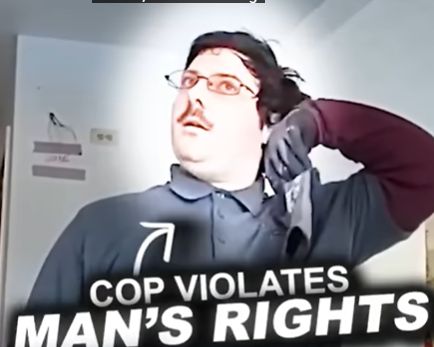
The quiet suburban neighborhood had barely started waking up when police vehicles slowly rolled into the street. It was one of those calm mornings where almost every sound carried through the area — lawn sprinklers clicking, distant dogs barking, birds moving between rooftops. Several neighbors noticed the patrol car immediately because incidents were rare in that part of town. At first, most people assumed officers were responding to something minor, but attention quickly shifted toward one particular house where the front door stood partially open.
Inside the home, a local electrician was focused on repairing a malfunctioning alarm system that had reportedly been causing problems for days. Wires and small tools were spread across the floor near the wall panel while the man moved carefully between different parts of the security setup. According to later reports, the homeowner had recently experienced issues with the alarms randomly triggering, forcing them to call an electrician to inspect and repair the system.
The electrician had been inside the property for some time before police arrived. He reportedly wore work gloves and carried several equipment bags commonly used for electrical repairs. However, from outside the house, officers could only see a man moving around inside a property where no homeowner appeared present. Combined with the open door and visible equipment, the scene immediately raised suspicion.
One officer later explained that police had received a call from someone nearby reporting “suspicious activity” at the residence. According to dispatch information, the caller allegedly believed a possible burglary might be taking place because they noticed a man entering and exiting the house repeatedly while carrying tools.
When officers approached the front entrance, they reportedly announced themselves loudly before stepping inside. The electrician appeared startled by the sudden arrival of police. Body camera footage later showed him quickly turning toward the officers while still holding equipment in one hand.
Police immediately began questioning him about why he was inside the property. According to reports, the electrician attempted to explain that he was there to repair the alarm system, but officers remained skeptical at first. One officer reportedly asked him multiple times whether he actually lived at the house or had permission to be there.
The electrician, visibly confused by the confrontation, tried calmly explaining that he worked for an electrical repair company and had been hired by the homeowner. He reportedly pointed toward his tools, invoices, and repair equipment while attempting to clarify the situation. But officers continued treating the scene cautiously because they still had not confirmed his identity or connection to the property.
The tension in the room gradually increased as questioning continued. According to footage later described online, officers repeatedly interrupted the electrician while he attempted to explain his work. At one point he allegedly reached toward his pocket to retrieve identification or paperwork, causing officers to immediately order him to stop moving his hands.
The electrician appeared increasingly nervous as the encounter escalated. Witnesses later described him as someone who looked more confused than threatening. He reportedly kept repeating variations of the same explanation: that he was simply fixing the home’s alarm system after being called by the owner.
However, because the homeowner was not immediately present and the officers had only limited information at the time, they continued investigating the possibility that the man could be trespassing or attempting theft. One officer reportedly questioned why the electrician was inside the property alone without the owner present.
The electrician explained that homeowners frequently leave repair workers alone while jobs are completed, especially for routine maintenance tasks. He reportedly attempted to show work messages and contact details connected to the appointment, but the interaction had already become tense.
Several neighbors had begun quietly gathering outside by then, watching through windows and from driveways as police activity continued inside the home. Some reportedly recognized the electrician’s work van parked nearby and realized he had likely been called for legitimate repairs. But at that moment, officers inside still had not fully verified the situation.
According to witnesses, the electrician became visibly frustrated after repeated accusations suggesting he might be a burglar. He allegedly told officers they were treating him “like a criminal” despite him trying to cooperate. Body camera footage reportedly showed him raising his voice slightly at times, though witnesses said he still appeared more upset and defensive than aggressive.
The situation shifted dramatically when a nearby neighbor approached officers outside the house. The neighbor reportedly informed police that the man inside was indeed the electrician hired to fix the alarm system. According to the neighbor, the homeowner had spoken earlier about ongoing alarm problems and mentioned expecting repair workers that day.
The neighbor also reportedly explained that the homeowner was temporarily away handling errands while the electrician completed repairs. That information immediately changed the direction of the investigation.
Officers then began attempting to contact the homeowner directly to confirm the story. After several tense minutes, authorities reportedly succeeded in reaching the homeowner by phone. The homeowner confirmed that the electrician had full permission to be inside the property and was actively working on the alarm system exactly as he claimed.
The atmosphere inside the house reportedly changed almost instantly after that confirmation. Officers who moments earlier had treated the electrician with suspicion now appeared to realize the misunderstanding. But by then, the electrician was visibly upset over how the encounter had unfolded.
According to reports, he questioned why officers assumed he was a criminal before properly verifying information. He reportedly explained that he had spent years working in homes throughout the community without issues and felt humiliated being confronted so aggressively while simply doing his job.
Body camera footage later became widely discussed online after clips circulated showing parts of the confrontation. Many viewers focused on the electrician’s visible confusion and frustration as officers repeatedly questioned him before confirming details with the homeowner.
Critics online argued that police escalated the situation too quickly instead of first gathering more information calmly. Some viewers pointed out that electricians, plumbers, contractors, and repair workers commonly work inside homes without owners present. Others argued that officers were simply responding cautiously to a potentially suspicious situation based on the information they initially received.
Legal commentators later noted that police are generally allowed to investigate suspicious activity reports, especially when responding to possible burglary calls. However, many also emphasized that officers must balance caution with reasonable assessment of evidence and behavior.
Several electricians and contractors shared reactions online as the story spread. Many described having experienced similar situations while working in unfamiliar neighborhoods or entering homes where neighbors did not recognize them. Some workers said they now carry extra paperwork or company identification specifically to avoid misunderstandings during service calls.
The electrician involved reportedly became especially frustrated over how quickly assumptions were made based on appearance and circumstance alone. According to sources close to him, he felt officers had already decided he was guilty before listening carefully to his explanations.
One particularly discussed moment from the footage reportedly showed the electrician attempting to point toward alarm equipment and exposed wiring while explaining the repairs. Critics argued that the visible work setup should have signaled legitimate maintenance activity rather than criminal behavior.
Meanwhile, supporters of the officers noted that burglars sometimes use disguises, uniforms, or fake work claims to gain access to properties. They argued police cannot simply accept every explanation immediately without verification. Still, even some supporters admitted the tone of the interaction appeared unnecessarily confrontational at certain moments.
The neighbor who stepped forward later became a key figure in discussions surrounding the incident. Many viewers online praised the neighbor for intervening calmly and providing crucial context before the situation escalated further. Some believed the misunderstanding might have continued much longer without that outside confirmation.
After the homeowner confirmed everything by phone, officers reportedly apologized to the electrician for the confusion. But according to reports, the apology did little to ease his frustration in the moment. Witnesses said he appeared shaken and embarrassed after being questioned so intensely while trying to work.
Several neighbors later described the electrician as someone who looked emotionally exhausted by the experience. One witness reportedly said, “You could tell he just wanted to do his job and leave.” Another neighbor commented that the situation seemed to spiral unnecessarily because assumptions were made too quickly.
As clips of the body camera footage spread online, debates intensified over whether the electrician’s rights had been violated during the encounter. Some viewers believed officers detained and questioned him too aggressively without enough evidence. Others argued police were performing routine investigative work based on a suspicious activity report.
Civil rights advocates later pointed out how stressful and intimidating police confrontations can become for ordinary workers unexpectedly caught in misunderstandings. Even temporary detentions or aggressive questioning can leave lasting emotional impacts, especially for people who have done nothing wrong.
The electrician reportedly missed additional appointments later that day because of how long the investigation lasted. According to reports, he spent hours afterward speaking with supervisors and reviewing the incident. Coworkers allegedly expressed anger over how the situation was handled, arguing that service workers should not automatically be treated as suspects simply because neighbors are unfamiliar with them.
The homeowner later publicly defended the electrician, confirming he had been hired legitimately and was performing exactly the work requested. The homeowner reportedly expressed frustration that police did not attempt to contact them earlier before escalating the confrontation inside the home.
As public discussion continued, many people reflected on how quickly ordinary situations can turn tense once assumptions replace communication. What started as a routine alarm repair became a police investigation involving accusations, confusion, embarrassment, and online debate — all because officers initially believed the electrician might be committing a crime.
By the end of the day, the electrician reportedly returned briefly to finish the alarm repairs before leaving the property. But according to people close to him, the emotional effect of the encounter lingered long afterward. He allegedly worried about future service calls and whether similar misunderstandings might happen again while working alone in unfamiliar neighborhoods.
The story ultimately became less about the alarm system itself and more about perception, assumptions, and communication. A worker performing routine repairs suddenly found himself treated like a suspect inside a home he had been legally hired to service. And although the misunderstanding was eventually resolved, many people felt the damage caused by the confrontation could not simply be erased by an apology after the fact.
In the hours after the encounter, the story continued spreading rapidly across local social media pages, especially after portions of the body camera footage were uploaded online. Many viewers reacted strongly to how visibly uncomfortable and overwhelmed the electrician appeared during the questioning. Some commented that he looked more confused than dangerous from the very beginning, while others focused on the repeated interruptions each time he attempted to explain why he was inside the property.
One clip that circulated widely showed the electrician standing near the alarm panel with work gloves still on, surrounded by exposed wiring and electrical equipment while officers questioned him aggressively about ownership of the home. Viewers online pointed out that the setting itself clearly resembled an active repair job rather than a burglary in progress. Tools were laid out methodically, ladder equipment stood nearby, and several alarm components had already been removed from the wall for inspection.
Former contractors and repair technicians began sharing their own experiences in response to the footage. Many described similar situations where neighbors became suspicious simply because they did not recognize them working at a property. Some electricians explained that it is extremely common for homeowners to leave during long repair jobs, especially when work may take several hours. According to several workers, homeowners often feel more comfortable running errands instead of sitting through loud drilling, wiring, or repeated alarm testing.
The electrician at the center of the incident reportedly became emotional while speaking later with friends and coworkers about how the situation unfolded. According to people close to him, he felt deeply embarrassed by being treated like a criminal in front of neighbors while simply doing his job. One coworker later stated that the electrician took pride in his reputation and professionalism, making the accusations especially upsetting.
Body language experts interviewed by local media later analyzed portions of the footage and noted how the electrician’s behavior appeared consistent with stress and confusion rather than deception. They pointed to nervous gestures, defensive posture, and repeated attempts to provide explanations as signs of someone overwhelmed by an unexpected confrontation rather than someone hiding criminal intent.
Still, debate around the officers’ actions continued. Supporters of the police response argued that officers cannot ignore reports of suspicious activity simply because someone claims to be a worker. They pointed out that burglars sometimes impersonate contractors or maintenance workers to gain access to homes. From that perspective, verifying the electrician’s identity and authorization before leaving the scene was necessary.
However, critics argued the problem was not the investigation itself but rather the tone and assumptions used during the encounter. Some viewers believed officers immediately approached the electrician as though guilt had already been decided instead of calmly gathering information first. Others pointed out that the officers appeared more focused on challenging his explanations than verifying them.
The neighbor who intervened reportedly later explained why they stepped forward. According to the neighbor, watching the interaction from outside made it clear that the electrician was becoming increasingly distressed while trying unsuccessfully to explain himself. The neighbor said they recognized the work van immediately because it had been parked outside the home for several hours earlier that morning.
That neighbor’s involvement likely prevented the situation from escalating further. Several legal analysts later commented that misunderstandings during police encounters can quickly intensify once emotions rise on both sides. The electrician’s growing frustration combined with the officers’ suspicion created a tense atmosphere where even simple movements or raised voices risked worsening the situation.
One particularly uncomfortable moment described by viewers involved the electrician attempting to retrieve paperwork from his bag before officers sharply ordered him not to move. According to critics, situations like that demonstrate how easily innocent people can become trapped in stressful encounters where every action suddenly appears suspicious.
After the homeowner officially confirmed the electrician’s story, officers reportedly loosened their posture and began speaking in calmer tones. But by that point, according to witnesses, the electrician’s trust and sense of comfort had already been damaged significantly. Witnesses said he appeared physically shaken, pacing slightly and rubbing his face after the tension eased.
Several neighbors later approached him privately to apologize for the misunderstanding, even though they were not directly responsible. According to reports, some residents felt guilty that a routine service call had spiraled into such a humiliating public situation. Others admitted they initially assumed something criminal was happening simply because police presence tends to create immediate suspicion.
The homeowner reportedly expressed frustration not only over the treatment of the electrician but also over the delay caused to the repairs. The alarm system remained partially disabled throughout the investigation, leaving sections of the property unsecured for hours longer than expected. According to the homeowner, the electrician had been professional and communicative before the police encounter interrupted everything.
As the footage gained more attention online, larger discussions emerged surrounding workers who regularly enter private homes for maintenance, repairs, or deliveries. Electricians, internet technicians, plumbers, cleaners, and appliance repair workers all described situations where neighbors questioned their presence simply because they were unfamiliar faces in residential areas.
Some workers shared stories of having police called on them while carrying tools, entering homes through side gates, or unloading equipment from vans. Others described feeling increasingly anxious about working alone in unfamiliar neighborhoods because misunderstandings can escalate rapidly once authorities become involved.
Civil rights attorneys also weighed in on the encounter, discussing the balance between police caution and respectful treatment of individuals during investigations. While most acknowledged officers had the authority to investigate suspicious activity reports, some questioned whether the electrician had effectively been detained without sufficient evidence beyond a vague complaint from a neighbor.
Several commentators emphasized how power dynamics affect interactions like these. For ordinary workers suddenly confronted by armed officers inside someone else’s home, even innocent movements or nervous reactions can be misinterpreted. That pressure alone often causes people to appear more anxious, defensive, or frustrated, unintentionally feeding suspicion further.
The electrician’s employer later reportedly reviewed company procedures following the incident. Discussions allegedly included whether workers should wear more visible branded uniforms, carry larger identification badges, or notify neighbors when major service calls occur in residential areas. Some employees resisted those ideas, arguing they should not need to prove legitimacy constantly just to perform normal work duties.
Meanwhile, online reactions remained deeply divided. Some viewers sympathized strongly with the electrician, seeing the situation as an example of an innocent person wrongly treated with suspicion. Others maintained that officers were simply performing their jobs carefully after receiving a potentially serious report.
One retired police officer commenting publicly noted that many misunderstandings begin because dispatch information is incomplete or vague. Officers arriving at scenes often know very little beyond initial complaints. In this case, responding to “a possible suspicious person inside a house” naturally heightened alertness before officers even entered the property.
Still, even some former law enforcement professionals admitted the interaction could likely have been handled with calmer communication. Several pointed out that asking more open-ended questions initially instead of immediately confronting the electrician aggressively may have reduced tension significantly.
The electrician reportedly struggled emotionally in the days afterward. According to friends, he replayed the interaction repeatedly in his mind, questioning whether he could have explained himself differently or stayed calmer during the confrontation. Coworkers reminded him that frustration during sudden accusations is a normal human reaction, especially when someone knows they have done nothing wrong.
Some people close to him also worried about the lasting effect the incident might have on his confidence while working. Service jobs already involve entering unfamiliar environments daily, often alone. After being publicly confronted and treated like a suspect, the electrician reportedly became more nervous during later appointments in neighborhoods where people did not know him.
The story gradually faded from headlines after several days, but discussions about it continued online much longer. For many viewers, the footage represented how quickly ordinary people can become caught in stressful police encounters despite doing routine, lawful work. For others, it demonstrated the difficult balance officers face when responding to uncertain situations involving private property.
In the end, no burglary had occurred. No crime was being committed. A man hired to fix an alarm system simply found himself mistaken for a criminal because of incomplete information, suspicion, and assumptions made before the full situation was understood.
Yet even after the misunderstanding was resolved, the emotional impact remained. The electrician returned home that night not as someone who had completed another normal workday, but as someone who had spent hours defending his innocence while standing inside a house he had legally been invited to repair. And for many people watching the footage afterward, that lingering discomfort became the part of the story hardest to forget.