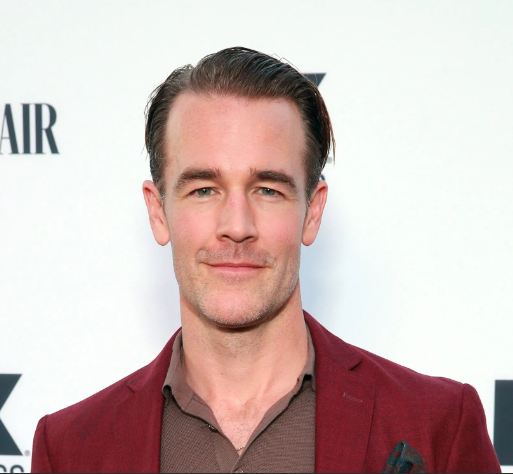
For millions of viewers around the world, James Van Der Beek will forever be tied to the emotional, thoughtful character of Dawson Leery from Dawson’s Creek. His face became a symbol of a generation navigating love, identity, and the uncertainties of growing up. But beyond the screen, Van Der Beek’s life told a far more profound story—one marked by resilience, transformation, and, in his final years, an extraordinary commitment to helping others.
His journey through illness did not begin as a public narrative. It started quietly, personally, and unexpectedly—like it does for so many.
A Sudden Shift: When Health Becomes Uncertain
In 2023, Van Der Beek began experiencing subtle but persistent changes in his body. These were not dramatic symptoms, nor immediately alarming ones. Like many people, he initially attributed them to minor issues—something temporary, something manageable.
But as time passed, those symptoms persisted. Eventually, he sought medical attention.
What followed was a diagnosis that would reshape everything: stage 3 colorectal cancer.
For someone who had always appeared vibrant and healthy, the diagnosis came as a profound shock—not only to him, but to those who knew and admired him. He had no significant family history that would have suggested a high risk. He had lived an active life. And yet, like a growing number of individuals under 50, he found himself facing a disease that is increasingly affecting younger populations.
Understanding the Reality of Colorectal Cancer
Colorectal cancer has long been associated with older adults, but in recent years, medical experts have observed a troubling shift. More cases are being diagnosed in people in their 30s and 40s—often without clear warning signs.
Symptoms can be easy to overlook: changes in bowel habits, fatigue, abdominal discomfort. Many people delay seeking care, assuming these issues are temporary or benign.
By the time a diagnosis is made, the disease is sometimes already in an advanced stage.
Stage 3 colorectal cancer, the stage at which Van Der Beek was diagnosed, typically means that cancer has spread to nearby lymph nodes but not to distant organs. Treatment often involves a combination of surgery and chemotherapy—an aggressive approach aimed at eliminating the disease and preventing recurrence.
It is a battle that requires not just physical endurance, but emotional strength as well.
Choosing Privacy Before Purpose
For more than a year after his diagnosis, Van Der Beek chose to keep his condition private.
This was not a decision made lightly. For someone who had lived much of his life in the public eye, stepping back into privacy allowed him to process the reality of his situation on his own terms. It gave him space to focus on his treatment, his family, and the deeply personal questions that arise when life takes an unexpected turn.
During this time, he underwent surgery and chemotherapy, navigating the physical toll while maintaining a sense of normalcy for his children.
Behind the scenes, however, his perspective was shifting.
Illness has a way of forcing introspection. It challenges long-held assumptions about identity, purpose, and what truly matters. For Van Der Beek, it sparked a transformation that would later define the final chapter of his life.
Redefining Identity Beyond Fame
For years, Van Der Beek had been known as an actor—a performer whose work resonated with audiences across generations. But as he faced cancer, he began to confront a deeper question:
Who am I, beyond what I do?
He spoke openly about the struggle of separating his sense of self from his career. Like many people, he had long associated his worth with productivity, success, and the roles he played—both on screen and in life.
Cancer forced him to reevaluate those ideas.
He began to speak about letting go of rigid definitions of identity—about finding value not in achievement, but in presence. In being a father. In being a partner. In simply being.
This shift did not come easily. It required confronting fear, uncertainty, and vulnerability. But it also opened the door to something else: connection.
Turning Pain Into Advocacy
When Van Der Beek eventually chose to share his diagnosis publicly in 2024, he did so with a clear purpose.
He did not present his story as a tragedy. Instead, he framed it as an opportunity—to raise awareness, to encourage early screening, and to remind others that they are not alone.
His message was simple but powerful: listen to your body, seek help when something feels wrong, and do not assume that serious illness cannot happen to you.
He became an advocate not through grand gestures, but through honesty.
In interviews and public reflections, he spoke candidly about the realities of cancer—the physical toll, the emotional weight, and the ways it reshapes your understanding of life.
His willingness to be vulnerable resonated deeply with others facing similar battles.
A Creative Approach to Awareness
In December 2025, Van Der Beek took a unique approach to raising both awareness and funds.
He auctioned personal memorabilia from Dawson’s Creek through a public sale. Items that had once been part of television history—props, wardrobe pieces, and keepsakes—were transformed into tools for advocacy.
Over three days, the auction raised more than $47,000.
One particularly iconic item—a necklace worn in the series—sold for over $26,000, reflecting not only its sentimental value but the deep connection fans still felt to his work.
But the auction was about more than nostalgia.
It highlighted a difficult truth: even for someone with a successful career, the financial burden of cancer treatment can be significant.
By sharing this reality, Van Der Beek helped bring attention to an often-overlooked aspect of illness—the economic strain that accompanies it.
The Human Side of the Journey
Throughout his illness, Van Der Beek remained deeply connected to his family.
He and his wife, Kimberly, had built a life centered around their six children. Even as he faced the challenges of treatment, he remained present—engaged in the everyday moments that define family life.
Those close to him described a man who approached his illness with both realism and hope. He did not deny the difficulty of his situation, but neither did he allow it to define him entirely.
Instead, he focused on what he could still give—his time, his voice, and his perspective.
A Career That Spanned Generations
Long before his diagnosis, Van Der Beek had built a career that extended far beyond his breakout role.
While Dawson’s Creek made him a household name, he continued to evolve as an actor, taking on roles in films such as Varsity Blues, The Rules of Attraction, and Jay and Silent Bob Strike Back.
He demonstrated a willingness to explore different genres, from drama to satire, never allowing himself to be confined by a single identity.
Yet in the end, it was not his performances that defined his legacy—it was his humanity.
The Broader Impact of His Story
Van Der Beek’s journey brought attention to a critical public health issue.
Colorectal cancer is one of the most preventable forms of cancer when detected early. Screening can identify precancerous growths before they develop into something more serious.
In response to rising cases among younger adults, many health organizations now recommend beginning screening at age 45—or earlier for those with increased risk.
By sharing his experience, Van Der Beek helped amplify this message.
He reminded people that awareness can save lives.
A Quiet Farewell
On February 11, 2026, James Van Der Beek passed away at the age of 49.
The news was met with an outpouring of grief from fans, colleagues, and those who had been touched by his story. For many, it felt deeply personal—as though they had lost not just an actor, but someone who had grown alongside them.
He is survived by his wife Kimberly and their six children, who remained at the center of his world until the very end.
A Legacy That Endures
In remembering Van Der Beek, it is easy to focus on the roles he played or the fame he achieved.
But his true legacy lies elsewhere.
It lies in the honesty with which he faced his illness. In the courage it took to share his story. In the lives he may have helped save by encouraging others to seek care.
It lies in the reminder that even in the face of profound challenge, it is possible to find meaning, connection, and purpose.
His story is not just one of loss.
It is one of impact.
And it will continue to resonate for years to come.
The Emotional Weight of a Public Goodbye
As news of James Van Der Beek’s passing spread, the reaction was immediate and deeply emotional. Fans who had grown up watching Dawson’s Creek felt a profound sense of loss—not just for the actor, but for what he represented in their lives.
For many, Dawson Leery was more than a fictional character. He was a reflection of youthful dreams, insecurities, and the complicated journey into adulthood. Through Van Der Beek’s performance, audiences found comfort, relatability, and a sense of connection that extended far beyond the television screen.
That connection only deepened in his final years, as he allowed the public to see a more vulnerable side of himself. By sharing his battle with cancer, he bridged the gap between celebrity and everyday experience. He became not just someone to admire, but someone to empathize with.
In doing so, he changed the nature of his relationship with his audience. It was no longer just about entertainment—it was about shared humanity.
The Power of Vulnerability in a Public Life
In an industry often defined by image and control, Van Der Beek’s openness stood out.
He did not present himself as invincible. He did not attempt to mask the difficulties he was facing. Instead, he chose honesty—even when that honesty revealed fear, uncertainty, and pain.
This vulnerability became one of his greatest strengths.
It allowed others facing similar diagnoses to feel seen and understood. It created space for conversations about illness that are often avoided or minimized. And it challenged the idea that strength must always look like certainty.
For Van Der Beek, strength meant acknowledging the reality of his situation while continuing to move forward.
It meant showing up—for his family, for his audience, and for himself—even on the hardest days.
A Family Man Above All Else
While his career brought him fame, it was his role as a father and husband that defined his life in its final chapter.
He and Kimberly had built a home filled with love, energy, and the joyful chaos that comes with raising six children. Even as he underwent treatment, he remained deeply involved in their lives—present for the small, everyday moments that often matter most.
Those who knew him spoke of his dedication to his family. He was not just a provider, but a participant—someone who valued connection, laughter, and the simple act of being together.
Cancer may have changed the circumstances of his life, but it did not change his priorities.
If anything, it clarified them.
The Quiet Strength Behind the Scenes
Much of Van Der Beek’s journey took place away from the spotlight.
The long days of treatment. The physical toll of chemotherapy. The emotional strain of uncertainty. These were experiences shared with a close circle of family and friends, rather than broadcast to the world.
Yet even in private, his approach remained consistent.
He faced challenges with a sense of grounded realism. He did not pretend that everything was okay—but he also did not allow despair to take over. Instead, he focused on what he could control: his mindset, his actions, and the way he showed up for others.
This quiet strength became the foundation of his public advocacy.
When he eventually shared his story, it was not from a place of performance, but from lived experience.
Changing the Conversation Around Illness
One of the most significant impacts of Van Der Beek’s openness was the way it shifted conversations around colorectal cancer.
For many people, cancer remains a distant concept—something that happens to others, often later in life. His story challenged that perception.
He showed that serious illness can affect anyone, regardless of age, background, or lifestyle. He emphasized the importance of paying attention to one’s body and seeking medical advice when something feels wrong.
In doing so, he helped reduce the stigma and fear that often surround discussions of cancer.
He made it easier for others to speak up, to ask questions, and to take proactive steps in their own health journeys.
The Ripple Effect of Advocacy
Advocacy is rarely about a single moment. It is about creating a ripple effect—one that extends far beyond the individual.
Van Der Beek’s efforts did exactly that.
Through his public statements, his fundraising initiatives, and his willingness to share his experience, he reached countless people. Some were inspired to schedule screenings. Others found comfort in knowing they were not alone.
Healthcare professionals also noted the impact. Stories like his can play a powerful role in encouraging early detection, which is often the key to successful treatment.
In this way, his legacy extends into the realm of public health.
It is measured not only in memories, but in lives potentially saved.
Remembering the Artist
While his final years were defined by advocacy, it is important not to overlook the artistic contributions that first brought him into the public eye.
Van Der Beek’s career was marked by a willingness to take risks and explore different facets of storytelling. From heartfelt drama to self-aware comedy, he demonstrated a range that kept audiences engaged over decades.
He was not content to remain in a single lane. Instead, he embraced change, adapting to new opportunities and challenges as they arose.
This adaptability mirrored the resilience he would later show in his personal life.
In both his career and his illness, he refused to be defined by limitations.
A Legacy Rooted in Humanity
As time passes, the details of any public figure’s career may fade. Roles may be revisited, performances reanalyzed, and achievements remembered in different ways.
But what endures is something deeper.
In the case of James Van Der Beek, it is the humanity he brought to both his work and his life.
It is the way he chose to face adversity—not with denial, but with honesty.
It is the way he used his platform—not just for visibility, but for purpose.
And it is the way he remained connected to the people who mattered most to him, even in the face of unimaginable challenges.
The Lasting Message
Perhaps the most powerful aspect of Van Der Beek’s story is the message it leaves behind.
It is a reminder that life is unpredictable, and that even those who seem invincible can face profound challenges.
But it is also a reminder of the strength that exists within vulnerability.
Of the importance of connection.
Of the impact one person can have when they choose to share their truth.
His journey encourages us to pay attention—to our health, to our loved ones, and to the moments that make life meaningful.
A Farewell That Resonates
The loss of James Van Der Beek is felt not only within the entertainment industry, but among the countless individuals who found meaning in his work and his words.
He leaves behind a legacy that is both personal and universal.
Personal, in the love he shared with his family.
Universal, in the impact of his advocacy and the lessons of his journey.
In the end, he was more than a character on a screen.
He was a voice.
A presence.
A reminder that even in the face of life’s greatest challenges, it is possible to live with honesty, courage, and compassion.
And that is how he will be remembered.
The Quiet Courage of Living With Uncertainty
One of the most difficult aspects of a cancer diagnosis is the uncertainty that accompanies it. For many patients, life becomes a series of waiting periods—waiting for test results, waiting for scans, waiting for doctors to determine the next step.
For James Van Der Beek, this uncertainty became part of everyday life.
There were moments of hope when treatments appeared to be working, when strength returned and life seemed almost normal again. But there were also moments of fear—when symptoms resurfaced or when medical updates brought new challenges.
Living in this space between hope and uncertainty requires a special kind of resilience.
Van Der Beek spoke openly about learning to live in the present. Rather than becoming consumed by questions about the future, he tried to focus on the day in front of him—the conversations he could have, the time he could spend with his children, the opportunities he still had to make a difference.
It was not always easy. But it became a philosophy that helped him navigate the unpredictable reality of illness.
Finding Meaning in Small Moments
When serious illness enters a person’s life, priorities often shift dramatically.
Things that once seemed urgent—career milestones, public recognition, professional ambitions—begin to feel less important. What takes their place are the smaller, quieter moments that form the fabric of daily life.
Van Der Beek often spoke about this transformation.
A simple dinner with his family.
Watching his children play.
Walking outside and appreciating the calm of nature.
These experiences became profoundly meaningful.
They reminded him that life’s value does not come from grand achievements alone. Sometimes it comes from presence—from fully experiencing the moments that are easily overlooked when life feels rushed.
In many ways, this shift in perspective became one of the most powerful lessons he shared with others.
The Strength of a Support System
Throughout his illness, Van Der Beek was surrounded by a network of support that played a crucial role in his journey.
His wife, Kimberly, remained a constant presence—offering strength, encouragement, and unwavering partnership. Their relationship, built on years of shared experiences, provided stability during one of the most challenging periods of their lives.
Friends and colleagues also rallied around him.
Messages of support poured in from across the entertainment industry. Actors, directors, and longtime collaborators reached out, offering words of encouragement and expressing admiration for the courage he displayed.
Fans, too, played an important role.
Many people who had grown up watching Dawson’s Creek felt a deep emotional connection to Van Der Beek. When they learned about his diagnosis, they responded with compassion and solidarity.
Letters, social media messages, and personal stories flooded in—many from individuals who were battling cancer themselves.
These connections created a sense of shared experience.
They reminded Van Der Beek that his journey was not happening in isolation.
The Cultural Impact of Dawson’s Creek
Although Van Der Beek’s legacy extends far beyond a single role, it is impossible to discuss his career without acknowledging the cultural impact of Dawson’s Creek.
The series, which aired from 1998 to 2003, became one of the defining teen dramas of its era. Through thoughtful storytelling and emotionally complex characters, it captured the challenges of adolescence in a way that resonated deeply with audiences.
At the center of that story was Dawson Leery—a dreamer, a filmmaker in the making, and a young man navigating the complicated terrain of friendship and love.
Van Der Beek’s portrayal brought authenticity to the role.
He conveyed vulnerability without losing strength. He captured the awkward sincerity of youth while allowing the character to grow over time.
For many viewers, Dawson’s journey mirrored their own experiences.
And years later, those viewers would look back on the show not just as entertainment, but as a meaningful part of their formative years.
Revisiting the Past With Gratitude
In his final years, Van Der Beek reflected often on the role that Dawson’s Creek played in his life.
Rather than feeling defined by it, he expressed gratitude for the opportunities it had created.
The show had introduced him to audiences around the world. It had opened doors to new creative projects. And it had connected him with fans whose support would remain with him decades later.
When he auctioned memorabilia from the series, it was not simply an act of fundraising.
It was also a moment of reflection.
Those items represented a chapter of his life that had shaped his career and touched millions of viewers.
By sharing them, he allowed fans to participate in a cause that had become deeply personal to him.
Confronting Mortality With Honesty
Perhaps the most profound aspect of Van Der Beek’s story was the way he confronted mortality.
Serious illness often forces individuals to grapple with questions that most people prefer to avoid.
What does it mean to live a meaningful life?
What legacy will we leave behind?
How do we make peace with uncertainty?
Van Der Beek approached these questions with remarkable openness.
He spoke about the importance of acceptance—not as a form of resignation, but as a way of finding clarity. Accepting that life is finite can bring a deeper appreciation for the time we have.
It can inspire us to live more intentionally, to focus on relationships, and to pursue what truly matters.
This perspective shaped the way he spent his final years.
Rather than withdrawing from the world, he used his voice to advocate for awareness and connection.
The Influence of His Story
Stories have power.
They can inspire action, change perspectives, and bring attention to issues that might otherwise remain overlooked.
Van Der Beek’s story did all of these things.
By sharing his experience with colorectal cancer, he helped bring attention to a growing public health concern. Medical professionals have long emphasized the importance of early detection, and personal narratives like his can play a critical role in encouraging people to seek screening.
But the impact of his story went beyond health awareness.
It also reminded people of the importance of empathy.
Illness can be isolating, but when individuals speak openly about their experiences, they create opportunities for understanding and connection.
Van Der Beek’s honesty helped foster those connections.
A Legacy Beyond the Screen
When public figures pass away, discussions often focus on their achievements—the awards they won, the roles they played, the milestones they reached.
While these accomplishments are important, they do not always capture the full measure of a person’s life.
In the case of James Van Der Beek, his legacy extends far beyond the screen.
It includes the compassion he showed toward others facing illness.
It includes the courage he demonstrated in sharing his story.
And it includes the love he poured into his family.
These elements form the true foundation of his legacy.
The Enduring Power of His Message
In the months following his passing, many people reflected on the lessons his journey offered.
Some spoke about scheduling long-delayed medical screenings.
Others shared how his openness helped them feel less alone during their own health battles.
Still others simply expressed gratitude—for the entertainment he had provided, for the honesty he had shown, and for the humanity he had displayed in the face of adversity.
These responses illustrate the enduring power of his message.
Life is fragile.
Health should never be taken for granted.
And the way we treat one another—especially during difficult times—matters deeply.