Skip to content

Best lifestory

Katherine Short Dead at 42 — Tragic Loss Reverberates Through Family, Community, and Mental Health Circles

Posted on February 27, 2026February 27, 2026 By admin No Comments on Katherine Short Dead at 42 — Tragic Loss Reverberates Through Family, Community, and Mental Health Circles

Remembering Katherine Short

The entertainment world, mental health community, and families everywhere are mourning the loss of Katherine Short, who died at the age of 42 in a deeply tragic incident that has again highlighted the importance of mental health support and understanding.

Katherine was found deceased on February 23, 2026, at her home in the Hollywood Hills, California. Law enforcement sources and official family statements have confirmed that she died by an apparent suicide, with investigators reporting a self-inflicted gunshot wound. Emergency responders from the Los Angeles Police Department and the Los Angeles Fire Department arrived at her residence shortly after 6:40 p.m. local time when concerns were raised after she had not been heard from for some time.

Her passing came as a profound shock to those who knew her, as well as to fans and the broader public who were touched by her quiet but meaningful work in the field of mental health.


A Life Lived with Purpose

Katherine Hartley Short was born on December 3, 1983, the eldest of three children adopted by actor and comedian Martin Short and his late wife Nancy Dolman, a talented actress and singer who died of ovarian cancer in 2010 after a 30-year marriage to Martin.

Though her father became a household name through decades of work in comedy, television, and film, Katherine chose a life largely removed from the glare of celebrity. She was a dedicated licensed clinical social worker, driven by a deep commitment to helping others navigate their mental health challenges.

Katherine earned her bachelor’s degree in psychology and gender and sexuality studies from New York University in 2006 and later continued her education with a master’s in social work from the University of Southern California in 2010. Over the years, she worked in a variety of settings — including outpatient programs, hospital environments, and community clinics — addressing complex emotional and psychiatric needs.

Her work often brought her into direct contact with vulnerable populations, and she was known for her empathy, calm presence, and thoughtful approach to therapeutic care. She also participated in advocacy efforts, supporting organizations like Bring Change 2 Mind, which works to reduce stigma around mental illness and encourages open dialogue about psychological struggles.

Despite her professional accomplishments, Katherine lived a relatively private life. She rarely appeared in public with her father, preferring to be known for her own work rather than as the daughter of a famous entertainer. Those who knew her described her as warm, inquisitive, and intellectually curious — a person who could engage equally in deep conversation about mental health policy and lighthearted discussions about books, art, or day-to-day life.


The Circumstances of Her Death

The news of Katherine’s death was first reported by entertainment media and quickly confirmed by multiple outlets. Authorities responding to her Hollywood Hills residence found her unresponsive inside her home, and preliminary reports described the incident as a suicide. Officials emphasized there were no signs of foul play, and the case is being investigated to confirm all details.

In one account, law enforcement sources noted that a friend became concerned after not hearing from her for more than a day and alerted police, who discovered her body behind a locked bedroom door along with a note. While police are treating the scene as an apparent suicide, they are continuing to examine all the evidence as part of standard procedure.

In response to the tragic news, the Short family released a statement saying:

“It is with profound grief that we confirm the passing of Katherine Hartley Short. The Short family is devastated by this loss and asks for privacy at this time. Katherine was beloved by all and will be remembered for the light and joy she brought into the world.”

Martin Short cancelled upcoming performances on his comedy tour with longtime friend Steve Martin in the wake of his daughter’s passing, as the entertainment community and fans offered their condolences and support.


A Legacy of Compassion and Service

Although Katherine largely stayed out of the public spotlight, her professional and advocacy efforts left a quiet yet meaningful impact on the lives of many. She worked with varied age groups and diagnoses, including outpatient psychiatric care and community support programs. Her participation with outreach organizations reflected a broader philosophy about destigmatizing mental health issues and fostering open, compassionate conversations.

She is survived by her father, Martin Short, and her two younger adopted brothers, Henry and Oliver Short. The loss of Katherine also reopens the deep wounds from her mother’s death more than fifteen years ago, leaving the family to grapple with yet another profound heartbreak.

Mental health professionals observing the story noted the tragic irony that someone devoted to helping others with psychological care was herself likely struggling. Friends and colleagues have said that Katherine at times spoke candidly about her own experiences with mental illness and leaned on a service dog named Joni for emotional support — illustrating both her understanding of psychological challenges and the complexity of living with them personally.


The Broader Conversation Around Mental Health

The death of someone dedicated to supporting mental health care brings renewed attention to the ongoing challenges facing individuals and professionals in this field. Despite decades of progress, mental health struggles remain a leading cause of suffering and premature death around the world. Suicide in particular continues to be one of the most devastating outcomes of psychological distress, affecting individuals across age groups, professions, and backgrounds.

Katherine’s story resonates on many levels. Despite her professional training and personal insight into mental health — including advocacy to end stigma — she was not immune to the very struggles she worked to alleviate in others. Her passing highlights a painful and sometimes unspoken reality: that knowledge and skill do not always shield one from emotional pain, and that even those trained to help others may need comprehensive and sustained support themselves.

Advocates emphasize that stories like Katherine’s should prompt deeper reflection about the availability and accessibility of mental health resources, the need for early intervention, community support, and the importance of reducing judgment and stigma for those asking for help. Mental health professionals assert that open dialogue and community investment in emotional well-being are essential in preventing tragedies like this one.

Those in Katherine’s professional circles have already begun speaking about her with deep respect — as a compassionate clinician, a thoughtful listener, and someone who genuinely cared about improving the lives of others. Colleagues point to her generous spirit and the quiet impact she made in her practice and outreach work, leaving behind a legacy of empathy and dedication

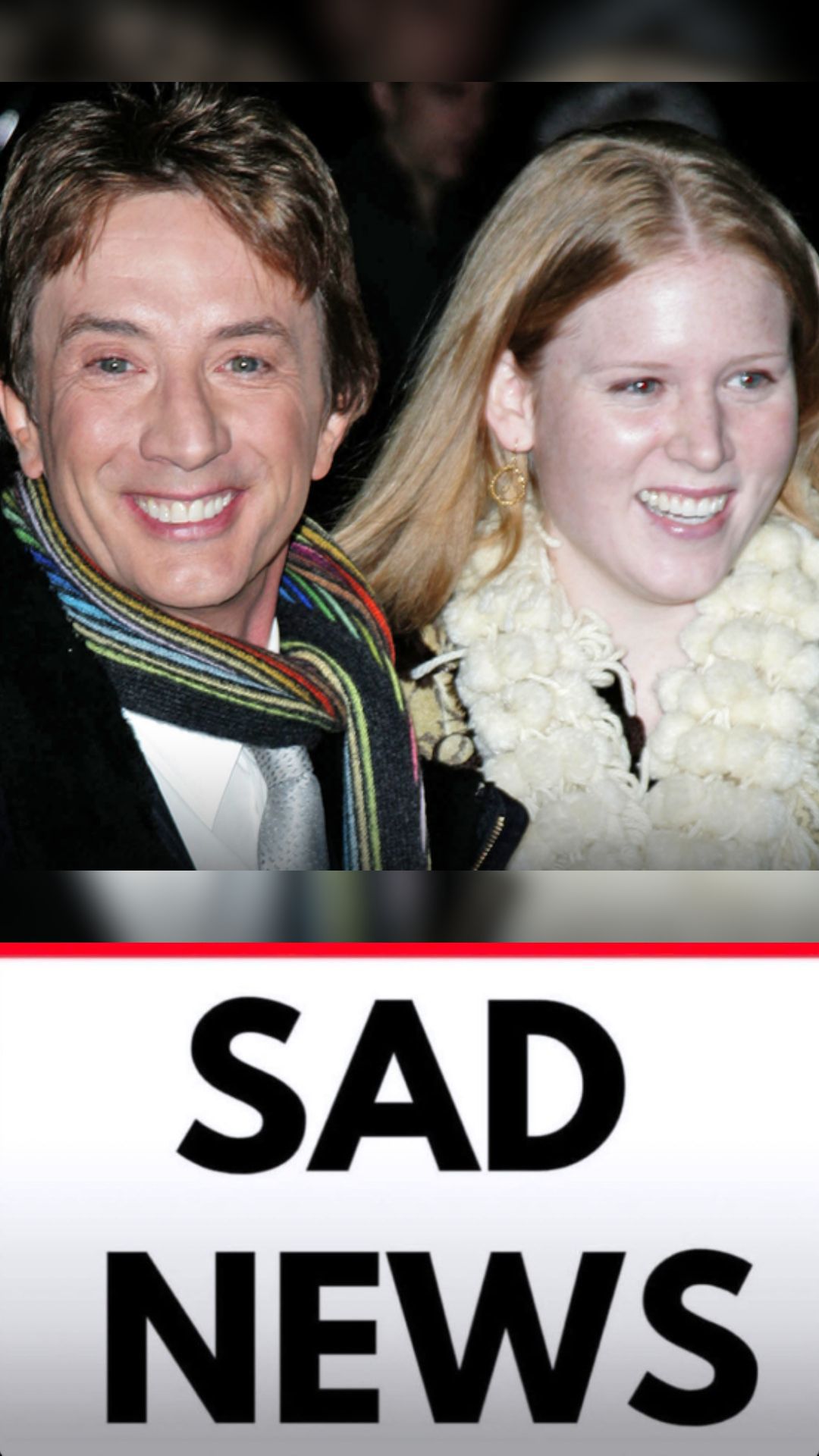
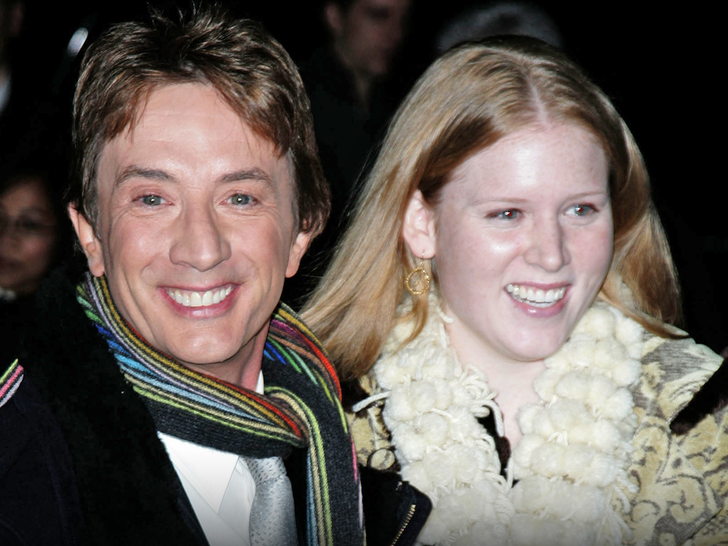
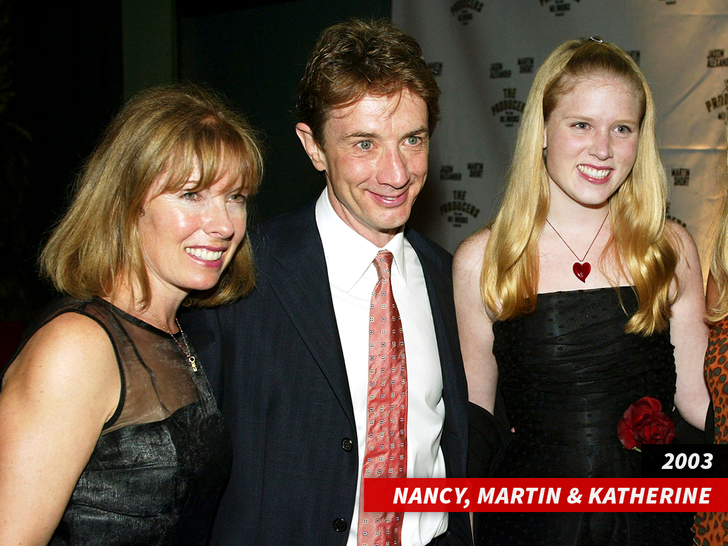
nancy martin katherine short sub getty

In the days following the announcement of Katherine Short’s death, tributes began pouring in from both the mental health community and the entertainment world. Though she lived largely outside the public spotlight, her passing carried weight because of her dedication to helping others and because of her connection to her father, Martin Short.

Friends described Katherine as thoughtful, intelligent, and deeply compassionate. She was known to listen more than she spoke, offering careful advice rather than dramatic reassurance. Colleagues from clinics and outreach programs remembered her as someone who treated each patient with dignity, regardless of background or diagnosis.

“She never made people feel like a case number,” one former coworker said. “She made them feel seen.”

Her professional path reflected a desire to build a life of purpose. After studying psychology and social work, Katherine focused her career on supporting people who were struggling with emotional and psychological challenges. Those close to her said she believed strongly in reducing stigma around mental illness and encouraging open conversation.

Ironically, her death revealed how even those trained to help others are not immune to suffering. Mental health professionals across the country reacted with heartbreak and introspection. Many spoke openly about burnout, emotional fatigue, and the pressure placed on therapists and social workers who absorb others’ pain daily.

“This is a reminder that caregivers also need care,” one clinician stated. “We cannot assume strength means immunity.”

The Family’s Grief

For Martin Short, the loss of his daughter reopened wounds that never fully healed after the death of his wife, Nancy Dolman, in 2010. The family had already endured one devastating loss to illness, and Katherine’s death deepened that tragedy.

Publicly, the family asked for privacy. Privately, sources close to them described a household stunned by grief. Friends said Martin was surrounded by family and longtime companions, including fellow performers who reached out immediately with condolences.

Despite being known for humor and joy, Martin Short has spoken in the past about grief as a permanent companion. He once described losing his wife as “a before and after moment” in his life. Now, with the loss of his daughter, many observed that his strength would again be tested.

Fans reacted with deep sympathy. Messages flooded social media from people who had followed his career for decades. Many expressed sorrow not only for the celebrity, but for a father who had lost a child.

“No parent should ever have to bury their child,” one fan wrote. “My heart breaks for him and his family.”

Public Reaction and Media Attention

News of Katherine’s death sparked intense discussion across online platforms. Some posts focused on her work in mental health, praising her compassion and intelligence. Others debated the pressures faced by children of famous parents and the expectations placed on them.

Mental health advocates used the moment to encourage people to seek help and to remind the public that suicide is often linked to untreated or hidden emotional struggles. They urged media outlets to report responsibly and avoid sensationalism.

Importantly, many emphasized that Katherine should be remembered not for how she died, but for how she lived.

“She was more than a tragedy,” one advocate wrote. “She was a professional, a daughter, a sister, and a human being who cared deeply about others.”

The Hidden Struggles of Helpers

One of the most painful questions raised by Katherine’s death was how someone trained in mental health care could still feel overwhelmed. Experts explained that knowledge does not eliminate pain. Therapists and social workers often experience what is known as “secondary trauma,” absorbing the stress and grief of those they serve.

Over time, this emotional weight can accumulate. Without strong support systems, professionals may struggle in silence.

LAPD and the fire department responded to her Hollywood Hills home Monday, shortly after 6:40 PM PT, where she was found deceased.
A representative tells TMZ … “It is with profound grief that we confirm the passing of Katherine Hartley Short. The Short family is devastated by this loss, and asks for privacy at this time. Katherine was beloved by all and will be remembered for the light and joy she brought into the world.”
Katherine — the daughter of Short and Nancy Dolman, Martin’s wife of 30 years who passed away in 2010 of ovarian cancer — worked as a social worker in Los Angeles after receiving her bachelor’s degree from NYU and her master’s in social work from USC several years later.

“Katherine’s death forces us to confront a difficult truth,” said one psychiatrist. “Compassion fatigue is real, and we don’t talk about it enough.”

Her story became a symbol of the urgent need for better support networks for those working in mental health professions.

A Community in Reflection

Memorial gatherings were held quietly among friends and colleagues. Candles were lit, and stories were shared about her kindness and dedication. Rather than focusing on her final moments, many chose to honor her commitment to helping others heal.

Several organizations announced they would dedicate upcoming mental health campaigns in her memory. One nonprofit released a statement saying, “Katherine Short’s life reminds us why we do this work — to bring light where there is darkness.”

In this way, her death became a catalyst for renewed advocacy and dialogue.
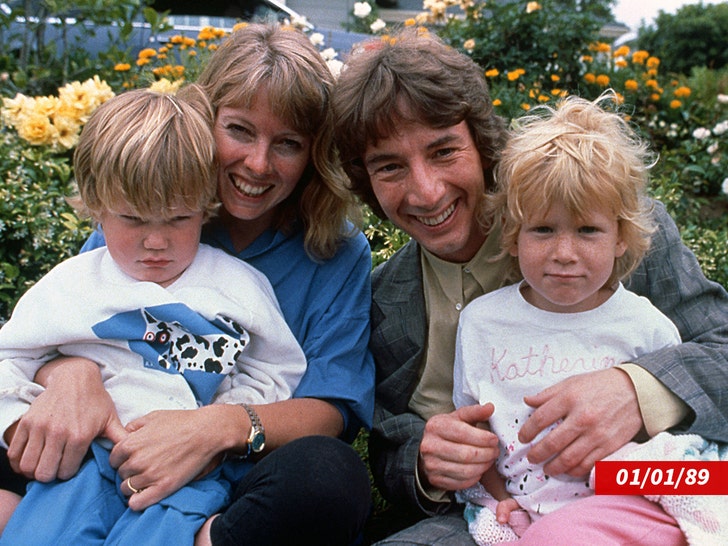
Katherine Elizabeth Short martin short

Katherine was involved with a nonprofit organization called Bring Change To Mind, which works to break down stigmas connected to mental health issues.
While her father is obviously very famous, Katherine mostly stayed out of the public eye … attending a few events with her father throughout the years. She was the eldest of Short’s three children

As the initial shock of Katherine Short’s death began to settle, a broader conversation emerged about how society treats mental health, grief, and the people who quietly work to heal others. Her life, though private, became a lens through which many examined their own understanding of suffering and compassion.

Remembering Katherine for Who She Was

Those closest to Katherine described her as deeply thoughtful, with a love for literature, animals, and long conversations. She avoided attention and valued authenticity. Friends said she preferred meaningful relationships over public recognition.

She was known to volunteer when she could, especially with organizations that worked to reduce stigma around mental illness. Her belief was simple: no one should feel ashamed for struggling.

“She wanted people to feel safe talking about what hurts,” one friend said.

In that sense, her legacy is not defined by tragedy but by purpose. She dedicated her life to listening when others felt unheard.

The Pain of Silence

One of the most heartbreaking aspects of her story is that many people did not know how much she was struggling. This reflects a common reality: individuals who appear strong and capable often hide their pain.

Mental health experts note that shame, fear of burdening others, and professional pressure can prevent people from seeking help. Katherine’s death illustrates how silence can become deadly.

“She helped so many people speak,” one colleague reflected. “But she may not have felt able to speak herself.”

This realization has prompted renewed calls for open conversation not only among patients, but among caregivers and professionals as well.

A Lesson for Families and Communities

Families who followed the news expressed both sorrow and fear. Parents imagined the unimaginable — losing a child. Others reflected on the importance of checking in with loved ones, even when nothing seems wrong.

Community leaders encouraged people to look beyond appearances and to offer compassion without judgment.

“We assume we know what someone is going through,” one counselor said. “But we rarely do.”

Katherine’s death became a reminder that suffering does not always look dramatic. It can exist quietly, behind smiles and professional success.

The Broader Cultural Impact

The story also raised questions about how society views suicide. Advocates urged the public to avoid blame and speculation, and instead focus on prevention and support.

They emphasized three main lessons:

  1. Mental illness can affect anyone, regardless of education or profession.

  2. Asking for help must be normalized, not stigmatized.

  3. Community support saves lives.

Many schools and organizations used the news to start conversations about mental health resources. Some employers reviewed wellness programs and counseling options for staff.

In this way, Katherine’s life — and death — became part of a larger effort to reduce silence around emotional suffering.

Martin Short’s Quiet Strength

Though Martin Short did not immediately make public appearances, those close to him described him as surrounded by family and friends. His career has always been rooted in bringing joy to others, and now many felt it was time for the world to return that care to him.

Colleagues spoke of his devotion as a father and the deep bond he shared with his children. They emphasized that behind the laughter of his performances was a man shaped by love and loss.

“He is not just a comedian,” one friend said. “He is a father who adored his daughter.”

The entertainment community largely respected his request for privacy, recognizing that grief is not meant for public display.

A Call to Compassion

Ultimately, Katherine Short’s story became a call to action: to listen more closely, to judge less quickly, and to recognize that emotional pain is not always visible.

Advocates stressed that the best way to honor her is to continue the work she believed in — helping people feel less alone.

Her death challenges society to rethink how it treats mental health professionals, how it talks about suicide, and how it supports those who are struggling quietly.

Final Reflection

Katherine Short lived a life devoted to empathy. She chose service over spotlight and care over recognition. Though her death was tragic, her life carried meaning.

She leaves behind a family in mourning, friends who loved her, and a professional community forever changed by her absence. More importantly, she leaves behind a reminder: that even those who heal others need healing themselves.

In remembering Katherine, the world is invited to choose compassion over silence and connection over isolation.

Her story is not only about loss. It is about the urgent need for kindness, understanding, and the courage to speak when pain feels overwhelming.

We last saw Katherine in January 2020 outside Craig’s … a world-famous restaurant in West Hollywood.
This is the second personal tragedy Short has felt in the last several weeks … having recently paid tribute to his longtime friend Catherine O’Hara after she passed away last month.
Short has comedy shows with Steve Martin scheduled for Friday in Milwaukee and Saturday in Minneapolis. Staff members for the theaters told us it’s unclear whether the shows will take place.

Her story also serves as a powerful reminder that societal awareness around mental health must continue to grow. Conversations about emotional wellbeing, self-care, and early intervention are not abstract—they can save lives. Katherine’s life illustrates the profound impact one person can have through compassion, dedication, and quiet service, even if their struggles remain largely unseen.

Communities, families, and institutions can honor her memory by strengthening support systems for those at risk, investing in mental health resources, and fostering environments where vulnerability is met with understanding rather than judgment. Her dedication to helping others, even while facing her own challenges, highlights the courage it takes to show empathy in a world often focused on performance, productivity, or appearances.

Ultimately, Katherine Short’s legacy is both personal and universal: a call to care for ourselves, to care for each other, and to remember that kindness, attention, and compassion can ripple far beyond what we ever imagine.

Katherine Short was 42.
Rest in Peace
Uncategorized

Post navigation

Previous Post: Rolling Stones frontman Mick Jagger has spoken out against
Next Post: From Tragedy to Trust: The Relationship That Changed Meryl Streep’s Life

Leave a Reply Cancel reply

Your email address will not be published. Required fields are marked *

Recent Posts

  • From Tragedy to Trust: The Relationship That Changed Meryl Streep’s Life
  • Katherine Short Dead at 42 — Tragic Loss Reverberates Through Family, Community, and Mental Health Circles
  • Rolling Stones frontman Mick Jagger has spoken out against
  • Mother’s mistake leads to 3-year-old daughter falling from 12th floor
  • Dashcam at Night: Why a $200,000 Medical Compensation Claim Was Dismissed in Court

Copyright © 2026 Best lifestory.

Powered by PressBook WordPress theme