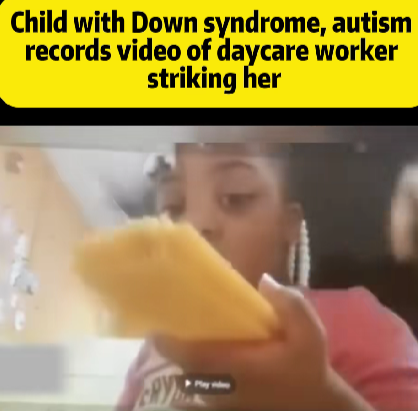
No parent should ever fear for their child’s safety in a place designed for care, learning, and growth. Schools, daycare centers, therapy programs, and specialized support facilities exist to nurture children, provide education, and help young minds thrive. These environments are supposed to be spaces where children feel safe, supported, and encouraged to develop their abilities.
Yet across the world, troubling stories continue to surface—stories that reveal how vulnerable children with disabilities sometimes face neglect, mistreatment, or even abuse in places meant to protect them.
These reports are not just isolated incidents. They represent a serious challenge within educational and caregiving systems. For families of children with special needs, the idea that harm could occur in trusted environments is deeply unsettling. When parents drop their child off at school or therapy, they are placing immense trust in the professionals who care for them.
That trust should never be broken.
For children with disabilities, the stakes are even higher. Many rely heavily on caregivers for communication, emotional regulation, and physical assistance. Their ability to speak up about mistreatment may be limited or misunderstood, which makes vigilance and accountability even more essential.
The responsibility to protect them does not belong to a single teacher or staff member—it belongs to entire communities.
Understanding the Unique Vulnerability of Children with Disabilities
Children with developmental differences such as Down syndrome, autism spectrum disorder, cerebral palsy, and other cognitive or physical conditions often experience the world in ways that differ from their peers. These differences can affect communication, sensory processing, emotional regulation, and social interaction.
Because of these challenges, many children with disabilities depend deeply on adults around them.
A teacher may help them communicate their needs.
A therapist may guide them through exercises that build motor skills.
A caregiver may assist with daily routines.
In these relationships, trust becomes the foundation for progress.
But that reliance also makes these children particularly vulnerable.
Some children may struggle to articulate when something feels wrong. Others may express distress through behaviors that are misunderstood by adults unfamiliar with their needs. A child might withdraw, become anxious, or display frustration—not because they are being “difficult,” but because they are experiencing discomfort or fear they cannot explain.
Experts say that this communication gap is one reason why mistreatment can sometimes go unnoticed for longer periods.
Dr. Melissa Hartman, a child development specialist, explains:
“Children with disabilities often depend on adults to interpret their signals. When those signals are ignored or misunderstood, it creates a dangerous situation where a child’s distress may be dismissed instead of investigated.”
This is why caregivers must approach their roles with extraordinary patience and empathy.
Every action, every word, and every interaction matters.
When Trust Is Broken
When a child with disabilities experiences neglect or abuse in a place meant to provide care, the emotional consequences can be profound.
The child may not fully understand what happened, but they often feel the impact deeply. Fear, confusion, and anxiety can linger long after the incident itself.
Families also carry the emotional weight of these experiences.
Parents who discover that their child was mistreated often experience guilt, anger, and heartbreak. They may question their decisions, wondering if they could have prevented the harm.
Many parents describe the betrayal as one of the most painful aspects of the situation.
They trusted the system.
They trusted the caregivers.
They trusted the environment.
And that trust was broken.
In some cases, the damage extends beyond emotional trauma. Children may regress in developmental progress they had worked hard to achieve. Skills learned through months or years of therapy may suddenly disappear as the child struggles to regain a sense of safety.
Rebuilding trust after such experiences takes time, patience, and support from trained professionals.
The Need for Stronger Safeguards
Preventing mistreatment requires more than good intentions—it requires systems designed to protect children at every level.
Many experts agree that stronger safeguards are essential in childcare and educational environments that serve children with disabilities.
One widely discussed solution is the use of cameras in common areas such as classrooms, therapy rooms, and hallways. Video monitoring can provide transparency, discourage misconduct, and offer valuable evidence if concerns arise.
Another important measure is comprehensive background checks for all staff members who interact with children. This process should include criminal record checks, employment history verification, and professional reference reviews.
But hiring qualified staff is only the beginning.
Continuous training is equally critical.
Caregivers must be educated not only about teaching strategies and therapy techniques but also about ethical conduct, emotional intelligence, and recognizing signs of distress in children who communicate differently.
Training programs can help staff understand how to respond to behavioral challenges without resorting to frustration or harmful disciplinary methods.
Creating a culture of compassion within institutions is key.
Every staff member—from teachers to administrators to support workers—must share the same commitment to protecting children.
Empowering Children to Communicate
Teaching children how to express discomfort or distress is another essential step toward prevention.
While some children with disabilities may have limited verbal communication, they can still learn ways to signal when something feels wrong.
This might involve simple phrases, visual communication boards, gestures, or technology-assisted speech devices.
For example, a child might learn to use a specific symbol to indicate “I feel unsafe” or “I need help.”
Parents, teachers, and therapists can work together to create communication systems tailored to each child’s abilities.
The goal is not perfection—it is empowerment.
Even a small ability to signal discomfort can make a life-changing difference.
Children who know they can communicate their feelings are more likely to seek help and less likely to feel isolated in difficult situations.
The Daily Challenges Families Already Face
Families raising children with special needs already navigate complex daily routines.
Their schedules may include therapy sessions, doctor’s appointments, educational planning meetings, and specialized care arrangements.
These responsibilities require time, energy, and emotional resilience.
Parents often become advocates, researchers, and coordinators all at once. They learn medical terminology, educational law, and therapy techniques simply to ensure their child receives the support they deserve.
Despite these efforts, many families still encounter barriers within systems not designed with accessibility in mind.
Resources may be limited.
Programs may have long waiting lists.
Support services may vary greatly depending on location.
Adding fear about a child’s safety in care environments only compounds these challenges.
Parents should never have to wonder whether their child will be treated with dignity.
Trust must be the standard, not the exception.
Awareness as a Powerful Tool
One of the most effective ways to protect children with disabilities is through awareness.
When communities openly discuss these issues, they create an environment where concerns are taken seriously rather than ignored.
Public awareness encourages institutions to maintain higher standards. It reminds staff members that accountability exists and that children’s well-being must always come first.
Awareness also empowers other caregivers and employees within institutions.
If a staff member witnesses inappropriate behavior toward a child, they must feel confident speaking up without fear of retaliation.
Whistleblower protections and clear reporting systems are essential to ensure that concerns are investigated promptly.
Silence allows harmful behavior to continue.
Transparency stops it.
The Role of Communities
Protecting vulnerable children is not solely the responsibility of schools or childcare centers—it is a collective effort.
Communities play an important role in supporting families and advocating for better systems.
Local organizations, parent groups, and disability advocacy networks can provide resources, guidance, and emotional support for families navigating these challenges.
Community involvement also helps hold institutions accountable.
Parents who share information, collaborate, and advocate together create powerful networks capable of driving change.
Through community action, policies can be strengthened, training programs improved, and protective measures expanded.
Change often begins with conversations.
Celebrating the Caregivers Who Do It Right
While stories of neglect or abuse are deeply concerning, it is equally important to recognize the countless educators, therapists, and caregivers who dedicate their lives to helping children with disabilities thrive.
These professionals demonstrate extraordinary patience and compassion every day.
They celebrate small victories—a new word spoken, a skill mastered, a moment of connection that once seemed impossible.
Their work often goes unnoticed by the wider world, yet it transforms lives.
A teacher who spends extra time helping a child learn to communicate.
A therapist who encourages a breakthrough in mobility.
A caregiver who offers comfort during a difficult moment.
These individuals represent the best of humanity.
They remind us that true care is not simply a job—it is a commitment to respect, dignity, and understanding.
Highlighting their contributions helps set the standard for what quality care should look like.
Reporting Concerns: Why Speaking Up Matters
If someone suspects mistreatment of a child with disabilities, speaking up can make a critical difference.
Many cases of abuse come to light because a concerned individual noticed something unusual and decided to report it.
Signs of potential mistreatment may include sudden behavioral changes, unexplained injuries, withdrawal, or reluctance to attend certain places.
While these signs do not always indicate abuse, they should never be ignored.
Authorities, child protection services, and disability advocacy organizations exist to investigate concerns and ensure children’s safety.
Even small reports can prevent larger tragedies.
Acting quickly allows professionals to intervene before situations worsen.
Silence protects no one.
Action protects children.
Building a Future of Protection and Respect
Ensuring the safety of children with disabilities requires continuous effort.
Policies must evolve.
Training must improve.
Communities must remain vigilant.
But progress is possible.
By strengthening safeguards, empowering children to communicate, supporting families, and celebrating compassionate caregivers, societies can create environments where every child feels safe and valued.
Children with disabilities deserve the same opportunities as any other child—to learn, grow, explore, and experience joy without fear.
Protection is not simply a legal obligation.
It is a moral responsibility.
A Shared Responsibility
Every child, regardless of ability, deserves to be treated with dignity and kindness.
Their differences should never be viewed as limitations but as unique aspects of the diverse human experience.
Protecting them requires empathy, vigilance, and a willingness to speak out when something is wrong.
Parents, educators, policymakers, and community members all share this responsibility.
When people stand together to protect vulnerable children, they create a world where trust can flourish again.
And in that world, every child—no matter their abilities—can grow knowing they are valued, respected, and safe.
@news09712