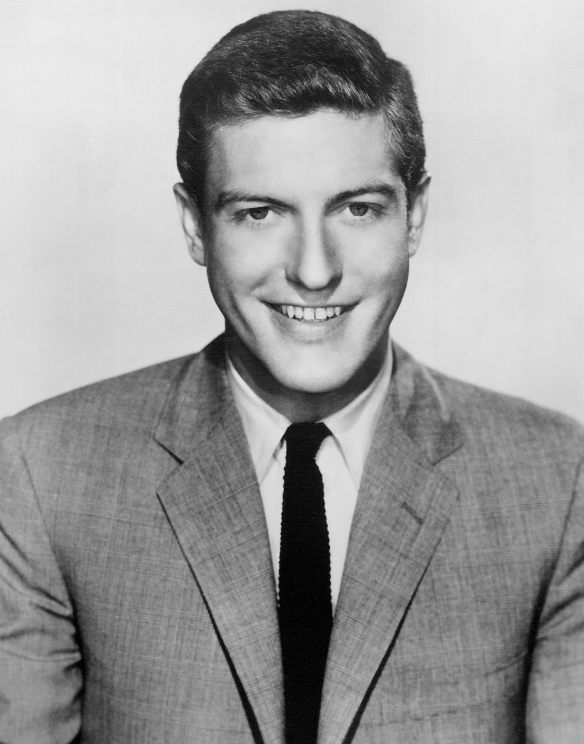
Early Life, Family Roots, and the Road to Entertainment (1925–1959)


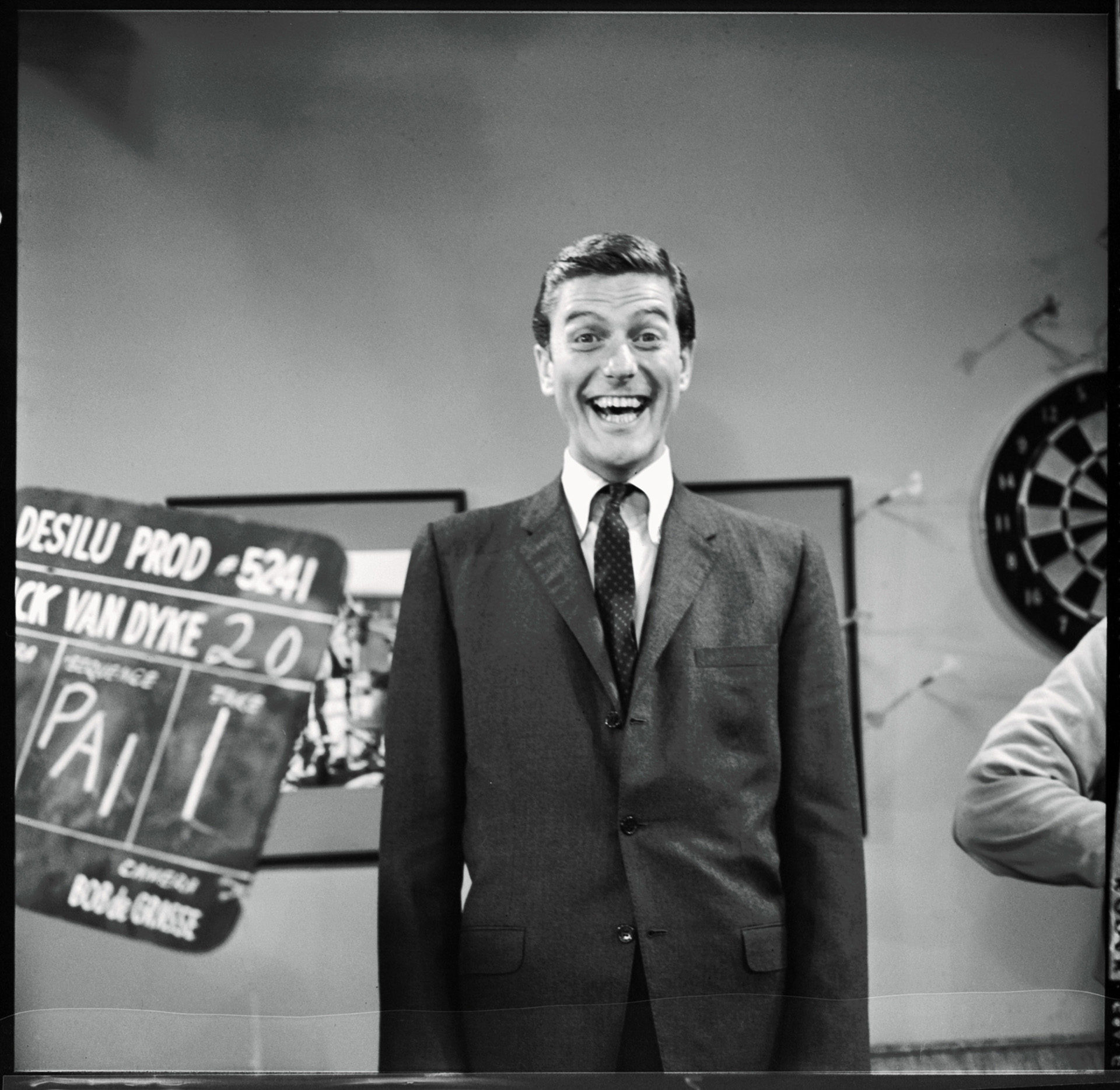
Growing up during the Great Depression shaped Van Dyke’s outlook on life. Money was often tight, but the Van Dyke household was rich in humor, storytelling, and imagination. Dick’s father worked as a salesman, while his mother was a stenographer. Despite the challenges of the era, the family maintained a lively atmosphere where laughter was never in short supply.
Dick shared his childhood with his younger brother, Jerry Van Dyke, who would later follow him into the world of entertainment as a successful comedian and actor in his own right. The two brothers were close and frequently entertained their family with improvised sketches and comedic routines. Those early performances around the living room planted the seeds of a career that would eventually span more than seven decades.
From an early age, Dick showed an unusual fascination with radio. In the 1930s and 1940s, radio was the dominant form of entertainment in American homes, and young Dick would sit for hours listening to comedy programs, music broadcasts, and dramatic serials. The voices he heard sparked his imagination. Soon he began mimicking announcers, comedians, and actors, delighting friends and family with his impressions.
By the time he reached high school in Danville, Dick had discovered that performing came naturally to him. He participated in school productions and quickly developed a reputation as someone who could make people laugh effortlessly. His sense of timing, expressive face, and natural physicality made him stand out.
Van Dyke originally considered entering the ministry and becoming a preacher. In fact, he once seriously contemplated attending theological school. However, his love for performing gradually pulled him in another direction. The thrill of entertaining audiences and the joy of bringing laughter to others proved too strong to ignore.
The outbreak of World War II altered the course of life for many young Americans, including Dick Van Dyke. In 1944, he enlisted in the U.S. Army Air Forces. Due to his background in radio and performance, he was assigned as a radio announcer and entertainer within the military. Rather than flying combat missions, Van Dyke spent much of his service performing for troops and helping boost morale.
These wartime performances proved to be invaluable training. Standing in front of audiences of soldiers, often in challenging conditions, helped him refine his stage presence and comedic instincts. It also reinforced his belief that laughter could be powerful even in the darkest of times.
After the war ended in 1945, Van Dyke returned to civilian life determined to pursue a career in entertainment. Like many aspiring performers of the era, he began wherever he could find work. His first jobs included working as a radio disc jockey and announcer at local stations in Illinois.
Radio provided him with a platform to experiment with voices, characters, and comedic timing. Though the pay was modest, the experience helped him develop the confidence and professionalism needed to move forward in the industry.
In the late 1940s and early 1950s, Van Dyke formed a comedy partnership with a friend named Phil Erickson. Together they created a pantomime and comedy act called The Merry Mutes. Their performances relied heavily on physical comedy, exaggerated expressions, and clever timing—skills that would later become central to Van Dyke’s signature style.
The duo toured nightclubs, theaters, and small venues across the country. Audiences quickly warmed to Van Dyke’s energetic presence and infectious enthusiasm. His lanky frame and expressive movements made him particularly effective at slapstick and physical humor.
Eventually, the act found opportunities on early television variety programs. Television was still a relatively new medium in the 1950s, but it was rapidly becoming America’s favorite form of entertainment. Van Dyke’s natural charisma translated well to the screen.
By the mid-1950s, he had begun appearing regularly on television game shows, variety programs, and comedy segments. These appearances helped him build recognition and connections within the entertainment industry.
Although success did not come overnight, the foundation of his career had been firmly established. Years of performing in small venues, working in radio, and entertaining troops had sharpened his talents.
What Van Dyke possessed—beyond skill—was an unmistakable warmth that audiences immediately recognized. His humor never felt forced or cynical. Instead, it came from a place of genuine joy.
That authenticity would soon open the door to the breakthrough opportunity that changed his life forever.
Stardom, Classic Television, and Hollywood Success (1960–1970s)


Van Dyke played Albert Peterson, a mild-mannered songwriter navigating the chaos surrounding a fictional teen idol’s military draft. His performance blended humor, charm, and musical talent in a way that captivated audiences.
Critics praised his physical comedy, expressive dancing, and natural comedic timing. The performance earned him the Tony Award for Best Featured Actor in a Musical, instantly elevating him from a rising talent to a recognized star.
The success of Bye Bye Birdie also opened doors in television. Not long afterward, legendary comedy writer and performer Carl Reiner began developing a new sitcom centered on the life of a television comedy writer. The show would eventually become The Dick Van Dyke Show, and Van Dyke was chosen for the lead role.
Premiering in 1961, the series followed Rob Petrie, a comedy writer working on a fictional television variety program while balancing life at home with his wife Laura. The character was loosely based on Reiner’s own experiences in the television industry.
At first, the show struggled with ratings, but critics loved its sharp writing and sophisticated humor. Over time, audiences caught up, and it became one of the most beloved sitcoms in television history.
Van Dyke’s portrayal of Rob Petrie showcased his remarkable versatility. He could deliver witty dialogue with perfect timing, perform elaborate physical comedy routines, and shift seamlessly between workplace satire and heartfelt family moments.
A major part of the show’s success was his on-screen partnership with Mary Tyler Moore, who played Laura Petrie. Their chemistry was warm, natural, and groundbreaking for television at the time. Instead of portraying a stiff or overly idealized marriage, their relationship felt real, playful, and affectionate.
The show also featured memorable supporting performances from actors such as Rose Marie, Morey Amsterdam, and Carl Reiner himself. Together, the cast created a dynamic ensemble that kept audiences laughing week after week.
During its five-season run from 1961 to 1966, The Dick Van Dyke Show won numerous awards and critical acclaim. Van Dyke himself received multiple Primetime Emmy Awards for his performance.
Even today, the series is often cited as one of the greatest sitcoms ever produced.
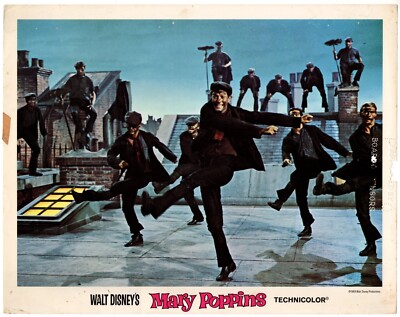
While conquering television, Van Dyke also began building a successful film career. His most iconic movie role arrived in 1964 when he starred as Bert, the cheerful chimney sweep, in Disney’s Mary Poppins.
Opposite Julie Andrews in her film debut, Van Dyke brought exuberance and playful energy to the musical fantasy. His character sang, danced, and guided audiences through the magical streets of London.
Songs such as “Chim Chim Cher-ee,” “Step in Time,” and “Supercalifragilisticexpialidocious” became instant classics. Van Dyke’s energetic rooftop dance sequence with fellow chimney sweeps remains one of the most memorable musical numbers in film history.
Although his Cockney accent received some playful criticism over the years, his performance was widely loved for its warmth and joyful spirit.
Mary Poppins became one of Disney’s greatest successes and cemented Van Dyke’s place in Hollywood history.
He followed that triumph with another beloved musical fantasy: Chitty Chitty Bang Bang in 1968. In the film, he played eccentric inventor Caractacus Potts, who transforms a magical car into a flying adventure machine for his children.
The movie featured elaborate musical numbers, imaginative storytelling, and family-friendly humor. Once again, Van Dyke’s charisma carried the film, making it a favorite among young audiences.
By the late 1960s, Dick Van Dyke had achieved something rare in the entertainment industry. He was simultaneously a major television star, a respected Broadway performer, and a beloved Hollywood actor.
Few entertainers had managed to dominate all three mediums so successfully.
Even as the cultural landscape shifted during the 1970s, Van Dyke continued to adapt and evolve. He starred in The New Dick Van Dyke Show from 1971 to 1974, which followed a television talk show host and his family.
While the show did not achieve the same legendary status as his earlier sitcom, it demonstrated that Van Dyke’s comedic instincts and charm remained as strong as ever.
More importantly, by this point he had already become one of America’s most recognizable entertainers—a performer whose smile and physical comedy could instantly brighten a room.
And yet, despite his fame, his story was far from finished.
Longevity, Personal Resilience, and a Lasting Legacy

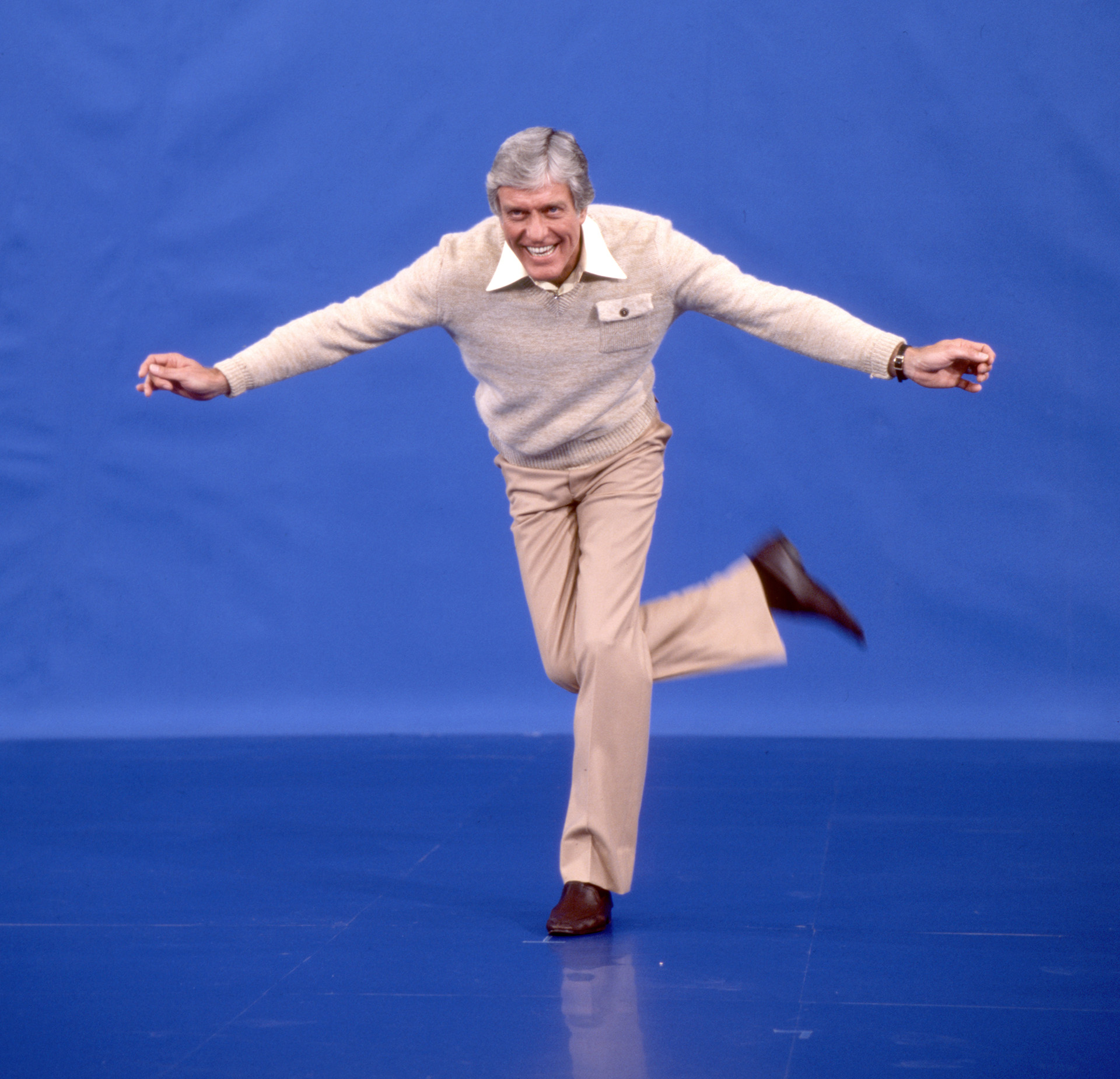

As the decades passed, Dick Van Dyke proved that true talent—and genuine enthusiasm for performance—could transcend age and changing entertainment trends.
During the 1980s and 1990s, he remained active in television and film, taking on a variety of roles that highlighted both his comedic strengths and his growing depth as an actor.
One of his most significant later-career successes arrived in 1993 with the television series Diagnosis: Murder. In the show, Van Dyke played Dr. Mark Sloan, a kindhearted physician who frequently assisted law enforcement in solving mysterious crimes.
The series ran for eight seasons, from 1993 to 2001, and became a popular fixture of American television. A special element of the show was the presence of Van Dyke’s real-life son, Barry Van Dyke, who portrayed Detective Steve Sloan.
Their on-screen father-son partnership added authenticity and warmth to the series, further endearing the show to viewers.
Diagnosis: Murder demonstrated that Van Dyke’s appeal extended far beyond traditional comedy. Audiences appreciated his ability to bring intelligence, empathy, and charm to the role.
Even after decades in the industry, he remained remarkably energetic. His expressive physicality and signature smile continued to light up the screen.
In the 2000s, Van Dyke made memorable appearances in modern films and television projects, proving that new generations of audiences could still fall in love with his work.
In 2006, he appeared in the adventure comedy Night at the Museum, playing Cecil, one of the mischievous museum guards involved in the film’s magical chaos. The role introduced him to younger viewers who may not have grown up watching his classic television shows.
More than a decade later, he returned to the world that had defined one of his greatest achievements.
In 2018, Van Dyke made a delightful cameo in Mary Poppins Returns, the long-awaited sequel to the original 1964 film. His appearance as Mr. Dawes Jr.—the son of the elderly banker he had played in the original movie—was a nostalgic moment that thrilled audiences.
Even in his nineties, Van Dyke displayed the same lively energy that had defined his career. In one scene, he famously jumped onto a desk and danced, proving that his physical comedy skills had not faded with time.
Throughout his career, Van Dyke accumulated numerous prestigious awards and honors. These accolades reflected not only his talent but also the enormous impact he had on entertainment.
Among his many achievements are:
• Five Primetime Emmy Awards for outstanding television performances
• A Tony Award for his Broadway success in Bye Bye Birdie
• A Grammy Award recognizing his musical contributions
• The Screen Actors Guild Life Achievement Award in 2013
• The Kennedy Center Honor in 2021, one of the highest cultural distinctions in the United States
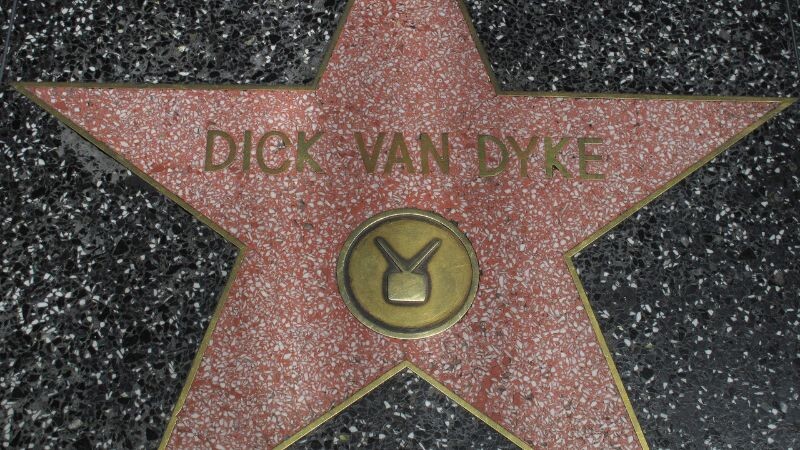
His star on the Hollywood Walk of Fame stands as a symbol of a career defined by joy, creativity, and extraordinary longevity.
Beyond his professional achievements, Van Dyke has also been admired for his honesty about personal struggles. He has spoken openly about overcoming alcoholism earlier in his life and about the importance of self-reflection and perseverance.
Rather than hiding those challenges, he has used them as opportunities to encourage others.
Equally notable is his commitment to staying physically active and mentally engaged. Even in his later years, Van Dyke frequently appeared dancing, exercising, and participating in public events with remarkable enthusiasm.
He often credits his longevity to a simple philosophy: keep moving.
“Keep moving—that’s the secret,” he once famously said. “The minute you stop, you’re old.”
That outlook has become an inspiration for countless fans who admire not only his talent but also his optimistic approach to life.
For more than seventy years, Dick Van Dyke has represented something rare in entertainment: pure, genuine joy. His performances have never relied on cynicism or cruelty. Instead, they celebrate humor, kindness, and the simple pleasure of making people laugh.
From dancing across the rooftops of London as Bert, to writing jokes in a television writers’ room as Rob Petrie, to solving mysteries as Dr. Mark Sloan, his characters have always shared a sense of warmth and humanity.
Few performers have managed to remain beloved across multiple generations. Van Dyke is one of the rare exceptions.
His legacy is not only measured in awards or iconic roles, but in the smiles he has brought to millions of people around the world.
For audiences who grew up watching him—and for those discovering his work today—Dick Van Dyke remains a living reminder that laughter, kindness, and creativity truly never grow old.
Influence, Cultural Impact, and the Enduring Spirit of Dick Van Dyke
As Dick Van Dyke entered his later years, many might have expected him to slow down or quietly retire from public life. Instead, he continued to embrace creativity, movement, and performance with a level of enthusiasm that amazed fans and fellow entertainers alike. His energy became something of a cultural phenomenon, especially as he remained physically active and cheerful well into his nineties.
Van Dyke’s continued vitality turned him into an inspiration for people of all ages. Videos of him dancing, exercising, and even performing light comedic routines frequently circulated online, reminding audiences that joy and creativity do not have an expiration date. In interviews, he often joked that he felt younger than his age suggested, attributing his outlook to staying curious, keeping his body moving, and maintaining a sense of humor.
Younger generations began rediscovering his classic work through streaming platforms, where shows like The Dick Van Dyke Show found new audiences decades after their original broadcast. What surprised many viewers was how fresh the series still felt. The writing, character relationships, and physical comedy remained remarkably modern despite being produced in the early 1960s.
Television historians often credit the show with helping redefine the sitcom format. Its blend of workplace comedy and domestic storytelling influenced countless series that followed. Programs about writers’ rooms, creative workplaces, and family life all borrowed elements from the structure pioneered by the series.
Van Dyke’s style of comedy also left a deep mark on performers who came after him. His ability to combine dialogue-driven humor with elaborate physical comedy inspired many actors and comedians. From pratfalls and exaggerated expressions to precisely timed slapstick, his performances demonstrated that comedy could be both intelligent and visually dynamic.
Many performers have cited him as an influence, particularly those who balance acting, dancing, and musical performance. His work proved that entertainers did not need to limit themselves to a single medium. Broadway, television, and film could all exist within the same career if one possessed the versatility and dedication to pursue them.
Beyond the stage and screen, Van Dyke became known for his generosity and community involvement. Throughout his life he supported various charitable organizations and causes, often using his public platform to promote arts education and opportunities for young performers.
He frequently spoke about the importance of creativity in everyday life, encouraging people to explore music, dance, and storytelling regardless of age or professional ambition. In his view, artistic expression was not just a career path—it was a vital part of human happiness.
Friends and colleagues often described him as one of the kindest individuals in the entertainment industry. Despite decades of fame, he maintained a reputation for humility and warmth. Those who worked with him frequently recalled his ability to lighten the mood on set, whether by telling jokes between takes or improvising playful moments during rehearsals.
His positive attitude was perhaps most visible during public appearances and interviews. Even when reflecting on difficult moments in his life—such as personal struggles or professional disappointments—he tended to approach those memories with honesty and humor.
Van Dyke often emphasized that success in entertainment should never come at the expense of joy. For him, the goal was always to bring laughter and optimism into people’s lives. That philosophy shaped nearly every role he accepted and every performance he delivered.
Over the years, numerous documentaries and retrospectives have celebrated his achievements. These programs frequently highlight how unusual his career path has been. Few actors remain culturally relevant for as long as he has, and even fewer maintain the same cheerful spirit throughout such a long journey.
The entertainment industry is known for rapid change and shifting trends, yet Van Dyke’s work has proven remarkably timeless. His performances continue to resonate because they tap into universal themes—family, friendship, curiosity, and the simple joy of laughter.
For many fans, his characters feel almost like old friends. Rob Petrie’s playful charm, Bert’s magical optimism, and Dr. Mark Sloan’s compassionate intelligence represent qualities that audiences admire and aspire to.
Perhaps the most remarkable aspect of Van Dyke’s story is that his legacy is not defined solely by his past achievements. Even in advanced age, he continued to engage with fans, participate in interviews, and occasionally appear in entertainment projects.
His presence serves as a reminder that creativity is not confined to youth. Instead, it can grow richer and more meaningful with experience.
In an era when many public figures are remembered primarily for a single role or moment in time, Dick Van Dyke stands apart as a performer whose entire life reflects the spirit of entertainment.
His journey—from a small-town boy fascinated by radio to a beloved icon of stage, television, and film—illustrates the power of perseverance, passion, and optimism.
For more than seventy years, audiences around the world have laughed with him, sung along with his performances, and admired his seemingly boundless energy.
And long after the final curtain falls, the laughter he created will continue to echo through the history of entertainment.
Few artists can truly claim to have made the world brighter simply by being themselves.
Dick Van Dyke is unquestionably one of them.