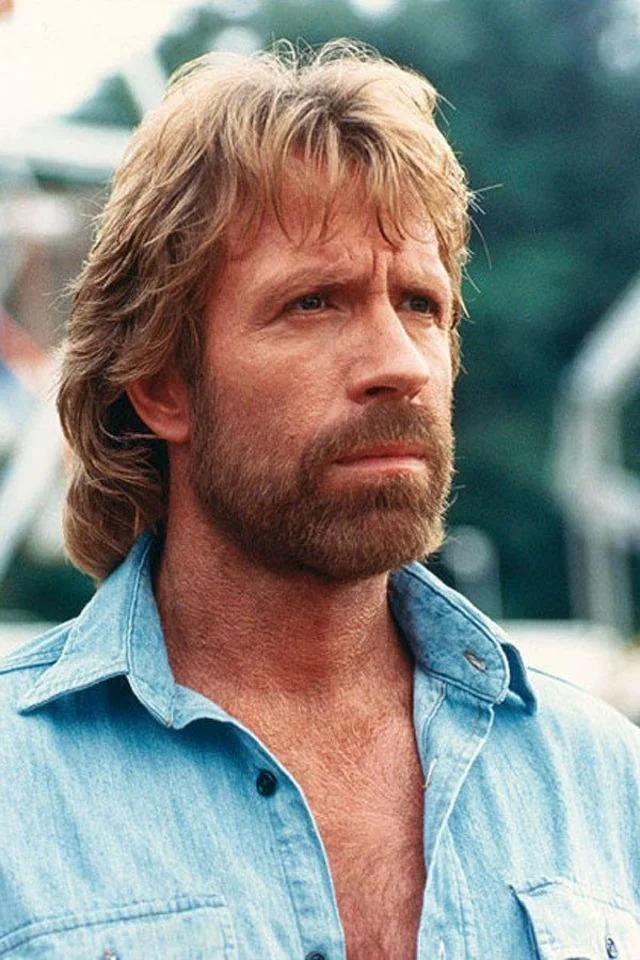
The world has bid farewell to one of its most enduring action heroes. Chuck Norris, the martial artist, actor, and cultural phenomenon whose name became synonymous with strength, discipline, and resilience, has died at the age of 86. His passing marks not only the loss of a Hollywood legend but also the closing chapter of a life that inspired millions across generations.
For decades, Norris stood as a towering figure in martial arts and entertainment, seamlessly blending real combat expertise with cinematic storytelling. His career spanned film, television, and even internet culture, making him one of the rare personalities who remained relevant across multiple eras.
His family confirmed his death in a heartfelt statement, expressing both grief and gratitude for the life he lived. “He lived with faith, purpose, and unwavering dedication to those he loved,” the statement said. “He inspired millions through his strength, discipline, and kindness.”
Behind the powerful screen presence was a deeply devoted family man. To his loved ones, Norris was far more than an icon. He was a husband, father, grandfather, and the emotional center of their lives. His daughter described him as a man whose outward toughness concealed a heart full of warmth and compassion.
Early Life and Humble Beginnings
Chuck Norris was born Carlos Ray Norris on March 10, 1940, in Ryan, Oklahoma. His early years were far removed from the fame and success that would later define his life. Raised in a modest household, Norris experienced financial hardship and personal challenges, including his parents’ divorce.
As a young man, he did not initially stand out as a future star or martial arts champion. By his own admission, he was shy and lacked direction during his teenage years. However, everything began to change when he enlisted in the United States Air Force as a teenager.
His military service proved to be a turning point. While stationed in South Korea, Norris was introduced to martial arts—a discovery that would shape the rest of his life. What began as curiosity quickly evolved into passion and discipline.
Rise in Martial Arts
Norris immersed himself in training, dedicating countless hours to mastering techniques and developing his skills. Over time, he earned black belts in multiple disciplines, including karate, taekwondo, tang soo do, Brazilian jiu-jitsu, and judo.
His dedication paid off in the competitive arena. During the 1960s, Norris became one of the most accomplished martial artists in the world, winning numerous championships and gaining recognition for his technical precision and mental focus.
Not content with simply mastering existing styles, Norris went on to develop his own martial arts system known as Chun Kuk Do. This philosophy-based discipline emphasized not only physical techniques but also personal growth, respect, and moral strength.
His success in martial arts laid the foundation for his transition into entertainment, but at the time, he had not yet envisioned a career in Hollywood.
Breakthrough in Film
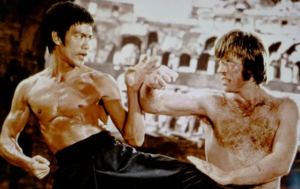
Norris’s entry into the film industry came through a chance encounter with martial arts legend Bruce Lee. The two developed a mutual respect, and Lee invited Norris to appear in his 1972 film The Way of the Dragon.
In the film, Norris played Colt, a formidable opponent who faces Lee in a climactic battle set in the Roman Colosseum. The fight scene became one of the most iconic moments in martial arts cinema history.
Norris later recalled a lighthearted conversation with Lee during filming, in which he jokingly asked who would win the fight. Lee’s response—“I win, I’m the star of the movie”—highlighted both the humor and the understanding between the two fighters.
Although Norris’s character ultimately loses, the role introduced him to a global audience and demonstrated his on-screen potential.
Building a Hollywood Career
Encouraged by friends, including actor Steve McQueen, Norris began to pursue acting more seriously. His early roles helped him refine his craft, and he gradually transitioned from martial artist to full-fledged action star.
His breakthrough as a leading man came with films such as Breaker! Breaker! (1977) and Good Guys Wear Black (1978). These movies showcased not only his fighting abilities but also his ability to carry a film.
Throughout the late 1970s and 1980s, Norris became a staple of the action genre. He starred in a series of films that combined intense fight sequences with themes of justice, patriotism, and moral clarity.
Among his most notable films were A Force of One, The Octagon, and An Eye for an Eye. He also appeared alongside legendary actors, further solidifying his place in Hollywood.
His roles often portrayed him as a lone hero—calm, composed, and unwavering in the face of danger. This persona resonated strongly with audiences, particularly during a time when action films were gaining widespread popularity.
Action Star of the 1980s
The 1980s marked the peak of Norris’s film career. He starred in several highly successful action films, including Missing in Action, Delta Force, and Code of Silence.
These movies cemented his reputation as one of the era’s defining action heroes. Unlike some of his contemporaries, Norris brought authentic martial arts expertise to his roles, giving his fight scenes a level of realism that audiences appreciated.
His characters often embodied traditional values such as honor, courage, and perseverance. This made him particularly محبوب among fans who admired strong, principled protagonists.
While critics sometimes dismissed his films as formulaic, audiences continued to embrace them, turning Norris into a household name.
Television Success: Walker, Texas Ranger
In the 1990s, Norris successfully transitioned to television with the hit series Walker, Texas Ranger. The show premiered in 1993 and ran until 2001, becoming one of the most محبوب action dramas of its time.
Norris played Cordell Walker, a Texas Ranger known for his strong sense of justice, moral integrity, and martial arts skills. The character perfectly aligned with Norris’s public image, further strengthening his connection with audiences.
The series combined crime-solving with action and often included moral lessons, setting it apart from other shows in the genre. It attracted a wide audience and remained popular throughout its run.
For many viewers, Walker, Texas Ranger became synonymous with Norris himself, solidifying his legacy in television as well as film.
Later Career and Appearances
Even as he aged, Norris remained active in the entertainment industry. He made a memorable cameo in the 2004 comedy Dodgeball: A True Underdog Story, showcasing his ability to laugh at his own image.
In 2012, he reunited with fellow action stars in The Expendables 2, appearing alongside Sylvester Stallone, Dolph Lundgren, and others. His presence in the film was celebrated by fans as a tribute to classic action cinema.
He was also involved in later projects, including the upcoming film Zombie Plane, demonstrating his continued interest in creative work.
Cultural Phenomenon: The Rise of “Chuck Norris Facts”
In the 2000s, Norris experienced an unexpected resurgence in popularity through internet culture. A series of humorous “Chuck Norris facts” spread rapidly online, exaggerating his strength and abilities to mythical levels.
These jokes portrayed him as an unstoppable force, capable of defying the laws of physics and logic. Examples included claims that he could count to infinity twice or that even dangerous animals could not harm him.
Rather than rejecting the memes, Norris embraced them with good humor. This willingness to engage with a new generation of fans helped maintain his relevance in a rapidly changing media landscape.
Personal Life and Values
Outside of his professional achievements, Norris was known for his strong personal values. He was a dedicated family man and maintained close relationships with his wife, children, and grandchildren.
He also promoted fitness and healthy living, founding martial arts schools and encouraging young people to develop discipline and confidence.
In addition, Norris was an outspoken supporter of conservative political causes, using his platform to advocate for issues he believed in.
Despite his fame, he remained grounded, often emphasizing faith, humility, and perseverance as guiding principles in his life.
Tributes and Legacy
Following news of his death, tributes poured in from across the world. Fellow actors, athletes, and public figures praised his contributions to both entertainment and martial arts.
Sylvester Stallone described him as “a great man” and recalled the enjoyment of working with him. Dolph Lundgren noted that he had always looked up to Norris as a role model.
Political leaders also paid tribute, highlighting his influence beyond Hollywood. Texas Governor Greg Abbott described him as a symbol of toughness, grit, and patriotism.
Fans, too, shared their memories and appreciation, reflecting on the impact Norris had on their lives through his films, television shows, and public persona.
Final Days and Family
Reports indicated that Norris had been hospitalized in Hawaii shortly before his passing. While details surrounding his death remain limited, his family emphasized that he passed away surrounded by love.
He is survived by his wife, Gena O’Kelley, and his children, who continue to honor his legacy.
His granddaughter shared an emotional tribute, acknowledging both the public legend and the private grandfather she knew. Her words echoed a sentiment felt by many—that the world had lost not just an icon, but a deeply loved individual.
A Lasting Impact
Chuck Norris leaves behind a legacy that extends far beyond his filmography. He helped popularize martial arts in Western media, inspired countless individuals to pursue discipline and fitness, and became a symbol of resilience and strength.
Few figures manage to transcend their original field to become cultural icons. Norris achieved this through a combination of talent, authenticity, and an enduring connection with audiences.
From his early days as a martial arts champion to his rise as a Hollywood star and later as an internet legend, his journey was one of constant evolution.
In the end, Chuck Norris was more than just an action hero. He was a symbol—of perseverance, integrity, and the power of dedication.
His story will continue to inspire future generations, ensuring that his legacy lives on long after his passing.
Influence on Martial Arts in the West
One of Chuck Norris’s most significant contributions extended beyond film and television—he played a crucial role in popularizing martial arts in the Western world. At a time when Eastern combat disciplines were still relatively unfamiliar to mainstream American audiences, Norris helped bridge that cultural gap.
Through both his competitive achievements and his on-screen performances, he introduced millions to the philosophy and discipline behind martial arts. Unlike purely fictional fighters, Norris brought authenticity. His techniques were rooted in years of real-world training, and audiences could sense the difference.
His influence encouraged a surge in martial arts schools across the United States during the 1970s and 1980s. Many young people who watched his films or television shows were inspired to begin training themselves. For them, Norris represented not just strength, but control, respect, and self-improvement.
His martial arts system, Chun Kuk Do, became a structured way for students to learn both physical techniques and moral values. The system emphasized personal honor, perseverance, and continuous growth—principles that reflected Norris’s own life philosophy.
Philosophy and Discipline
Central to Norris’s success was his unwavering commitment to discipline. Whether in martial arts, acting, or personal life, he believed in consistency and hard work.
He often spoke about the importance of mental strength alongside physical ability. In interviews and writings, he emphasized that true power comes from self-control, patience, and determination. These ideas resonated with fans who saw him not just as an action hero, but as a role model.
Norris also authored several books in which he shared his philosophy on life, fitness, and success. These works provided insight into the mindset that drove him throughout his career.
He believed that challenges were opportunities for growth and that setbacks should be met with resilience. This outlook helped him navigate both professional struggles and personal hardships.
Relationships with Other Legends
Throughout his career, Norris formed connections with many notable figures in the entertainment and martial arts worlds. His friendship with Bruce Lee remains one of the most celebrated relationships in martial arts history.
The mutual respect between the two men symbolized a blending of cultures and philosophies. Their famous fight scene in The Way of the Dragon was not just a cinematic moment—it was a meeting of two masters at the peak of their abilities.
Norris also maintained friendships with Hollywood stars such as Steve McQueen, who played a key role in encouraging him to pursue acting. McQueen recognized Norris’s potential and pushed him to take his talents beyond the dojo.
Later in his career, Norris worked alongside a new generation of action stars, including those in The Expendables franchise. These collaborations highlighted his enduring relevance and the respect he commanded across decades.
Transition from Fighter to Actor
The transition from martial artist to actor is not always easy, but Norris managed it with determination. Early in his acting career, he faced criticism for his limited range and stiff delivery. However, rather than being discouraged, he took these critiques seriously.
He worked to improve his acting skills, studying the craft and gaining experience with each role. Over time, he developed a more natural screen presence, allowing him to carry both action sequences and dramatic moments.
His growth as an actor mirrored his approach to martial arts—constant improvement through dedication and effort. This willingness to evolve helped sustain his career in a competitive industry.
The Appeal of His On-Screen Persona
Part of Norris’s enduring popularity can be attributed to his unique on-screen persona. Unlike some action stars who relied on humor or flamboyance, Norris projected calm authority.
His characters were often quiet, thoughtful, and decisive. They did not seek conflict but were always prepared to confront it when necessary. This approach gave his roles a sense of realism and moral clarity.
Audiences trusted his characters. They represented justice, fairness, and the triumph of good over evil. In a rapidly changing world, these themes provided comfort and inspiration.
Impact of Walker, Texas Ranger on Popular Culture
Walker, Texas Ranger was more than just a television show—it became a cultural touchstone. The series reinforced Norris’s image as a defender of justice and a symbol of traditional values.
The show’s success was due in part to its ability to combine action with storytelling that emphasized moral lessons. Each episode often highlighted themes such as integrity, responsibility, and compassion.
For many viewers, especially families, the show offered a rare blend of entertainment and positive messaging. It also introduced martial arts to a broader television audience, further expanding Norris’s influence.
Even years after its conclusion, the show continues to be remembered and referenced, demonstrating its lasting impact.
Business Ventures and Entrepreneurship
In addition to his work in entertainment, Norris pursued various business ventures. He founded martial arts schools and training programs, helping to formalize instruction and reach a wider audience.
He also became involved in fitness-related products and endorsements, promoting healthy lifestyles. His reputation for discipline and physical excellence made him a credible voice in this المجال.
These ventures allowed him to extend his influence beyond the screen and into everyday life, encouraging people to take control of their health and well-being.
Philanthropy and Community Work
Norris was also deeply committed to giving back to the community. One of his most notable contributions was the establishment of programs aimed at helping young people.
Through initiatives such as martial arts training programs for at-risk youth, he sought to provide guidance, structure, and positive role models. These programs emphasized discipline, respect, and self-confidence.
He believed that martial arts could be a powerful tool for personal transformation, particularly for those facing difficult circumstances. His philanthropic efforts reflected a genuine desire to make a difference.
Political Views and Public Advocacy
In addition to his work in entertainment and philanthropy, Norris was known for his political views. He was an outspoken supporter of conservative causes and often used his platform to express his opinions.
While his political stance sometimes sparked debate, it also demonstrated his willingness to stand by his beliefs. He approached these issues with the same conviction that defined other aspects of his life.
For many supporters, this authenticity further strengthened their admiration for him.
The Enduring Power of His Image
Even as trends in entertainment changed, Norris’s image remained powerful. He represented a timeless form of heroism—one rooted in strength, honor, and resilience.
The rise of internet culture introduced him to new audiences in unexpected ways. The “Chuck Norris facts” phenomenon transformed him into a larger-than-life figure, blending humor with admiration.
What made these jokes unique was that they were built on a foundation of respect. People exaggerated his abilities because his real-life accomplishments were already extraordinary.
A Symbol Across Generations
Few public figures manage to connect with multiple generations, but Norris achieved this rare distinction. Older audiences remembered his martial arts championships and classic films, while younger fans discovered him through television reruns and online culture.
This cross-generational appeal ensured that his legacy would endure long after his active career ended.
He became more than just an entertainer—he was a symbol that people could relate to in different ways depending on their experiences.
Reflections on Mortality and Legacy
As Norris grew older, he occasionally spoke about the importance of legacy. He emphasized that success should not be measured solely by fame or wealth, but by the impact one has on others.
His own life reflected this philosophy. Through his work, teachings, and personal example, he influenced countless individuals around the world.
His passing serves as a reminder of the enduring power of dedication and integrity. While his physical presence is gone, the values he represented continue to resonate.
Family and Personal Bonds
At the heart of Norris’s life was his family. Despite his busy career, he prioritized his role as a husband, father, and grandfather.
Those closest to him often described him as supportive, caring, and deeply committed to their well-being. These relationships grounded him and provided a sense of purpose beyond his professional achievements.
His family’s tributes following his death highlighted this الجانب of his life, offering a glimpse into the man behind the public image.
The Final Chapter
Although details surrounding his final days remain limited, it is clear that Norris’s life was defined by purpose and meaning until the end. Reports indicated that he had been receiving medical care prior to his passing, but his family emphasized the peace and love that surrounded him.
His death marks the conclusion of an extraordinary journey—one that began in humble circumstances and evolved into global recognition.
Remembering a Legend
In the days following his passing, fans around the world have shared stories, memories, and tributes. Social media has been filled with messages celebrating his life and achievements.
From iconic film scenes to memorable television moments and humorous internet memes, the many facets of Norris’s legacy continue to be revisited and appreciated.
Conclusion: A Life That Will Not Be Forgotten
Chuck Norris’s story is one of transformation, perseverance, and lasting impact. From a shy young man in Oklahoma to a world-renowned martial artist and Hollywood star, his journey was anything but ordinary.
He leaves behind a legacy defined not only by his accomplishments but also by the values he upheld. Strength, discipline, integrity, and compassion were the pillars of his life.
While the world mourns his passing, it also celebrates a life that inspired millions. His influence will continue to be felt in martial arts schools, film history, television culture, and even the humor of the internet.
In the end, Chuck Norris was more than a legend—he was a symbol of what can be achieved through dedication and belief in oneself.
And though he is gone, that symbol remains as powerful as ever.