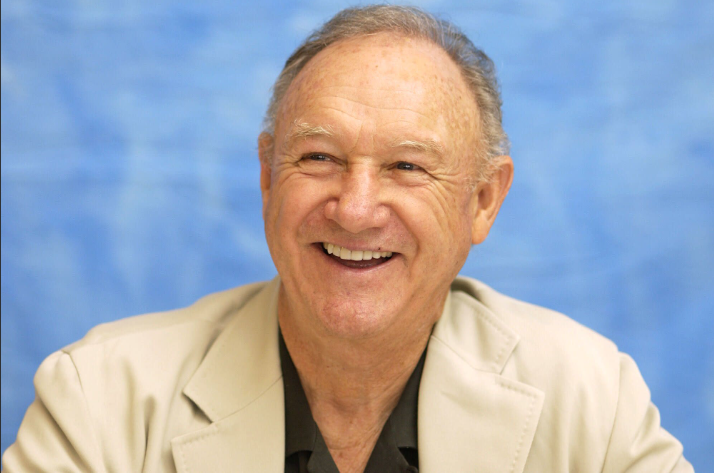
The deaths of legendary actor Gene Hackman and his wife, Betsy Arakawa, have left both the film world and the public grappling with a mixture of sorrow and reflection. Initially shrouded in mystery, the circumstances surrounding their passing prompted widespread speculation and concern. Now, with official findings released by New Mexico authorities, a clearer—but deeply poignant—picture has emerged.
Hackman, aged 95, died of heart disease, with advanced Alzheimer’s disease contributing to his decline. His wife, Arakawa, 65, passed away days earlier from hantavirus pulmonary syndrome, a rare but serious illness linked to rodent exposure. Together, their deaths tell a story not of sudden tragedy alone, but of isolation, vulnerability, and the quiet realities of aging.
Discovery at Their Santa Fe Home
The couple was found dead on February 26 at their residence in a gated community in Santa Fe, New Mexico. However, investigators quickly determined that both had likely died earlier in the month.
Authorities were initially called to the home under unclear circumstances, and what they encountered raised immediate questions. The couple, known for their intensely private lifestyle, had not been seen or heard from for days.
Inside the home, investigators found Hackman in a mudroom near the kitchen, with a cane and sunglasses nearby—details that suggested he may have been moving through the house shortly before his death. Arakawa was found elsewhere in the home, near a bathroom, with medications scattered on a nearby countertop.
The scene was unusual but showed no signs of violence or forced entry.
Medical Findings and Cause of Death
Following thorough autopsies, officials confirmed that Gene Hackman died of heart disease, with Alzheimer’s disease listed as a contributing factor. According to Chief Medical Investigator Dr. Heather Jarrell, Hackman was in a significantly weakened state of health.
“He had significant heart disease,” Jarrell stated, adding that his overall condition had deteriorated considerably.
Pacemaker data provided a crucial clue, indicating that Hackman likely died around February 18. This detail helped investigators establish a timeline and better understand the sequence of events.
Arakawa, meanwhile, is believed to have died earlier—around February 11. Her cause of death was identified as hantavirus pulmonary syndrome, a rare but often fatal disease.
Understanding Hantavirus
Hantavirus pulmonary syndrome is an uncommon but serious illness caused by viruses carried by rodents. In the United States, it is most often associated with deer mice, particularly in the Southwest.
The virus is typically transmitted to humans through contact with or inhalation of particles from rodent urine, droppings, or saliva. Poorly ventilated areas where rodents have been present can pose a significant risk.
Symptoms often begin with flu-like signs, including fever, muscle aches, and fatigue. As the illness progresses, it can lead to severe respiratory distress, with fluid accumulating in the lungs.
According to health officials, the mortality rate for hantavirus in the Southwest ranges between 38% and 50%, making it a particularly dangerous condition despite its rarity.
A Rare but Deadly Illness
In New Mexico, hantavirus infections are relatively uncommon. In 2024, only seven confirmed cases were reported statewide. Over the past 50 years, just 136 cases have been identified among residents.
Despite its rarity, the disease is taken very seriously due to its high fatality rate. Health experts emphasize the importance of avoiding exposure to rodent-contaminated environments, particularly in enclosed or poorly ventilated spaces.
In the case of Arakawa, investigators conducted a risk assessment of the property. While the main residence was considered low risk, evidence of rodent activity was found in other structures on the property.
The Timeline of Events
One of the most striking aspects of the case is the timeline. Arakawa is believed to have died several days before Hackman, leaving the elderly actor alone in the home.
Given Hackman’s advanced Alzheimer’s disease, investigators suggested that he may not have been fully aware of his wife’s condition or passing. This possibility adds a deeply tragic dimension to the story.
Dr. Jarrell noted that individuals with advanced Alzheimer’s can experience significant confusion and disorientation, making it difficult for them to understand or respond to their surroundings.
Hackman’s death, likely occurring about a week after his wife’s, may have been influenced not only by his existing health conditions but also by the absence of care and support.
The Absence of Care
Investigators found no evidence of a caretaker present in the home. This detail has raised questions about how the couple managed daily life, particularly given Hackman’s health challenges.
There was no indication that anyone had been regularly checking on them, and their private lifestyle may have contributed to the delay in discovering their deaths.
This aspect of the case highlights the risks associated with isolation, especially for elderly individuals with serious health conditions.
Conditions Inside the Home
During their search, authorities discovered medications for blood pressure and thyroid issues, as well as over-the-counter drugs like Tylenol. Some pills were found scattered near where Arakawa’s body was located.
Hackman’s stomach was empty at the time of his death, suggesting he had not eaten recently. However, there was no clear evidence of dehydration.
The home itself showed no signs of gas leaks or carbon monoxide exposure. Tests confirmed that both individuals were negative for carbon monoxide, ruling out one possible cause of death.
The Family’s Privacy
Throughout the investigation, officials emphasized the couple’s desire for privacy. Sheriff Adan Mendoza noted that Hackman and Arakawa were known for keeping their personal lives out of the public eye.
“I think everybody here understands that they were very private individuals and a very private family,” Mendoza said.
This preference for privacy, while understandable, may have contributed to the delayed discovery of their deaths.
The Loss of a Beloved Actor
Gene Hackman was one of the most respected actors of his generation. Over the course of his career, he appeared in numerous films and earned critical acclaim for his performances.
He won two Academy Awards, including one for his role in “The French Connection” and another for “Unforgiven.” His work spanned decades, and his versatility made him a standout figure in Hollywood.
Hackman retired from acting years before his death, choosing to live a quiet life away from the spotlight.
Tributes from the Film Community
Following the announcement of his death, tributes poured in from across the entertainment industry. Fellow actors, directors, and fans remembered Hackman not only for his talent but also for his dedication to his craft.
At the Academy Awards, actor Morgan Freeman paid tribute to Hackman, highlighting both his achievements and his humility.
“He received two Oscars, but more importantly, he won the hearts of film lovers all over the world,” Freeman said.
A Life Beyond Fame
In his later years, Hackman largely withdrew from public life. He focused on personal interests, including writing, and enjoyed a quieter existence with his wife.
This transition from public figure to private individual reflects a broader theme in the lives of many artists—the desire to step away from the spotlight and embrace a more personal way of living.
The Human Side of the Story
While much attention has been given to Hackman’s career, the circumstances of his and Arakawa’s deaths highlight the human side of their story.
This was not just the loss of a celebrated actor, but also the loss of a husband and wife who shared decades together. Their deaths, occurring days apart, underscore the deep connection they had in life.
Broader Implications
The case also raises broader questions about aging, healthcare, and social support. It serves as a reminder of the importance of checking in on loved ones, particularly those who may be vulnerable.
Isolation can have serious consequences, and ensuring that individuals have access to care and support is essential.
The Complexity of Aging in Isolation
The circumstances surrounding the deaths of Gene Hackman and Betsy Arakawa bring into focus a deeply important issue: the challenges of aging in isolation. While the couple lived in a gated community, suggesting a level of security and comfort, their situation highlights how physical proximity to others does not always guarantee meaningful support or regular human interaction.
For elderly individuals—especially those dealing with cognitive decline such as Alzheimer’s disease—daily life can become increasingly difficult without assistance. Routine tasks, medication management, and even basic awareness of surroundings may require support. In Hackman’s case, his advanced Alzheimer’s raises the possibility that he was unable to fully comprehend or respond to the situation after his wife’s passing.
This kind of isolation can lead to tragic outcomes, not because of neglect in a deliberate sense, but because of a lack of consistent oversight. It serves as a reminder that aging individuals, particularly those with medical conditions, often require not just independence but structured support systems.
Alzheimer’s Disease and Its Impact
Alzheimer’s disease is a progressive neurological condition that affects memory, thinking, and behavior. As it advances, individuals may lose the ability to recognize loved ones, understand their environment, or make decisions about their own care.
In advanced stages, patients often require full-time supervision. They may struggle with basic functions such as eating, mobility, and communication. The disease can also affect awareness, meaning a person may not recognize emergencies or understand what is happening around them.
Dr. Heather Jarrell’s statement that Hackman may not have been aware of his wife’s death underscores the severity of his condition. It suggests a level of cognitive impairment that would have made it extremely difficult for him to seek help or respond appropriately.
This aspect of the case adds a profound layer of tragedy, emphasizing not only physical decline but also the loss of awareness and connection.
Hantavirus: A Silent Threat
While much attention has been given to Hackman’s health, Betsy Arakawa’s cause of death introduces another critical element: the danger of rare infectious diseases like hantavirus.
Hantavirus pulmonary syndrome is not widely known, yet it carries a high mortality rate. Its symptoms often begin in a way that resembles common illnesses—fever, fatigue, and muscle aches—which can delay recognition and treatment.
As the disease progresses, it can rapidly become life-threatening, causing severe respiratory distress. Without prompt medical intervention, patients can deteriorate quickly, sometimes within 24 to 48 hours after symptoms worsen.
In Arakawa’s case, the timeline suggests that the illness advanced rapidly. The possibility that she collapsed suddenly, as described by investigators, aligns with the known progression of severe hantavirus infections.
Environmental Factors and Risk
The presence of hantavirus on the property raises questions about environmental conditions and exposure risks. While the main residence was deemed low risk, other structures showed signs of rodent activity.
This distinction is important. Even in well-maintained homes, surrounding areas such as sheds, garages, or storage spaces can become habitats for rodents. If these areas are not regularly cleaned or ventilated, they can pose a health risk.
Public health officials emphasize the importance of preventive measures, such as sealing entry points, maintaining cleanliness, and using protective equipment when cleaning areas that may contain rodent droppings.
The case serves as a reminder that even rare diseases can have serious consequences when exposure occurs.
The Role of Routine Check-Ins
One of the most striking elements of this story is the apparent absence of routine check-ins. In situations where individuals are elderly or dealing with health issues, regular contact—whether from family, friends, or caregivers—can make a significant difference.
A simple phone call, visit, or wellness check can help identify problems early and prevent situations from escalating. In this case, such contact might have led to earlier intervention, potentially altering the outcome.
This highlights the importance of maintaining connections, particularly for those who live in relative isolation.
The Emotional Weight of the Timeline
The timeline of events carries a heavy emotional weight. The idea that Arakawa died first, followed by Hackman days later, creates a narrative that is both tragic and deeply human.
Their lives were intertwined, and in death, they were separated by only a short period. This sequence underscores the bond they shared while also emphasizing the vulnerability that can arise when one partner is no longer able to support the other.
It is a reminder of how closely connected lives can be, particularly in long-term relationships.
Reflections on Privacy and Independence
Gene Hackman and Betsy Arakawa were known for valuing their privacy. After years in the public eye, Hackman chose to step away from the spotlight, embracing a quieter life.
This decision reflects a desire for independence and personal space, something many people seek as they grow older. However, the case also illustrates the potential challenges of balancing independence with the need for support.
Privacy can sometimes lead to reduced visibility, making it harder for others to recognize when help is needed. Finding the right balance between autonomy and connection is a complex but important aspect of aging.
Public Reaction and Reflection
The news of their deaths prompted widespread reflection among the public. Many people expressed sadness not only at the loss of a beloved actor but also at the circumstances in which the couple was found.
The story resonated because it touches on universal themes—aging, companionship, health, and the passage of time. It encourages people to think about their own lives and the well-being of those around them.
Such moments often lead to broader conversations about how society supports its aging population.
Lessons for Communities
Communities play a crucial role in supporting individuals, particularly those who may be vulnerable. Neighbors, local organizations, and community services can all contribute to a network of care.
Simple actions—such as checking in on neighbors or being attentive to changes in routine—can have a meaningful impact. In many cases, it is these small acts of awareness that help prevent larger tragedies.
The story of Hackman and Arakawa highlights the importance of community engagement and mutual care.
The Intersection of Fame and Vulnerability
Despite his fame and success, Gene Hackman’s final days reflect a universal truth: no one is immune to the challenges of aging and health decline. Fame does not eliminate vulnerability.
This contrast between public recognition and private reality is striking. It reminds us that behind every public figure is a human being with the same needs and challenges as anyone else.
In this sense, the story transcends celebrity and becomes something more broadly relatable.
Remembering Betsy Arakawa
While much attention is focused on Hackman, it is equally important to remember Betsy Arakawa. She was not only his wife but also a central figure in his life for many years.
Her passing, particularly under such difficult circumstances, deserves recognition. She was part of a partnership that spanned decades, and her role in Hackman’s life was significant.
Acknowledging her story adds depth and balance to the narrative.
A Quiet Ending
The circumstances of their deaths stand in contrast to the public life Hackman once led. There were no dramatic scenes, no public farewells—just a quiet ending in the privacy of their home.
This simplicity, while tragic, also reflects the life he chose in his later years. It was a life removed from the spotlight, focused on personal rather than public experiences.
The Importance of Awareness Around Rare Illnesses
One of the lesser-discussed aspects of this case is the role that rare illnesses like hantavirus play in public health. Because such diseases are uncommon, they often go unnoticed in everyday conversations about safety and wellness.
However, their rarity does not diminish their severity. In fact, it can make them more dangerous, as people may not recognize the risks or symptoms early enough. In regions where hantavirus is present, awareness becomes a critical line of defense.
Public health officials consistently emphasize education as a key tool in prevention. Understanding how these viruses are transmitted, recognizing early symptoms, and knowing when to seek medical attention can significantly improve outcomes.
The case of Betsy Arakawa serves as a stark reminder that even rare conditions can have devastating consequences when exposure occurs.
Subtle Warning Signs and Missed Signals
In many health-related incidents, there are often subtle warning signs that may go unnoticed or be dismissed. Early symptoms of hantavirus—such as fatigue, fever, and muscle aches—can easily be mistaken for more common illnesses.
Similarly, individuals with chronic conditions like heart disease or Alzheimer’s may experience gradual declines that are difficult to track without regular monitoring. In Hackman’s case, his deteriorating health was known, but the absence of immediate support may have limited the ability to respond effectively to sudden changes.
These factors highlight the importance of attentiveness to even minor changes in health. Early recognition and response can make a significant difference, particularly in vulnerable populations.
The Emotional Impact on Fans
For many people, Gene Hackman was more than just an actor—he was a familiar presence whose work had been part of their lives for decades. News of his passing, especially under such circumstances, carried an emotional weight that extended beyond the immediate facts.
Fans often form deep connections with the figures they admire, associating them with memories, moments, and experiences. Learning about the quiet and somewhat tragic nature of his final days can evoke feelings of sadness and reflection.
At the same time, it also encourages appreciation for the body of work he left behind. His performances continue to bring enjoyment and meaning to audiences, ensuring that his presence endures in a different way.
The Role of Emergency Preparedness in the Home
Another takeaway from this case is the importance of emergency preparedness within the home. While it is impossible to anticipate every situation, certain measures can help reduce risk and improve response times.
For elderly individuals or those with medical conditions, this might include having emergency contact systems, regular wellness checks, or access to caregivers. Ensuring that communication devices are easily accessible and functional can also be crucial.
In addition, maintaining a safe living environment—free from hazards such as rodent infestations or structural issues—can help prevent health risks like those associated with hantavirus.
Preparedness is not about eliminating all danger, but about being ready to respond effectively when challenges arise.
A Broader Reflection on Caregiving
The situation also brings attention to the broader topic of caregiving. As populations age, the need for reliable and accessible care becomes increasingly important.
Caregiving can take many forms, from professional services to support from family and friends. Regardless of the approach, the goal is to ensure that individuals receive the assistance they need to maintain their health and well-being.
In cases where caregiving is absent or inconsistent, the risks can increase significantly. This underscores the importance of planning, communication, and support networks.