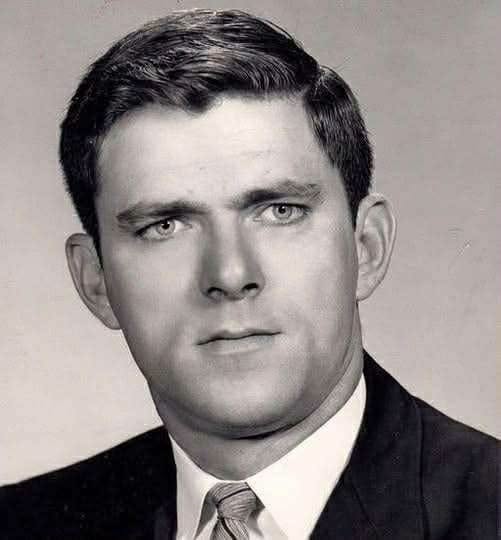
Phil Donahue’s power was never just in asking questions. It was in making ordinary people feel they had a right to ask them too. He brought strangers, experts, and the wounded into the same room and refused to let anyone look away. That made his show more than entertainment; it became a civic ritual, a place where discomfort was the point and listening was the test.
That legacy matters now because we live in an age that rewards noise over understanding. Donahue’s real lesson was simple but hard: stay in the room, let the answer land, and don’t rush past the pain. He proved that a microphone can be a bridge instead of a weapon. If his absence feels so large, it is because he gave people something rare — a public space where being heard still meant something.