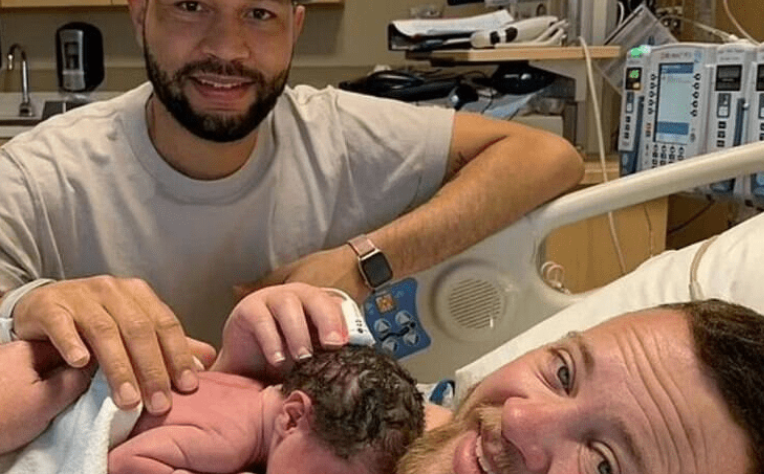
Using someone’s chosen name and pronouns is not simply a matter of courtesy. It is one of the most direct, meaningful ways to affirm who they are. In everyday life, that respect can shape whether a person feels seen or dismissed. In healthcare settings, where patients are often at their most vulnerable, it matters even more. Yet traditional assumptions about gender still influence how medical professionals speak and act. That was the experience of Bennett Kaspar-Williams, a transgender man who gave birth to his son, Hudson, in 2020. Although he was open about his identity and his medical records clearly reflected that he is male, he was repeatedly referred to as “mother” during his scheduled C-section. What should have been one of the happiest days of his life became layered with frustration and emotional strain.
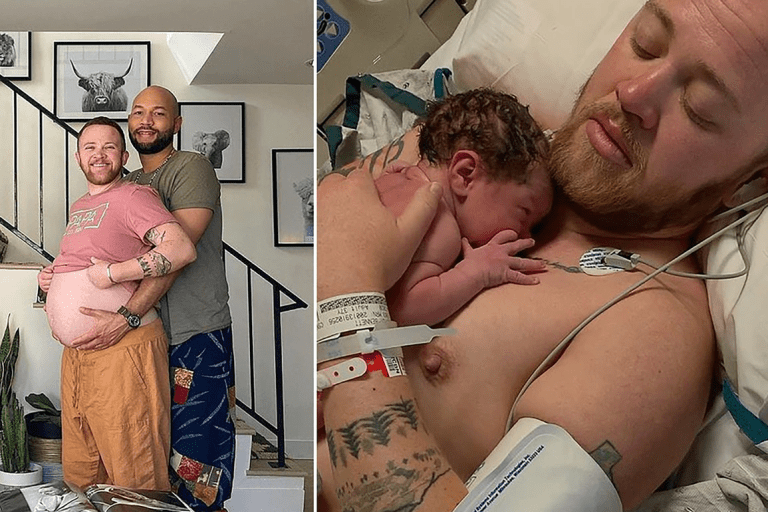
Bennett first realized he was transgender in 2011. Like many people who come to understand their identity later in life, that recognition brought both clarity and challenges. In 2014, he began his transition. He underwent top surgery, a step that helped align his physical appearance with his identity. However, he chose not to pursue bottom surgery. That personal decision meant he retained the biological capacity to carry a pregnancy. Years later, when he and his partner began talking about building a family, that fact became significant. For them, the choice to have a child was grounded in love and intention. Bennett’s ability to carry the pregnancy was simply the most practical path to parenthood.
The pregnancy itself was meaningful and deeply wanted. Bennett has been clear that carrying his son was not a source of shame. Instead, the most difficult part of the journey was the language used around him. Throughout prenatal appointments and ultimately during the delivery, he was often addressed as “mom” or “mother.” Even when staff members were corrected, those gendered terms resurfaced. In a moment as intense and vulnerable as surgery, hearing himself repeatedly labeled in a way that contradicted his identity was painful. For Bennett, it was not about semantics. It was about recognition. Being misgendered during such a pivotal life event created feelings of dysphoria, a psychological discomfort that arises when a person’s gender identity is not acknowledged or is invalidated.
Bennett has emphasized that pregnancy is a biological process, not a gender identity. In his view, carrying a child did not redefine who he was. He did not see himself as a woman because he was pregnant. He saw himself as a man who happened to use his body’s capabilities to bring his child into the world. That distinction is central to his message. Society often equates childbirth exclusively with womanhood. Yet Bennett’s experience challenges that assumption. Not all women give birth, and not everyone who gives birth is a woman. Recognizing that reality does not diminish anyone else’s experience of motherhood; it simply broadens the understanding of what families can look like.
His story gained attention in part because it highlighted a broader issue within healthcare systems. Medical professionals are trained to care for diverse populations, yet institutional habits and traditional language can lag behind social change. Intake forms, hospital wristbands, and routine phrases often default to gendered terminology. For transgender patients, that default can feel isolating. Bennett has said that even small adjustments, such as asking patients how they would like to be addressed, can make a significant difference. Respectful language does not require complex policy shifts. It requires awareness and willingness.
Bennett’s experience is not unique. In 2019, another transgender man, Freddy McConnell, gave birth to his child in the United Kingdom. Freddy later shared his journey in a documentary that reached a wide audience and sparked international conversation. Like Bennett, Freddy had transitioned and was living openly as a man. When he decided to have a child, the decision was rooted in practicality rather than ideology. He wanted to be a parent, and using his own body was the most direct way to make that happen. For Freddy, pregnancy was not about redefining gender. It was about fulfilling a personal dream.
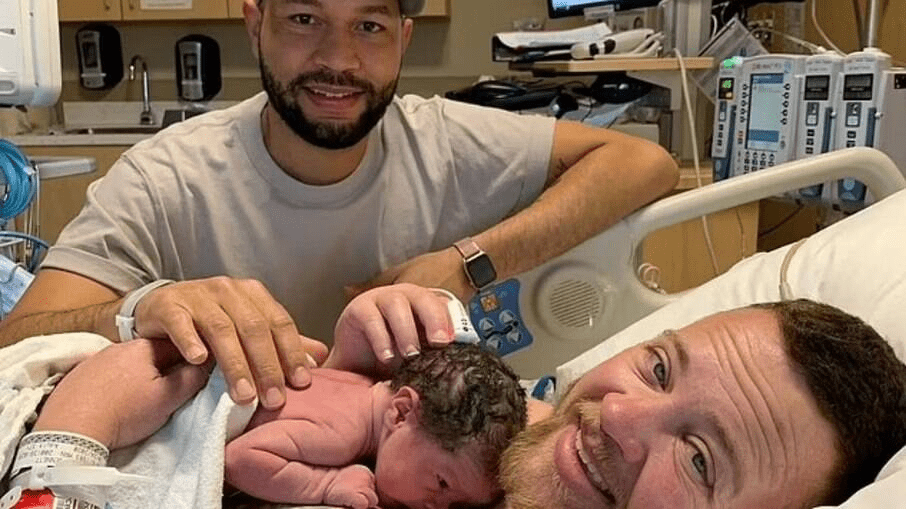
Freddy’s experience with his medical team differed in important ways. He has spoken about feeling supported and respected during his pregnancy and delivery. Healthcare providers used appropriate language and acknowledged his identity. That support made a tangible difference. Instead of feeling erased, Freddy felt affirmed. His childbirth experience, though physically demanding like any other, became empowering rather than alienating. The contrast between Bennett’s and Freddy’s experiences illustrates how much impact respectful care can have. The biological process may be similar, but the emotional environment can change everything.
Today, both Bennett and Freddy are raising their children with pride. Bennett identifies as “dad” and has expressed how meaningful that title is to him. He once described the strength he feels in being able to say he is a father who created his own child. For him, fatherhood is not diminished by the fact that he carried the pregnancy. If anything, it deepens his sense of connection. He looks forward to the day Hudson is old enough to understand his birth story. Bennett believes that growing up with that knowledge will help normalize diverse family structures and teach his son the value of authenticity.
Freddy shares a similar sense of pride. He has spoken about wanting his child to grow up understanding that families are built on love, not rigid definitions. Both men challenge the idea that parenthood must fit into traditional categories. In many cultures, the words “mother” and “father” carry strong symbolic meaning. Yet at their core, those roles are about nurturing, protection, and responsibility. Bennett and Freddy demonstrate that those qualities are not confined to any single gender expression. They show that a father can be the person who carries the pregnancy, just as a mother can be someone who does not.
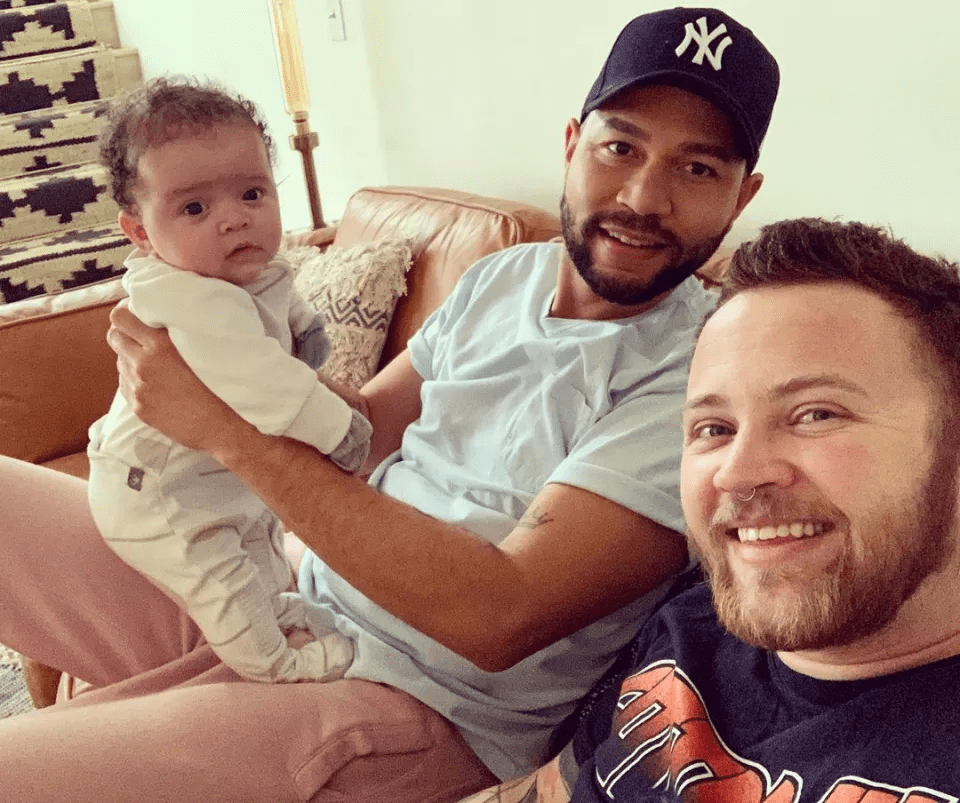
Their stories have broader social implications. By speaking publicly, they invite conversations about how institutions, including healthcare systems, can evolve. Language shapes perception. When hospitals and clinics default to assumptions, they risk alienating patients who already face barriers to care. Research has shown that transgender individuals often delay or avoid medical treatment due to fear of discrimination or misunderstanding. Creating inclusive environments is not only a matter of courtesy; it is a matter of public health. When patients feel respected, they are more likely to seek care, share accurate information, and engage in follow-up treatment.
At the same time, these stories remind us that change often begins with individual voices. Bennett did not set out to become a symbol. He simply wanted to welcome his son into the world. Yet by sharing what happened, he has helped others articulate similar experiences. Freddy’s documentary similarly opened space for discussion about how society defines motherhood and fatherhood. Neither man argues that traditional families are invalid. Instead, they advocate for expanding the lens so that more families can be seen and respected.
Ultimately, the journeys of Bennett Kaspar-Williams and Freddy McConnell underscore a simple truth: respect begins with language, but it does not end there. It extends into policy, practice, and everyday interaction. Parenthood is about commitment, sacrifice, and love. It is about showing up for a child day after day. Whether someone is called “mom,” “dad,” or another title entirely, what matters most is the care they provide. As Bennett and Freddy raise their children, they embody a broader vision of family—one that makes room for authenticity and compassion. The future of parenthood is not confined to outdated expectations. It is shaped by love in its most genuine and inclusive form.
One of the most important aspects of Bennett Kaspar-Williams’ experience is how it reveals the gap between policy and practice. Many healthcare institutions today include statements about inclusivity and patient-centered care, yet those values are not always reflected in everyday interactions. The difference often lies not in intent, but in habit. Medical professionals are trained within systems that have long relied on gendered assumptions, and even well-meaning providers may fall back on familiar language without realizing the impact. For patients like Bennett, these moments are not minor slips. They accumulate, shaping the emotional reality of an experience that is already physically and psychologically intense.
This highlights a broader issue about how institutions evolve. Change rarely happens all at once. It requires continuous effort, reflection, and a willingness to adapt practices that have been in place for decades. In healthcare, where precision and routine are essential, even small adjustments can feel significant. Yet Bennett’s story demonstrates that these adjustments are not only possible, but necessary. Asking a patient how they identify, using the correct name and pronouns, and ensuring that records reflect that information are relatively simple steps. However, their impact can be profound, influencing whether a patient feels respected, understood, and safe.
The emotional dimension of childbirth adds another layer to this discussion. For many people, giving birth is one of the most vulnerable experiences they will ever go through. It involves trust—trust in the medical team, in the environment, and in the process itself. When that trust is disrupted by language that does not align with a patient’s identity, it can create a sense of disconnection at a moment when connection is most needed. Bennett’s experience illustrates how even a planned and medically supervised procedure can carry unexpected emotional weight when that alignment is missing.
At the same time, his story also shows the strength required to navigate such situations. Despite the challenges he faced, Bennett has been clear that his focus remained on the arrival of his son. That perspective does not minimize the difficulties he encountered, but it does highlight his resilience. He was able to hold onto the significance of the moment—the birth of his child—while also recognizing the ways in which the experience could have been improved. This balance between acknowledgment and appreciation is a powerful aspect of his narrative.
Freddy McConnell’s experience, by contrast, provides a glimpse of what inclusive care can look like in practice. The support he received from his medical team did not change the physical demands of pregnancy or childbirth, but it transformed the emotional context. Being addressed correctly, having his identity recognized, and feeling seen within the healthcare system allowed him to approach the experience with confidence rather than discomfort. This contrast between two real-life journeys underscores the importance of environment in shaping outcomes, not just physically, but emotionally.
These stories also challenge the way society defines roles within a family. The traditional framework of “mother” and “father” is deeply rooted in cultural norms, but it does not fully capture the diversity of modern families. Bennett and Freddy’s experiences expand that framework, showing that parenting is not limited by the circumstances of birth. The act of caring for a child—providing love, stability, and guidance—is what ultimately defines those roles. By identifying as fathers, they are not rejecting the significance of childbirth, but reframing it within the context of their own identities.
As more people share similar experiences, the conversation around gender, identity, and parenthood continues to evolve. This evolution is not about replacing one definition with another, but about creating space for multiple realities to coexist. It acknowledges that while traditional models remain meaningful for many, they are not the only valid expressions of family life. This broader understanding allows for greater inclusion, ensuring that individuals do not have to choose between their identity and their desire to build a family.
The role of education in this process is significant. Medical training programs, for example, have an opportunity to incorporate more comprehensive discussions about gender diversity and inclusive care. By preparing future healthcare providers to recognize and respect different identities, these programs can help bridge the gap between policy and practice. Similarly, public awareness plays a crucial role. The more people understand about experiences like Bennett’s and Freddy’s, the more likely they are to approach such situations with empathy and openness.
It is also important to recognize that change can sometimes be uncomfortable. Challenging long-held assumptions often requires people to rethink familiar concepts, which can lead to uncertainty or resistance. However, stories like these provide a human context that can make those changes easier to understand. They move the conversation away from abstract ideas and into real-life experiences, showing how inclusive practices can make a tangible difference in people’s lives.
Ultimately, the journeys of Bennett Kaspar-Williams and Freddy McConnell are about more than individual experiences. They reflect a broader shift in how society understands identity, language, and belonging. They remind us that respect is not a fixed concept, but one that evolves as our understanding deepens. And they show that even in systems as structured as healthcare, there is always room for growth.
As these conversations continue, one thing becomes increasingly clear: the way we speak to and about others has the power to shape their experiences in profound ways. By choosing language that affirms rather than assumes, that recognizes rather than overlooks, we contribute to an environment where more people can feel seen and valued. In moments as significant as childbirth, that recognition is not just meaningful—it is essential.
And in that sense, Bennett’s story is not only about a single experience, but about the ongoing effort to create a world where every person’s identity is acknowledged, respected, and understood.