
A disturbing criminal investigation in the Florida Keys has attracted national attention after authorities said a teenage girl managed to call 911 while allegedly being held against her will inside a Key Largo residence. When deputies reached the property, they reportedly found the girl hidden inside a clothes dryer, leading to the arrest of a 53-year-old man and the opening of a broader investigation involving allegations of kidnapping, interference with child custody, unlawful sexual activity with a minor and possible counterfeit currency. The unusual circumstances surrounding the girl’s discovery quickly spread across national and local news outlets, but behind the shocking headline is a serious case involving a young person, an emergency request for help and allegations that must now be examined through the criminal justice system.

According to authorities, deputies with the Monroe County Sheriff’s Office were sent to a home on Miramar Drive in Key Largo at approximately 11:45 a.m. on Sunday, June 21, after receiving a 911 call from a teenage girl. During the call, the girl reportedly said that she was being held hostage or otherwise prevented from leaving the residence. Deputies arrived at the property and began searching for her. They eventually located her inside a clothes dryer in the home. Investigators have not publicly released the teenager’s name, an appropriate decision given her age and the sensitive allegations involved.
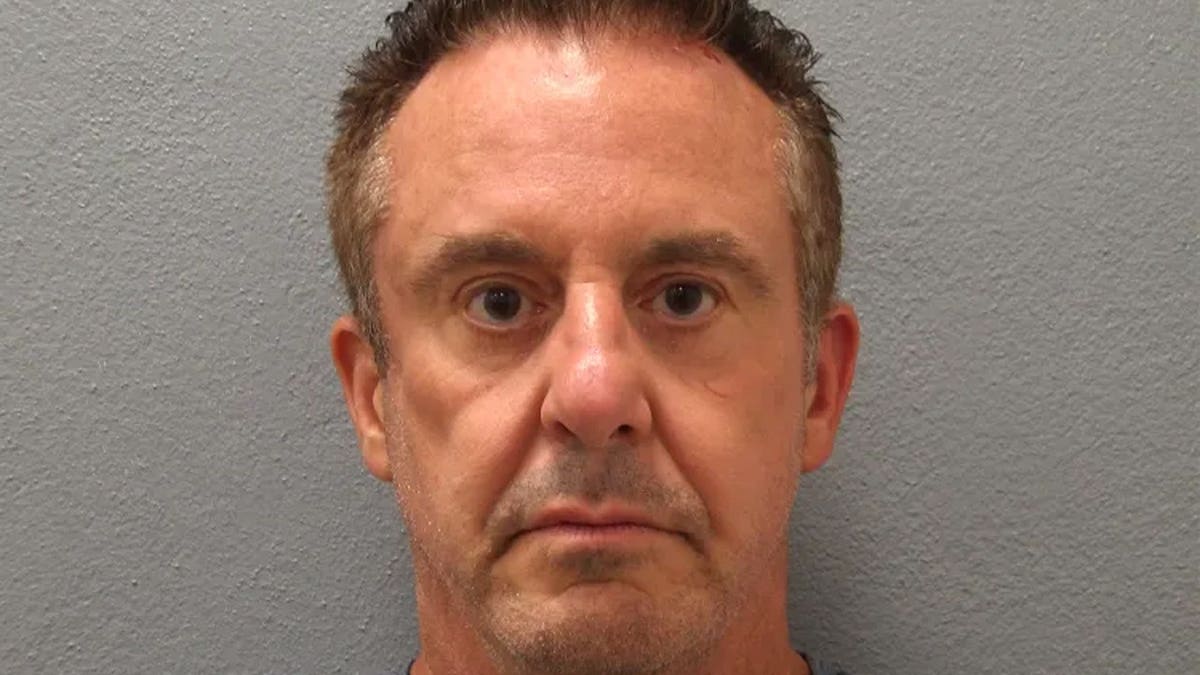
The man arrested in connection with the incident was identified as Christopher Michael Veit, a 53-year-old Key Largo resident. Law-enforcement officials allege that Veit restrained the teenager and placed her inside the dryer. Authorities also claim that he took away her cellphone after she expressed a desire to leave. Precisely how the girl was ultimately able to make contact with emergency services has not been fully explained in the initial public reports. What is known is that the 911 call brought deputies to the residence and allowed them to locate her.
The teenager was reportedly from outside Monroe County. Some early reports described her simply as being from outside the Florida Keys, while others stated that she was not from Florida. Publicly available information has not clearly established where she normally lived, how long she had been at the Key Largo residence or exactly how she came into contact with Veit. Authorities have also not provided a detailed public explanation of the relationship between the two. Those unanswered questions are likely to be important parts of the continuing investigation.
After being found, the girl was taken to Mariners Hospital in Tavernier for medical evaluation. Authorities said that she did not have life-threatening injuries. She was later released into the custody of a family member, and the Florida Department of Children and Families was notified. The involvement of that department is standard in cases where authorities believe a minor may have experienced abuse, exploitation, neglect or an unsafe living situation. Its role may include assessing the young person’s immediate safety, helping coordinate services and determining whether further protective action is needed.
The sheriff’s office said detectives from its Major Crimes unit responded to the property and began collecting evidence. Investigators allege that they found information indicating ongoing unlawful sexual activity between Veit and the teenager. Because the alleged victim is a minor, responsible reporting must avoid unnecessary or graphic details. The most important facts are that investigators believe unlawful conduct occurred, the teenager has been placed with a family member and the allegations will be evaluated through evidence, court filings and legal proceedings.
Veit was initially reported as facing charges that included kidnapping or false imprisonment, interference with child custody and unlawful sexual activity with a minor. Later reporting based on jail records described multiple sexual-battery counts involving a victim who was 16 or 17 years old, along with a kidnapping count and a charge related to interfering with the custody of a minor. The precise wording and number of charges may change as prosecutors review the evidence and formal court documents are filed. The sheriff’s office has said that the investigation remains active and that additional charges could be brought.
An arrest and the filing of criminal charges do not establish guilt. Under the American legal system, Veit is presumed innocent unless prosecutors prove the allegations beyond a reasonable doubt or the case is otherwise resolved through the courts. Early news stories often rely heavily on preliminary statements from law-enforcement agencies, which represent the government’s account at the beginning of a case. The defense may later challenge parts of that account, question how evidence was obtained, dispute witness statements or offer a different explanation. For that reason, it is important to describe the claims as allegations rather than confirmed conclusions.
Local reporting indicated that Veit remained in custody with bond reportedly set at $650,000. A local Florida Keys outlet also reported that an arraignment was scheduled for August 4. An arraignment is generally an early court appearance at which charges are formally presented and a defendant is given the opportunity to enter a plea. The hearing is not a trial, and it does not determine guilt or innocence. Future proceedings could address legal representation, conditions of release, evidence-sharing, motions filed by attorneys and the scheduling of later hearings.
The discovery inside the home was not limited to evidence directly connected with the allegations involving the teenager. Detectives said they found several sheets of what appeared to be counterfeit currency. Because the investigation of counterfeit United States money can fall under federal jurisdiction, the U.S. Secret Service was notified. Although the agency is widely known for protecting presidents and other national leaders, it was originally created to fight counterfeiting and continues to investigate financial crimes involving fraudulent currency.
Initial reports did not establish whether the counterfeit materials were connected in any way to the alleged kidnapping or abuse. They may become the subject of a separate investigation. Federal agents could examine whether the materials were genuine counterfeit notes, unfinished reproductions or items created for another purpose. They could also investigate who produced them, whether they had been circulated and whether anyone else was involved. Until authorities release further information, it would be irresponsible to assume a connection between the counterfeit currency and the other accusations.
The teenager’s ability to contact 911 appears to have been the decisive moment in the case. Emergency dispatchers frequently handle calls in which a person cannot speak openly, does not know an exact address or fears being overheard. In those situations, dispatchers are trained to gather as much information as possible and send officers when there is reason to believe someone may be in danger. In the Key Largo case, the call reportedly gave law enforcement enough information to reach the Miramar Drive residence and locate the girl.
The case demonstrates why emergency calls should always be taken seriously, even when the information initially sounds unusual or incomplete. Someone being controlled by another person may have only a brief opportunity to seek help. They might whisper, disconnect suddenly or be unable to answer every question. Responding officers must then assess the situation quickly while considering the safety of the caller, other people in the building and themselves.
At the same time, the highly unusual detail involving the clothes dryer has caused the story to spread rapidly online. Sensational details can bring attention to a case, but they can also overshadow the alleged victim. The teenager should not be reduced to the place where deputies reportedly found her. She is a young person whose privacy, safety and recovery should remain central. Publishing speculation about her identity, background or personal life could create additional harm and interfere with the work of investigators and child-protection professionals.
Responsible news coverage should therefore avoid identifying information, unverified rumors and language that treats the incident as entertainment. Crime stories involving minors require particular care. Even when a teenager’s name is not published, details about a school, neighborhood, family or social-media account may make identification possible within the local community. Protecting privacy gives the young person space to receive support without becoming the subject of public judgment.
The case also raises broader questions about coercive control and the ways an abusive situation can become more restrictive over time. Investigators have not publicly provided a complete timeline, so it is impossible to state exactly what happened before the 911 call. In general, however, a person may be controlled through isolation, manipulation, threats, confiscation of a phone or interference with communication. A minor may be especially vulnerable when an adult has greater authority, resources, transportation or control over the surroundings.
Such situations are not always recognized immediately by friends or relatives. A young person may appear to have left voluntarily while still being manipulated or pressured. They may feel embarrassed, frightened or uncertain about whether anyone will believe them. They may also have limited access to a phone, money or transportation. These realities are among the reasons investigators examine not only the final incident that resulted in an arrest but also the events leading up to it.
The charge of interference with child custody could become particularly important when authorities clarify how the teenager reached Key Largo and whether a parent, guardian or other lawful custodian had been searching for her. That charge generally concerns conduct that disrupts a legal custodian’s right to care for or supervise a minor. The exact elements prosecutors would need to prove depend on Florida law and the facts of the case. It should not be assumed that every detail contained in an arrest report will ultimately become part of a formal prosecution.
Likewise, the legal difference between kidnapping and false imprisonment may depend on how prosecutors interpret the alleged restraint. Both offenses involve restricting another person’s freedom, but kidnapping often contains additional elements concerning force, secrecy, movement or the purpose of the confinement. Court documents will eventually provide a more precise account of the state’s theory. Defense attorneys may argue about whether the alleged facts satisfy the legal requirements of each charge.
Physical evidence from the residence could play an important role. Investigators may document the layout of the home, photograph the dryer and surrounding area, collect objects that could confirm or contradict statements and examine digital devices. Phone records, messages, location information and emergency-call recordings may help establish when the teenager arrived, when she attempted to leave and how officers were contacted. Any digital evidence would still need to be authenticated and presented according to legal rules.
Interviews will also be significant. Detectives may speak with the teenager, relatives, neighbors and anyone who had recent contact with Veit. Medical professionals may document the girl’s condition while maintaining patient privacy. Investigators could examine whether people nearby noticed unusual activity or were aware that a minor was staying at the residence. None of those possibilities should be treated as confirmed unless they appear in official records or are disclosed by reliable sources.
Because the investigation is ongoing, early reports may contain differences. One account may use the term kidnapping, another may say false imprisonment, and a later jail record may list more specific counts. Publication times may also create confusion because news organizations update stories as new records become available. These differences do not necessarily mean that one report is false. They can reflect the rapid development of a case and the distinction between an initial sheriff’s-office statement, booking records and charges later reviewed by prosecutors.
The investigation will eventually move from the public narrative created by press releases and headlines into a more formal legal process. Prosecutors must decide which allegations can be supported with admissible evidence. The defense will receive discovery materials and may challenge witness accounts, searches, statements or other aspects of the case. A judge will rule on legal disputes. If the case proceeds to trial, jurors may ultimately be asked to determine whether the state has met its burden of proof.
For the alleged victim, the legal process may be only one part of what follows. Young people involved in serious criminal investigations may need medical care, counseling, educational support and help restoring a sense of stability. They may also be asked to participate in interviews or court proceedings. Professionals who work with minors generally try to reduce repeated questioning and avoid practices that could cause further distress.
Family support can be especially important, provided the home environment is safe. Authorities said the teenager was released to a family member, which suggests that officials identified an appropriate person to take custody after the hospital evaluation. The Department of Children and Families may continue assessing her situation and coordinating with law enforcement. Details about those services are normally kept confidential.
The case may also prompt community concern in Key Largo, an island community where residents may be unsettled to learn that a serious alleged crime occurred inside an ordinary home. Neighbors often respond to such cases by reviewing past interactions and wondering whether warning signs were missed. However, people should avoid accusing individuals who have not been identified by investigators or spreading unsupported claims about the teenager and her family.
Public interest is understandable because the allegations are severe and the circumstances are extraordinary. Still, community discussion should remain focused on verified facts. Sharing the teenager’s possible identity, photographs or private messages would serve no legitimate public interest. It could also expose her to harassment and make recovery more difficult.
The suspect’s rights must also be respected. Veit is entitled to legal representation and a fair process. A defense attorney may seek a reduction in bond, dispute the charges or request further information about the evidence. The public may find the allegations deeply troubling while still recognizing that criminal guilt must be decided through the courts rather than social media.
The discovery of suspected counterfeit currency adds another layer to a case that is already complicated. Should federal investigators determine that a counterfeiting offense occurred, Veit or another person could potentially face a separate investigation. However, the Secret Service’s notification does not automatically mean that federal charges will be filed. Agencies are often contacted so they can evaluate evidence and decide whether further action is appropriate.
In the coming weeks, additional information may emerge through court dockets, charging documents, bond hearings or official updates. Those records could clarify the teenager’s age, the timeline of events, the relationship alleged by investigators and the evidence supporting each count. They could also show whether prosecutors amend, add or dismiss any charges. Until then, readers should be cautious about claims circulating through unofficial accounts.
The most important confirmed development is that a teenage girl who reported being held against her will was located alive and received medical attention. Her decision and ability to contact emergency services brought deputies to the residence. The response then resulted in her removal from the situation and placement with a family member. Whatever the final legal outcome, the emergency call appears to have prevented the alleged confinement from continuing.
The case is a reminder that people should respond seriously when a young person communicates fear, says they are being prevented from leaving or reports that an adult has taken control of their phone or transportation. Such statements should not be dismissed as ordinary conflict without first considering safety. Trusted adults and authorities can help assess the situation.
It is equally important not to place responsibility on a young person for becoming caught in an allegedly exploitative or controlling relationship. Adults are responsible for maintaining lawful and appropriate boundaries with minors. When there is a significant age and power difference, a teenager may not have the same ability to recognize manipulation, leave safely or seek help.
As the Key Largo investigation continues, law enforcement will attempt to establish a reliable account using physical evidence, electronic records, interviews and medical information. Prosecutors will then determine which charges they believe can be proven. Veit will have the opportunity to answer the allegations through his attorney and the court system. The teenager’s identity and private circumstances should remain protected throughout that process.
The dramatic nature of the discovery may ensure that the case remains in the news, particularly if additional charges are filed or federal authorities take action regarding the suspected counterfeit currency. Yet the story should ultimately be understood not merely as an unusual crime headline but as an alleged case of a vulnerable young person being deprived of freedom and seeking help. The legal process will decide responsibility, while the teenager’s safety and well-being should remain the priority.
For now, Christopher Michael Veit remains accused, not convicted. The allegations described by authorities are serious, but they must be tested in court. The Monroe County Sheriff’s Office continues to investigate, the Florida Department of Children and Families has been notified, and the U.S. Secret Service has been alerted to the suspected currency discovered at the residence. More information may become available as the case moves forward, but any reporting should continue to distinguish confirmed facts from allegations and protect the privacy of the minor at the center of the investigation.
Another important issue raised by the case is the way online attention can affect an active investigation. When unusual allegations begin circulating widely, social-media users often repeat partial information as though it has already been proven. In some cases, unrelated photographs, addresses or personal accounts are shared without verification. That can expose innocent people to harassment, create false impressions and complicate efforts to protect a minor. Readers should rely on official court records and established news organizations rather than anonymous posts that claim to reveal hidden details.
The release of additional information may also be limited because the alleged victim is underage. Investigators and prosecutors are often unable to discuss evidence involving minors in detail, particularly when medical records, family matters or allegations of sexual misconduct are involved. A lack of public information does not necessarily mean authorities have little evidence. It may simply reflect legal and ethical requirements designed to protect the teenager’s privacy.
If the case proceeds, the teenager may be supported by a victim advocate who can explain court procedures, provide updates and connect her family with services. Criminal cases can move slowly, especially when digital evidence must be examined or when multiple agencies are involved. Delays may occur while investigators analyze phones, review records, interview witnesses and determine whether state and federal allegations should be handled separately.
The case also highlights the importance of maintaining access to safe communication. A phone can become a critical lifeline when someone is isolated or prevented from leaving. Families can help young people by making sure they understand how to contact emergency services, how to share their location and how to reach trusted adults. Those conversations should be calm and supportive rather than based entirely on fear. Young people are more likely to ask for help when they believe they will be listened to without immediate judgment.
Schools, community organizations and youth programs can also play a role by teaching teenagers how to recognize controlling behavior. Warning signs can include an adult demanding secrecy, isolating a minor from relatives, taking control of communication or threatening consequences for seeking help. Education should emphasize that a young person is not responsible for an adult’s unlawful behavior and that asking for assistance is a protective action, not a betrayal.
As authorities continue their work, the public should allow the evidence and legal process to determine what occurred. The extraordinary location where the teenager was found may remain the most widely repeated detail, but the deeper concern is the alleged loss of freedom and safety experienced by a minor. Her successful emergency call, the deputies’ response and her removal from the residence are the most significant immediate outcomes. The coming court proceedings will determine whether prosecutors can prove the accusations and what legal consequences, if any, will follow.