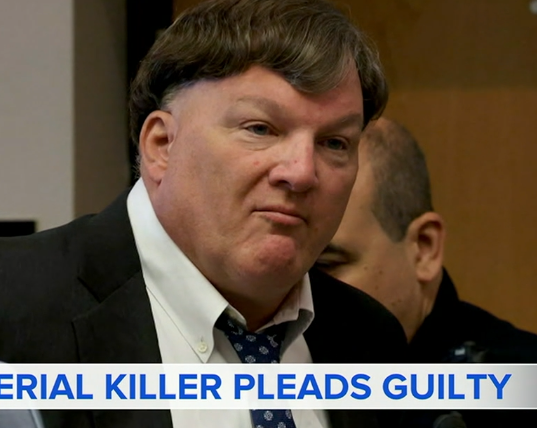
Anguished relatives of the Gilgo Beach, New York, serial killing victims aimed decades of anger at their loved ones’ killer, Rex Heuermann, at his sentencing on Wednesday before the judge demanded officers remove the former architect from the courtroom.
“I can’t even put into words the eviscerating hatred I have for you,” said Jasmine Robinson, cousin of victim Jessica Taylor, who would have turned 43 on Wednesday. “You fill me with so much repugnance.”.
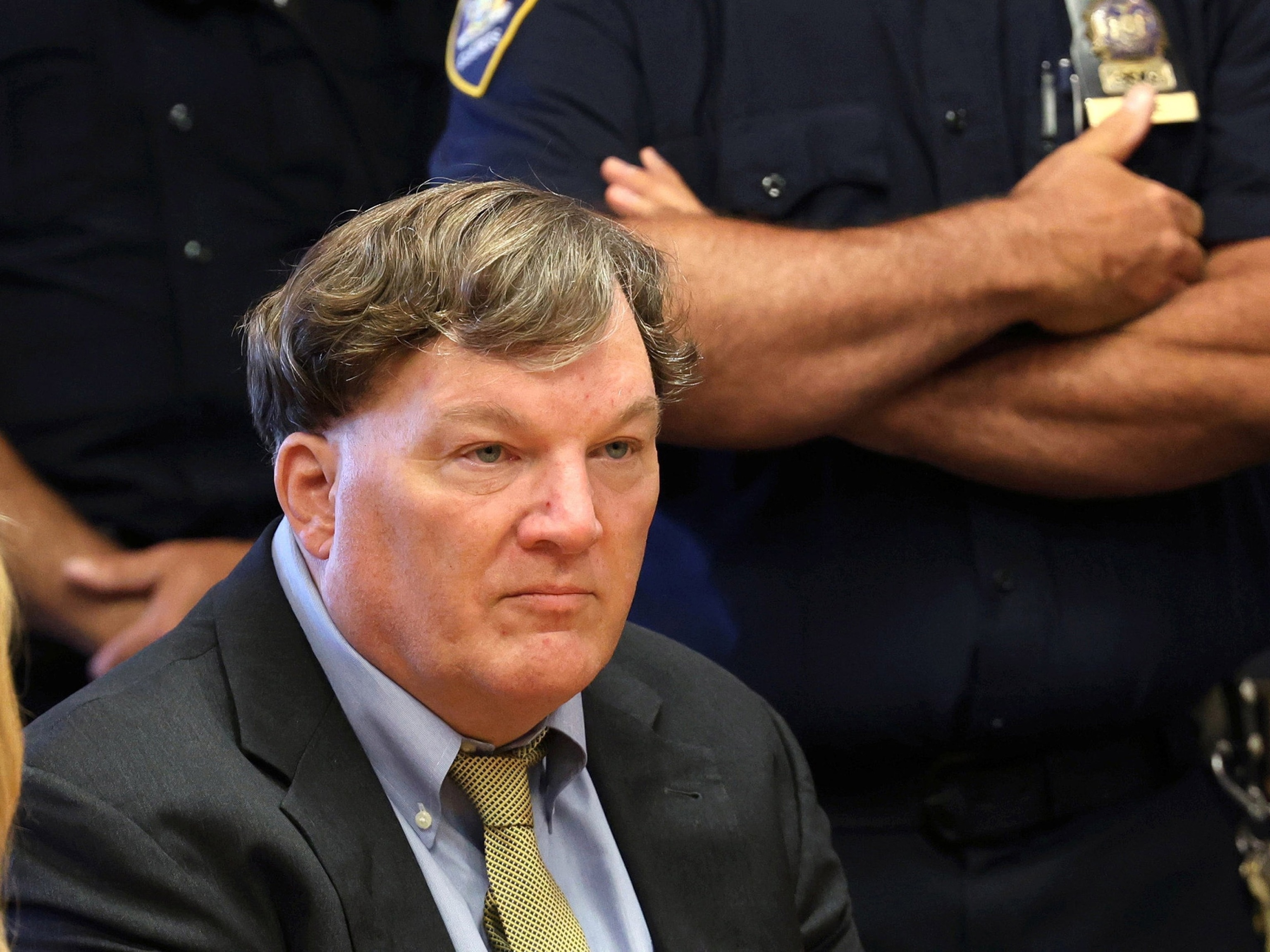
Another cousin, Violet Swager, remembered Taylor as “fierce, kind, compassionate, beautiful and intelligent.”
She said to Heuermann, “You chose small women because you’re nothing more than a weak, disgusting coward.”
Heuermann, 62, who gave his own brief statement in court, was sentenced to consecutive life sentences in prison.
In April, he pleaded guilty to killing seven women: Taylor, Melissa Barthelemy, Megan Waterman, Maureen Brainard-Barnes, Amber Lynn Costello, Valerie Mack and Sandra Costilla. He also admitted to killing an eighth woman, Karen Vergata, though he was not formally charged in her death.

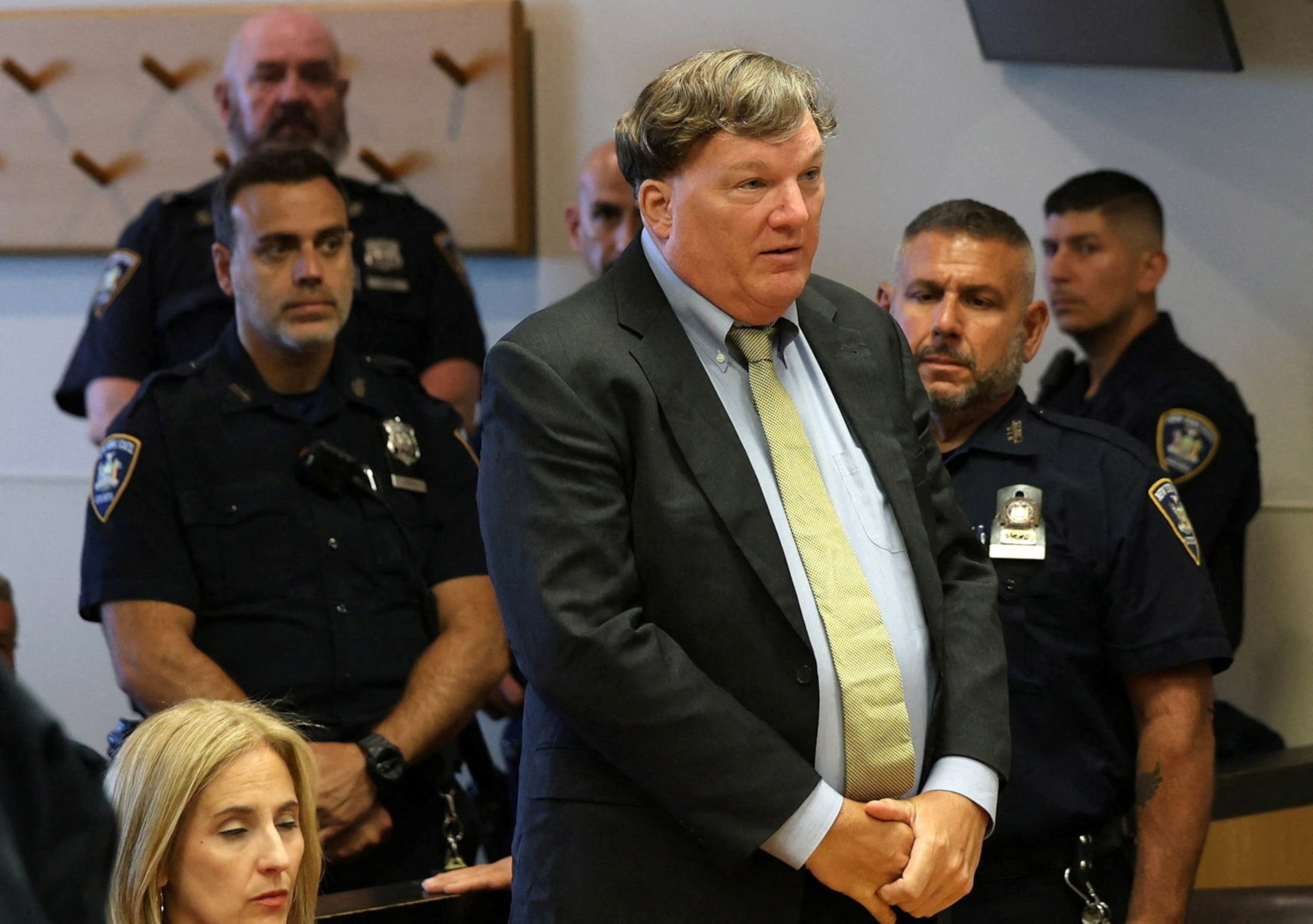
Mack’s parents, Ed and JoAnn Mack, said Heuermann robbed their daughter of the chance to achieve her dreams.
“I would like to say to Mr. Heuermann, what you have done to our family is beyond what words can express,” JoAnn Mack said. “Even though justice is done, it cannot replace what you have taken from us.”
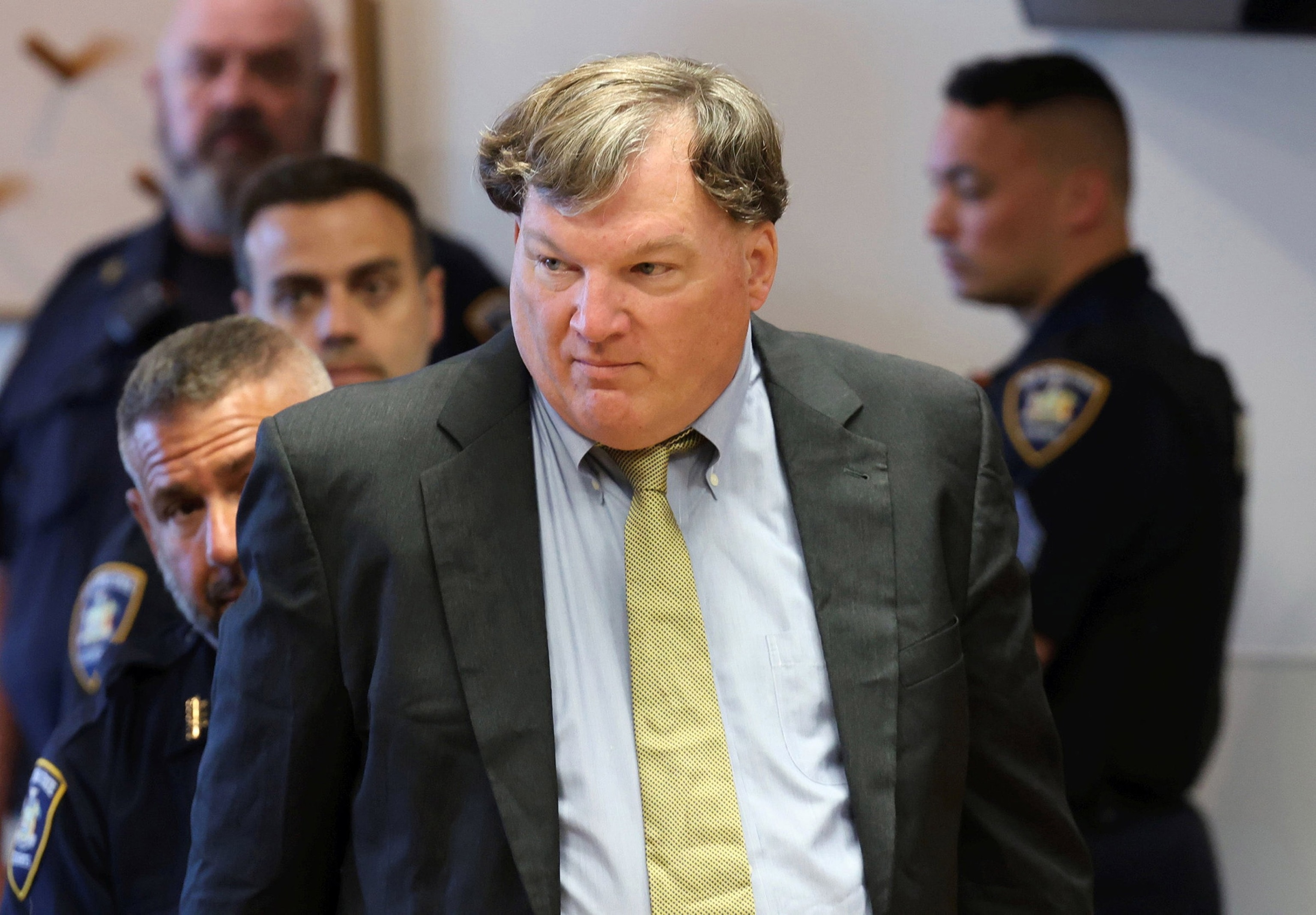
Barthelemy’s sister, Amanda Funderberg, recalled how Heuermann tormented her after the murder by calling her and saying he was letting Barthelemy’s body rot.
Funderberg turned to stare down Heuermann in the courtroom, telling him, “You can look at me while I’m talking — it has been about 17 years since we’ve spoken.”
She called him an “ogre” and a “repulsive monster.”
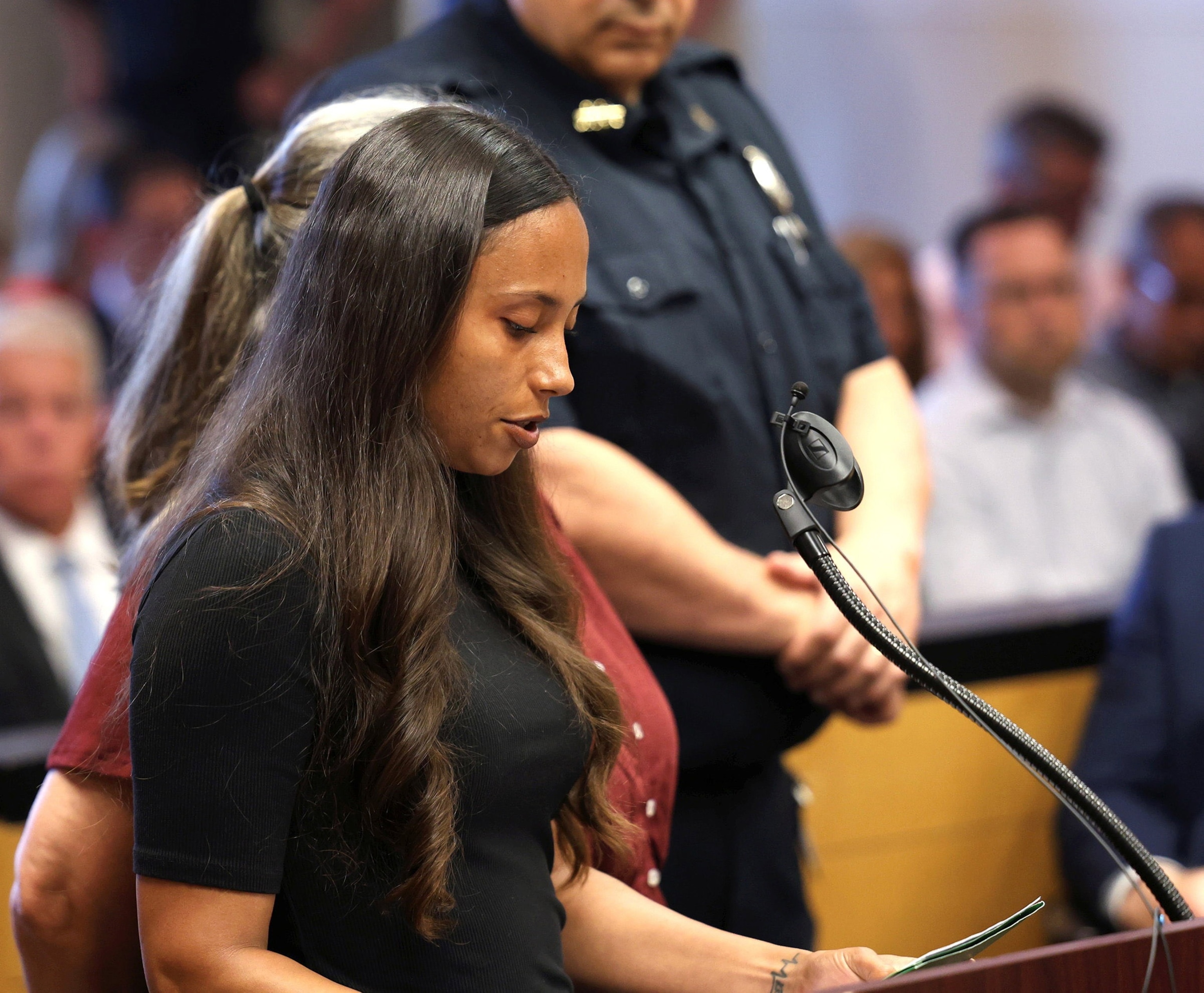
Heuermann gave his own brief statement in court, saying, “There are no words I can say.”
Someone in the gallery shouted, “Speak up!”
When Heuermann said nothing more, an incredulous Judge Timothy Mazzei asked, “Are you a little bit sorry for what you did [to] these poor, innocent women? Are you at least a little bit sorry for that?”
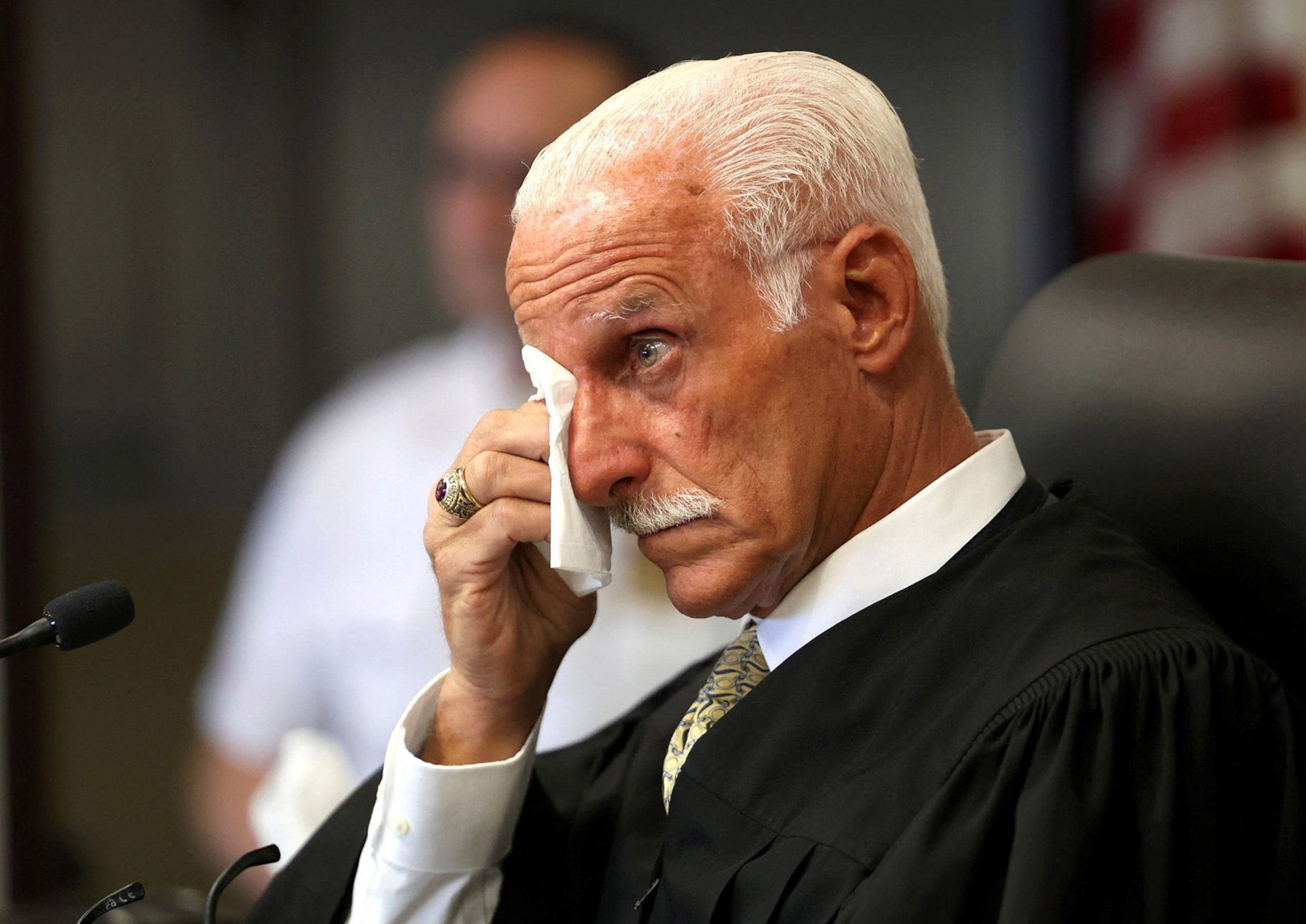
Heuermann responded quietly, “Yes I am.”
“You’re a disgusting and despicable small man, if you’re a man at all,” the judge said. “And you’re a coward!”
After Mazzei pronounced the consecutive life sentences, the judge told the court officers to “get him outta here!”
The victims’ families broke out into applause, shouting “ogre, ogre,” before Heuermann was cuffed and led out of the courtroom.
In April, Heuermann agreed to serve three consecutive life sentences followed by four consecutive sentences of 25 years-to-life, according to prosecutors. Part of Heuermann’s plea agreement also requires him to be interviewed by the FBI’s behavioral analysis unit.
Prosecutors said the New York City architect targeted sex workers, strangled them and dumped their bodies near Long Island’s Gilgo Beach over the course of 17 years. The Gilgo Beach cases went unsolved for years, until Heuermann’s arrest in 2023.
Waterman’s daughter, Liliana Waterman, said after court that speaking at sentencing was “a day that I’ve been thinking of my whole life.”
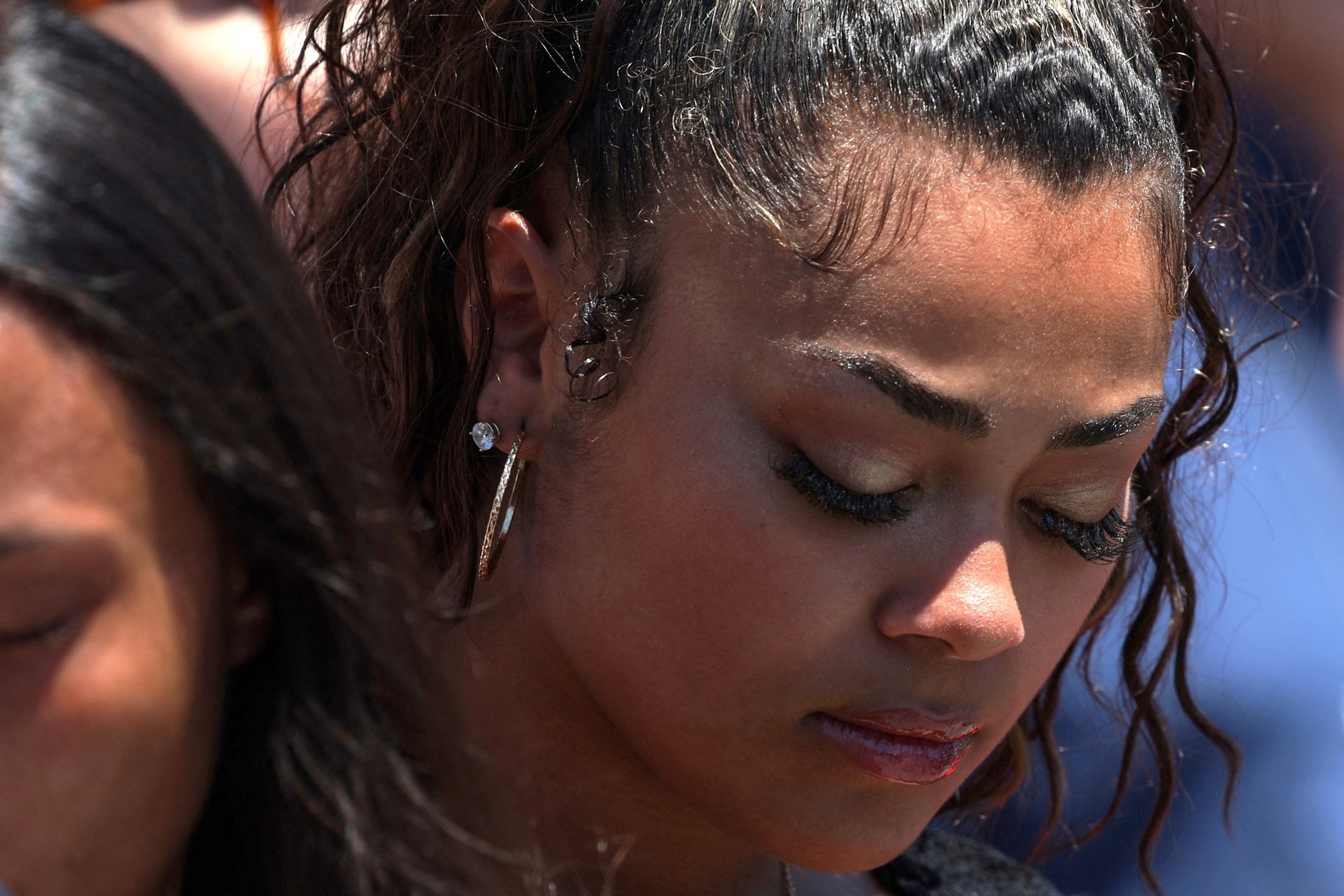
“The chance to finally speak up for her, it gives me comfort for her,” she said.
Suffolk County District Attorney Ray Tierney told reporters after sentencing that his “greatest wish for this case” is for the victims’ families to enjoy “great lives.”
“They stood by their loved ones and did a wonderful job. And now it’s time for them to heal and to go on and realize the tremendous potential that they all have, ’cause they’re absolutely extraordinary people,” he said.
The courtroom in Suffolk County was filled with years of grief, anger and unanswered pain on Wednesday as relatives of the Gilgo Beach serial killing victims faced Rex Heuermann, the man who admitted to murdering multiple women whose deaths haunted Long Island for more than a decade. What unfolded was not only a sentencing hearing, but a long-delayed moment of confrontation for families who had spent years waiting for accountability.
Heuermann, 62, a former New York City architect, was sentenced to consecutive life sentences in prison after pleading guilty in April to the killings of Jessica Taylor, Melissa Barthelemy, Megan Waterman, Maureen Brainard-Barnes, Amber Lynn Costello, Valerie Mack and Sandra Costilla. He also admitted to killing Karen Vergata, although he was not formally charged in her death. His plea marked one of the most significant developments in a case that had remained unresolved for years and had become one of New York’s most haunting criminal investigations.
For the victims’ relatives, the sentence could not return what had been taken from them. It could not restore birthdays, family gatherings, milestones or ordinary moments that were lost forever. But it gave them a public space to speak directly to the man responsible, and many used that opportunity to describe the depth of the harm he caused.
Jasmine Robinson, the cousin of Jessica Taylor, spoke with raw emotion as she addressed Heuermann. Taylor would have turned 43 on Wednesday, making the sentencing date even more painful for her family. Robinson said she could not fully describe the hatred she felt toward him, saying he filled her with “repugnance.” Her words captured the rage of a family that had waited years for answers and now had to sit only feet away from the person who had stolen Taylor’s future.
Another cousin, Violet Swager, remembered Taylor not only as a victim, but as a person with a full life, personality and presence. She described her as fierce, kind, compassionate, beautiful and intelligent. Then she turned her attention to Heuermann, calling him a coward who targeted vulnerable women because he was weak. Her statement echoed a theme that returned again and again throughout the hearing: the families wanted the world to remember the women as people, not just as names connected to a notorious case.
For years, the Gilgo Beach investigation was known for its mystery and horror. But inside the courtroom, the focus shifted away from the killer and back to the women whose lives were cut short. Relatives spoke of daughters, sisters, cousins and mothers. They described dreams that were never fulfilled, children who grew up without their mothers, and families left to carry grief without answers.
Valerie Mack’s parents, Ed and JoAnn Mack, described the damage Heuermann had done to their family. JoAnn Mack said there were no words strong enough to express what he had taken from them. She said justice had been done, but justice could not replace their daughter or erase the pain of losing her. Their statement reflected the difficult truth many families face after sentencing: a conviction may bring accountability, but it does not undo the loss.
Melissa Barthelemy’s sister, Amanda Funderberg, delivered one of the most emotional statements of the day. She recalled how Heuermann tormented her family after Barthelemy was killed, calling her and making cruel comments about her sister. In court, Funderberg looked directly at him and told him to look at her while she spoke, saying it had been about 17 years since they had last “spoken.” She called him an ogre and a repulsive monster, words that were later echoed by people in the courtroom after the sentence was announced.
Heuermann’s own statement was brief. Speaking softly, he said there were no words he could say and that anything he might say would have no meaning. His words did little to satisfy the courtroom. Someone in the gallery shouted for him to speak up. Judge Timothy Mazzei then pressed him directly, asking whether he was even a little bit sorry for what he had done to the innocent women. Heuermann quietly answered that he was.
The judge did not hide his disgust. Mazzei called Heuermann disgusting, despicable and cowardly before issuing the sentence. After pronouncing consecutive life sentences, he ordered court officers to remove Heuermann from the courtroom. As Heuermann was handcuffed and led away, victims’ relatives and supporters broke into applause. Some shouted “ogre,” repeating the word Funderberg had used in her statement.
The moment was dramatic, but for the families, it was about far more than anger. It was about finally being heard. For years, many of them had lived with the uncertainty of not knowing who had killed their loved ones or whether the person responsible would ever be caught. The Gilgo Beach case stretched across years of investigation, media attention, public fear and private heartbreak. The sentencing gave families a chance to reclaim part of the story.
Prosecutors said Heuermann targeted sex workers, killed them and left their bodies near Gilgo Beach and other areas of Long Island over a period of 17 years. The case first drew major attention after remains were discovered along Ocean Parkway, eventually leading investigators to connect several victims to a larger pattern. For years, the investigation moved slowly, frustrating families who wanted answers and feared the case might never be solved.
Heuermann was arrested in 2023, a breakthrough that shocked the public and brought new hope to victims’ families. At the time, authorities described a detailed investigation that used modern evidence, records and other investigative tools to build the case against him. His arrest transformed a long-unsolved mystery into a prosecution, but the families still had to endure more waiting before the case reached sentencing.
In April, Heuermann pleaded guilty as part of an agreement with prosecutors. According to prosecutors, the agreement called for three consecutive life sentences followed by four consecutive sentences of 25 years to life. As part of the plea deal, Heuermann must also be interviewed by the FBI’s behavioral analysis unit. That requirement could help investigators better understand his actions and possibly provide information useful in other cases.
For relatives of the women, however, no interview or sentence can fully answer the personal questions that remain. Why their loved ones were targeted. Why they were treated with such cruelty. Why so many years passed before the truth came into focus. These questions hung over the courtroom as family members described the emotional weight they have carried.
Waterman’s daughter, Liliana Waterman, said after court that speaking at the sentencing was something she had thought about her whole life. For her, the moment offered a chance to speak up for her mother. She said it brought her comfort to finally have that opportunity. Her words showed how the case affected not only the immediate relatives of the victims, but also the next generation, including children who grew up with the pain of absence.
Suffolk County District Attorney Ray Tierney praised the families after sentencing, saying his greatest wish was for them to have great lives. He said they had stood by their loved ones and had done a wonderful job honoring them. He expressed hope that they could now begin to heal and move forward. His remarks recognized that while the legal case had reached a major conclusion, the personal process of healing would continue long after the courtroom emptied.
The sentencing also served as a reminder of how long the Gilgo Beach case had shaped the lives of the victims’ families. Some had spent years attending court proceedings, speaking with investigators, answering media questions and keeping public attention on their loved ones. For many, the case became part of daily life, not because they wanted that attention, but because they refused to let their loved ones be forgotten.
Throughout the hearing, family members pushed back against any attempt to define the women only by the circumstances of their deaths. They spoke about character, humor, kindness, beauty, intelligence and love. They wanted the public to understand that each woman had a story before Heuermann entered it. Each had people who cared about her. Each had a name that deserved to be spoken with dignity.
That insistence on dignity has been a central part of the families’ fight. In many cases involving victims who were vulnerable or marginalized, families fear their loved ones will be judged instead of mourned. Wednesday’s hearing gave them a chance to correct that. Their statements made clear that the women were not disposable. They were mothers, daughters, sisters and friends whose lives mattered deeply.
The courtroom’s reaction after Heuermann was sentenced showed the emotional release many had been waiting for. The applause, the shouting and the tears came after years of silence, uncertainty and frustration. It was a moment of public condemnation, but also one of collective grief. The families had waited for the legal system to say clearly what they already knew: that the women had been wronged in the most devastating way, and that the man responsible deserved to spend the rest of his life in prison.
Even with the sentence now imposed, the broader impact of the case will remain. The Gilgo Beach killings exposed weaknesses in how vulnerable victims are sometimes treated and how long families can be left without answers. It also showed the importance of persistence from relatives, investigators and prosecutors who continued to push the case forward despite the passage of time.
For Long Island, the case became a dark chapter tied to a stretch of beach that many once associated with ordinary life, summer drives and quiet coastal scenery. The discoveries near Gilgo Beach changed that image. The area became linked with fear, loss and mystery. Wednesday’s sentencing does not erase that history, but it marks a turning point in the public story of the case.
Heuermann will now spend the rest of his life in prison. His name will remain attached to one of New York’s most infamous criminal cases. But the families made clear that the final word should not belong to him. It should belong to the women he killed and to the people who loved them.
In court, those families spoke not only from anger, but from love. They spoke for birthdays that will never be celebrated, for children who grew up with questions, for parents who buried their daughters, and for siblings who carried memories through years of uncertainty. They spoke because the women could not. And by doing so, they turned a sentencing hearing into a powerful act of remembrance.
As Heuermann was removed from the courtroom, the families’ voices remained. Their statements had filled the room with the weight of everything lost and everything survived. The legal chapter may now be closing, but the memory of Jessica Taylor, Melissa Barthelemy, Megan Waterman, Maureen Brainard-Barnes, Amber Lynn Costello, Valerie Mack, Sandra Costilla and Karen Vergata will continue through the families who refused to let them be forgotten.
For those families, Wednesday was not a day of victory in the simple sense. Nothing about the case could feel truly victorious when so much life had been taken. But it was a day of recognition. A day when their grief was heard in open court. A day when the man responsible was forced to sit before them. A day when the justice system finally delivered a sentence that matched the enormity of the crimes.
The pain will not disappear with the sound of a gavel. It will not vanish because Heuermann is behind bars. But the families left court with something they had been denied for years: certainty that he would never again be free, and certainty that their loved ones’ names had been spoken with strength, love and dignity in the place where justice was finally delivered.
The sentencing also brought renewed attention to the long emotional toll of waiting for justice. For families of homicide victims, time does not move in a straight line. Years may pass, but grief can return sharply with every court date, every news report, every anniversary and every birthday that arrives without the person who should have been there. For the relatives gathered in court, Wednesday was the end of one legal process, but it was also another painful reminder of how much of their lives had been shaped by loss.
Many of them had lived for years with fragments of information, public speculation and unanswered questions. They had watched their loved ones’ names appear in headlines, often connected to details of the investigation rather than the full human stories behind them. That is why the victim impact statements mattered so deeply. They gave the families control over the narrative, even if only for a moment. They allowed them to speak in their own words and describe the women as they remembered them: not as evidence, not as case numbers, not as part of a dark mystery, but as people who were loved.
The hearing also showed how a courtroom can become a place where grief and justice meet uneasily. The law is built around charges, pleas, sentences and procedure. Families, however, carry something much more personal. They carry memories of voices, smiles, arguments, dreams and ordinary days that can never be recreated. A life sentence may answer the legal question of punishment, but it cannot answer the emotional question of how to live with what happened.
For some relatives, speaking directly to Heuermann appeared to be a form of release. It allowed them to say what had been building for years. Their words were sharp because the wounds were deep. The anger in the courtroom was not sudden; it was the result of years spent imagining this moment, years spent wondering whether the person responsible would ever be found, and years spent carrying pain while the outside world moved on.
The case also forced many people to reconsider how society talks about victims who lived complicated or vulnerable lives. Prosecutors said Heuermann targeted sex workers, a detail that made the case even more painful for families who feared their loved ones would be reduced to labels. During the hearing, relatives made it clear that vulnerability did not make the women less worthy of justice. Their lives mattered completely. Their families loved them completely. Their deaths deserved the full force of the law.
That message may become one of the lasting lessons of the Gilgo Beach case. Every victim deserves urgency. Every family deserves answers. No person should be treated as forgotten simply because their life did not fit a perfect image of innocence. The women at the center of this case were human beings with relationships, histories, hopes and people who still speak their names. The courtroom statements made that impossible to ignore.
Outside the courtroom, the impact of the sentencing stretched beyond the families. The case had unsettled communities across Long Island and beyond, partly because of the number of victims and partly because of how long the investigation remained unresolved. Heuermann had lived an ordinary public life while families waited in agony. That contrast added another layer of horror to the case. To many, he appeared to be a neighbor, a professional, a husband, a man moving through daily routines. Behind that ordinary image, prosecutors said, was a pattern of violence that destroyed families.