Cancer has a way of changing a person’s understanding of time. Before her diagnosis, Emily often rushed through her days, focused on deadlines, responsibilities, and plans for the future. She believed there would always be more time to travel, more time to reconnect with friends, more time to pursue dreams that could wait until tomorrow. Sitting in hospital waiting rooms changed that perspective completely. Suddenly, every day felt valuable. Every conversation carried more meaning. Every sunrise represented another opportunity to keep fighting. As treatment continued, Emily discovered that resilience was not something people were simply born with. It was something built slowly through difficult moments, one challenge at a time. There were mornings when getting out of bed felt impossible, afternoons when exhaustion seemed overwhelming, and nights when fear refused to let her sleep. Yet each time she faced those moments and continued moving forward, she became stronger than she had been the day before. Strength, she learned, was not about never feeling afraid. It was about continuing despite fear.
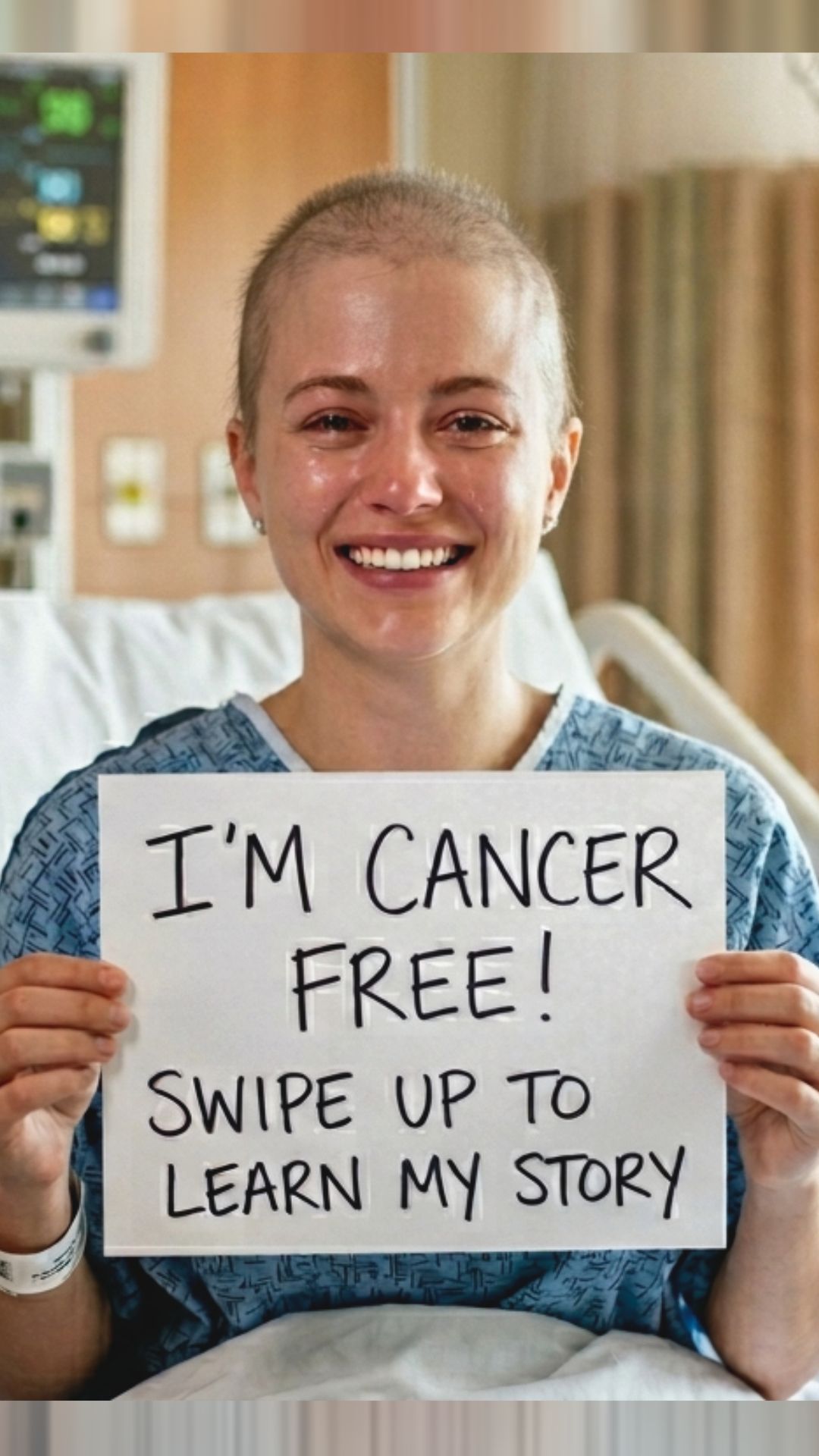
The months passed slowly. Chemotherapy became a regular part of her life, bringing both physical and emotional challenges. One of the most difficult days came when Emily noticed significant hair loss. Although she knew it was a common side effect of treatment, experiencing it firsthand was heartbreaking. Looking in the mirror became difficult. The reflection staring back at her no longer looked like the person she recognized. For many people, hair is closely connected to identity and confidence, and losing it felt like losing another piece of the life she once knew. After several emotional days, Emily made a decision. Rather than waiting for more hair to fall out, she chose to shave her head. Surrounded by close family members, she transformed a moment she feared into one she controlled. There were tears, but there was also laughter. What initially felt like a loss gradually became a symbol of determination. Every time she looked in the mirror afterward, she saw not weakness, but evidence of a battle she was fighting with everything she had.
As her story spread among friends, coworkers, and members of her community, support began arriving from unexpected places. Former classmates sent messages of encouragement. Neighbors delivered meals. Local organizations organized fundraising events to help cover expenses associated with treatment. Letters arrived from complete strangers who had faced similar diagnoses and wanted her to know she was not alone. These acts of kindness became powerful reminders that even during life’s darkest chapters, compassion remains one of humanity’s greatest strengths. Emily kept many of the letters she received, reading them during difficult days when motivation felt hard to find. The words of people who understood her struggle helped restore hope when uncertainty seemed overwhelming. They reminded her that countless others had faced similar battles and found reasons to keep moving forward.
While treatment focused on healing her body, Emily also began focusing on healing her mindset. She started keeping a journal, documenting her experiences, fears, victories, and reflections. Writing became a way to process emotions that were often difficult to express aloud. Some entries described frustration and exhaustion. Others captured moments of gratitude. Over time, the journal revealed something remarkable. Even though cancer had introduced enormous hardship into her life, it had also taught lessons she might never have learned otherwise. She became more patient. More appreciative. More aware of the importance of relationships. She learned to celebrate small victories, whether it was a positive test result, a day with less pain, or simply having enough energy to enjoy a walk outside. Those moments, once taken for granted, became sources of genuine happiness.
Eventually, after many months of treatment, the day arrived that Emily had been dreaming about since the moment of her diagnosis. Another round of scans had been completed. Another appointment had been scheduled. Sitting in the examination room, she felt the familiar combination of hope and anxiety that accompanied every major update. The doctor entered carrying the results. For a few seconds, the room felt completely silent. Then came the words she had imagined hearing countless times but never allowed herself to fully expect. The treatment had worked. The scans showed no evidence of active cancer. Emily was cancer free. The emotional impact of that moment was impossible to describe. Tears flowed instantly. Her family cried. Even some members of the medical team became emotional. After months of fear, uncertainty, and relentless effort, there was finally a reason to celebrate.
The weeks following that appointment were filled with joy, reflection, and gratitude. Friends organized gatherings. Family members embraced her with renewed appreciation. Simple activities suddenly felt extraordinary. Going outside on a sunny day, enjoying dinner with loved ones, making plans for the future, and waking up without immediate fear became precious experiences. Yet Emily understood that being cancer free did not mean forgetting everything that had happened. The journey had permanently changed her. It had revealed strengths she never knew she possessed. It had shown her the value of perseverance during difficult times. Most importantly, it had taught her that hope can survive even the most challenging circumstances. She began speaking publicly about her experience, sharing her story with newly diagnosed patients and their families. Her goal was not to promise easy outcomes or guaranteed success. Instead, she wanted others to know that they were capable of enduring more than they imagined.
Today, Emily views life differently than she did before her diagnosis. She still makes plans for the future, but she no longer assumes tomorrow is guaranteed. She makes time for family. She prioritizes meaningful experiences. She expresses gratitude more openly. Every milestone feels more significant because she understands how fragile life can be. Her journey from diagnosis to recovery serves as a reminder that behind every medical statistic is a human story filled with courage, fear, determination, and hope. Cancer challenged nearly every aspect of her life, but it never succeeded in taking away her spirit. Instead, the experience revealed the remarkable resilience that existed within her all along. When Emily smiles today, that smile carries a deeper meaning. It represents survival. It represents gratitude. It represents every difficult day she endured to reach this moment. Most of all, it represents hope for anyone currently facing a battle of their own, proving that even during life’s darkest chapters, brighter days can still be waiting ahead.
After receiving the life changing news that she was cancer free, Emily expected everything to instantly return to normal. Friends and family celebrated, doctors congratulated her, and for the first time in many months she could imagine a future that was not dominated by treatment schedules and medical appointments. Yet recovery brought challenges of its own. Many people assume that once cancer is gone, the struggle immediately ends. In reality, survivorship is often a journey filled with its own emotional complexities. Emily quickly discovered that healing involved more than physical recovery. Her body was gradually regaining strength, but her mind still carried memories of uncertainty, fear, and the countless difficult moments she had experienced throughout treatment. Certain smells reminded her of hospital hallways. Certain phone calls triggered anxiety. Even routine medical checkups caused nervousness because they reminded her of the time when every appointment carried potentially life changing news. Learning to trust the future again became an important part of her recovery.
As months passed, Emily began rebuilding parts of her life that had been placed on hold during treatment. She returned to work gradually, reconnecting with colleagues who had followed her journey from a distance. At first, she worried that people would treat her differently. She feared becoming known only as “the woman who had cancer.” Instead, she found something unexpected. Her experience had earned respect rather than pity. Coworkers admired her resilience. Friends viewed her with newfound appreciation. Many people shared their own struggles after hearing her story. Emily realized that vulnerability often creates connection. By openly discussing her experiences, she gave others permission to talk about challenges they had been carrying silently. Conversations became deeper. Relationships became stronger. The hardships she had endured created opportunities to help others feel less alone.
One of the greatest lessons Emily learned involved gratitude. Before her diagnosis, gratitude was something she practiced occasionally. After cancer, it became part of her daily life. She felt grateful for ordinary mornings, for family dinners, for walks outside, for laughter, for quiet evenings at home, and for the simple ability to make plans without fear dominating every thought. She often reflected on how easily people overlook ordinary blessings until they are threatened. During treatment, she had dreamed about doing simple things most people rarely think twice about. Now those experiences felt extraordinary. A cup of coffee shared with a friend, a sunny afternoon in the park, a spontaneous road trip, or a conversation with loved ones carried a significance she had never fully appreciated before. Cancer had taught her that life is not measured only by major achievements. Often, its greatest value is found in everyday moments.
As her confidence grew, Emily became involved with organizations that supported cancer patients and survivors. She volunteered at community events, participated in awareness campaigns, and spent time speaking with individuals who had recently received diagnoses similar to her own. These conversations were often emotional. She recognized the fear in their eyes because she had once felt exactly the same way. She remembered the overwhelming uncertainty, the endless questions, and the feeling that life had suddenly become unrecognizable. Rather than offering unrealistic promises, Emily focused on providing hope grounded in honesty. She encouraged patients to take one day at a time. She reminded them that fear was normal. She shared practical advice about maintaining relationships, managing emotional stress, and finding small victories during difficult periods. Many patients later told her that hearing from someone who had walked the same path made an enormous difference in their outlook.
Emily’s story gradually reached people beyond her local community. Through interviews, social media posts, and public speaking opportunities, she became an advocate for awareness, early detection, and emotional support for those facing serious illnesses. She repeatedly emphasized the importance of listening to one’s body and seeking medical attention when something feels wrong. Looking back, she often wondered what might have happened if she had ignored her symptoms longer. Early intervention had played a critical role in her treatment. She hoped her story would encourage others not to postpone medical care out of fear, uncertainty, or busy schedules. If sharing her experience helped even one person seek treatment sooner, she believed it was worthwhile.
The emotional impact of her journey also changed her understanding of courage. Before cancer, she associated courage with dramatic acts of heroism. After cancer, she saw courage differently. Courage was attending an appointment despite fear. Courage was accepting help when pride made it difficult. Courage was facing uncertainty while continuing to hope. Courage was getting out of bed on difficult days and refusing to give up. These quieter forms of bravery often go unnoticed, yet they are among the strongest expressions of human resilience. Emily encountered countless examples throughout her journey. Fellow patients supported one another during treatment. Parents remained strong for their children despite personal fear. Nurses provided comfort during painful procedures. Families stood together through impossible situations. She learned that courage exists everywhere, often in forms that never make headlines.
Years after completing treatment, Emily still carries reminders of what she endured. Some are physical. Others are emotional. Yet she no longer views those reminders as burdens. Instead, she sees them as evidence of survival. Every scar represents a battle fought. Every difficult memory represents a challenge overcome. Rather than wishing the experience had never happened, she chooses to focus on what it taught her. The journey revealed strengths she never knew she possessed. It showed her the power of community, the importance of gratitude, and the incredible resilience of the human spirit. Although she would never describe cancer as a gift, she acknowledges that surviving it transformed her perspective in meaningful ways.
Today, Emily continues building a future filled with goals, relationships, and dreams. The difference is that she approaches life with a deeper appreciation for the present moment. She understands that certainty is never guaranteed, but she no longer allows uncertainty to control her decisions. Instead, she focuses on living fully, loving openly, and making the most of the opportunities before her. Her story is not simply about illness. It is about resilience. It is about hope surviving difficult circumstances. It is about discovering strength during moments of vulnerability. Most importantly, it is about the extraordinary ability of human beings to endure hardship while continuing to believe in better days ahead. For every person facing a difficult diagnosis, Emily’s journey stands as a reminder that even the darkest chapters of life do not have to define the ending. Sometimes, after fear, struggle, and perseverance, a new chapter begins. And in that chapter, hope returns stronger than ever before.
Perhaps the most profound change in Emily’s life was not physical recovery but a complete shift in priorities. Before her diagnosis, success often meant professional achievements, financial goals, and long term plans. After surviving cancer, her definition of success became much more personal. Success meant spending meaningful time with loved ones. Success meant maintaining physical and emotional health. Success meant helping others who were struggling. Success meant ending each day with gratitude rather than regret. This change brought a level of fulfillment she had never experienced before. She no longer felt pressured to constantly chase the next accomplishment. Instead, she learned to appreciate where she was in the present moment. That mindset allowed her to experience a deeper sense of peace, one that remained with her long after treatment ended and normal life resumed.
Even as the years continued to pass, Emily never completely forgot the hospital room where she first heard the words that changed her life forever. Certain memories remained vivid no matter how much time passed. She could still remember the smell of the hallways, the sound of medical equipment in nearby rooms, and the expression on her doctor’s face during important conversations. Yet those memories no longer carried the same fear they once did. Instead, they became reminders of how far she had come. Looking back, she realized that surviving cancer was not one single moment but thousands of moments combined together. It was every treatment she completed despite exhaustion. It was every difficult morning she forced herself to face. It was every setback she overcame and every time she chose hope over despair. The public often sees survivorship as the finish line, but Emily understood that survivorship is its own journey. It involves learning how to trust your body again, how to plan for the future again, and how to believe that life can still hold joy after unimaginable hardship. That process took time, patience, and self compassion, but gradually she rebuilt confidence in ways that felt stronger and more genuine than before.
One of the most meaningful parts of Emily’s recovery involved reconnecting with dreams she had abandoned during treatment. When she was first diagnosed, many of her goals suddenly seemed distant or impossible. She had stopped thinking about career advancement, travel opportunities, and personal milestones because all of her energy was focused on survival. After becoming cancer free, she slowly allowed herself to dream again. At first, it felt uncomfortable. Planning months or years into the future seemed risky after spending so much time living from appointment to appointment. Yet with each passing month, her confidence grew. She enrolled in professional development programs, accepted new opportunities at work, and began exploring places she had always wanted to visit. Every achievement carried a special meaning because she understood how easily those opportunities could have been lost. Rather than taking success for granted, she celebrated every step forward. Her experiences had taught her that life is fragile, but they had also taught her that fragility makes every achievement more valuable.
As Emily became more involved in advocacy and awareness efforts, she met countless individuals whose stories inspired her. Some were newly diagnosed patients terrified about what lay ahead. Others were long term survivors who had spent decades helping people navigate difficult circumstances. She listened carefully to their experiences and discovered a common thread connecting nearly all of them. Regardless of age, background, or diagnosis, they shared an extraordinary ability to find strength in situations that seemed impossible. Many spoke about the importance of community during difficult times. Others described how family support helped them continue when they felt like giving up. Some emphasized faith, while others focused on personal determination. Although their paths differed, they all demonstrated the remarkable resilience that exists within people when they are faced with life’s greatest challenges. These conversations reinforced Emily’s belief that no one should have to face serious illness alone. Human connection, empathy, and support can provide strength that medicine alone cannot offer.
The experience also changed the way Emily viewed fear. Before her diagnosis, she often avoided situations that felt uncertain or uncomfortable. She worried about failure and sometimes allowed fear to influence important decisions. Cancer transformed that perspective completely. After facing the possibility of losing everything she loved, many other fears seemed smaller by comparison. She became more willing to take risks, speak openly, and pursue opportunities she might once have avoided. This did not mean she stopped feeling afraid. Fear remained a natural part of life. The difference was that she no longer allowed fear to control her choices. Instead, she acknowledged it and moved forward anyway. That lesson extended into every area of her life. Whether she was pursuing a new goal, meeting new people, or facing unexpected challenges, she carried with her the knowledge that she had already survived one of the most difficult experiences imaginable. That confidence became a powerful source of motivation.
Another unexpected outcome of Emily’s journey was a deeper appreciation for healthcare professionals. Throughout treatment, she witnessed firsthand the dedication, compassion, and expertise required to care for patients facing life threatening illnesses. Doctors spent countless hours developing treatment plans and monitoring progress. Nurses provided comfort during difficult procedures and offered reassurance during moments of fear. Technicians, therapists, support staff, and countless others played essential roles in her recovery. Many of these individuals became familiar faces throughout her journey, offering encouragement during both good days and bad days. Emily often reflected on how fortunate she was to receive care from people who viewed their work as more than a profession. Their commitment extended beyond medical treatment. They helped restore hope during moments when hope felt difficult to find. Their kindness left a lasting impression that she would never forget.
Over time, Emily also became increasingly aware of the emotional challenges faced by families of cancer patients. During treatment, much of the attention naturally focused on her condition, but she later realized how deeply the experience affected those around her. Her parents carried enormous worry while trying to remain positive. Her siblings balanced their own fears with a desire to provide support. Friends often felt helpless because they wanted to fix a situation they could not control. Watching loved ones struggle emotionally was one of the hardest aspects of her journey. As a result, she became passionate about ensuring that caregivers and family members receive support as well. Serious illness affects entire families, not just individual patients. Providing resources, counseling, and emotional assistance for loved ones can make a significant difference during challenging times.
Perhaps the most significant lesson Emily learned involved perspective. Before cancer, minor inconveniences often felt important. Traffic delays, workplace frustrations, and everyday stress sometimes consumed more energy than they deserved. After surviving cancer, she began viewing those situations differently. She understood that many problems are temporary and manageable when compared to genuine crises. This shift did not eliminate life’s difficulties, but it helped her approach them with greater patience and balance. She learned to focus on what truly mattered and let go of concerns that added unnecessary stress. Friends often commented on how calm she seemed during challenging situations. What they were really noticing was perspective. Having faced profound uncertainty, Emily understood that many everyday frustrations were not worth sacrificing peace of mind.
As she entered the next chapter of her life, Emily became increasingly committed to creating meaningful experiences rather than simply accumulating accomplishments. She valued relationships more deeply. She prioritized time with family and close friends. She pursued opportunities that aligned with her values rather than those driven solely by external expectations. Success became less about status and more about fulfillment. This shift brought a sense of contentment she had rarely experienced before. Rather than constantly focusing on what came next, she learned to appreciate where she was in the present moment. That mindset became one of the greatest gifts to emerge from an otherwise painful experience.
Years later, when people asked Emily about her journey, she rarely focused solely on medical details. Instead, she spoke about resilience, gratitude, and the importance of hope. She emphasized that while cancer changed her life, it did not define her entire identity. She was more than a diagnosis, more than a survivor, and more than the challenges she had endured. She was a daughter, a friend, a professional, an advocate, and a person with dreams still waiting to be pursued. Her story was not ultimately about illness. It was about growth. It was about discovering strength in unexpected places. It was about learning that even during life’s darkest seasons, human beings possess an extraordinary capacity to adapt, persevere, and rebuild.
Today, when Emily looks toward the future, she does so with a sense of gratitude that continues to shape every decision she makes. She knows there are no guarantees in life. Few people understand that reality more clearly than someone who has faced a serious illness. Yet rather than allowing uncertainty to create fear, she allows it to inspire appreciation. Every day represents an opportunity. Every relationship represents a gift. Every challenge represents a chance to grow stronger. The journey that began with fear and uncertainty eventually led to a deeper understanding of what it means to live fully. Her smile now reflects more than happiness. It reflects survival, resilience, courage, and an unwavering belief that hope can endure even the most difficult circumstances. For anyone facing hardship, Emily’s story serves as a reminder that strength often reveals itself when it is needed most and that brighter days can emerge even after the darkest storms.