
Early Life and the Rise of a Television Pioneer (1922–1960)


During her childhood, the White family moved to Los Angeles, California. The move would prove to be life-changing. Southern California was rapidly becoming the center of the American entertainment industry, and the young Betty quickly developed a fascination with performing. Even as a child, she loved storytelling and often entertained family and friends with small plays she wrote and performed herself.
Betty attended Beverly Hills High School, where she discovered a deep passion for acting and writing. She participated in school theater productions and began imagining a career in the entertainment industry. At the time, however, Hollywood was not always welcoming to young women seeking careers beyond acting roles. Few women held positions behind the camera, and even fewer were recognized as creative leaders.
Despite these obstacles, Betty’s determination and enthusiasm pushed her forward.
Her first experience with television came in 1939, when she appeared on an experimental television broadcast shortly after graduating from high school. Television itself was still in its infancy. In those early days, few people even owned television sets. Yet Betty sensed that the new medium had enormous potential.
World War II temporarily interrupted her early career ambitions. During the war years, Betty contributed to the American war effort by volunteering with the American Women’s Voluntary Services. She also worked with the armed forces radio network, helping entertain troops and support morale during a difficult time in world history.
After the war ended, Betty returned to pursuing her dream in entertainment. Her earliest work came in radio, where she appeared on a variety of programs. Radio was the dominant form of home entertainment at the time, and it allowed Betty to develop the vocal timing and comedic rhythm that would later define her career.
Her cheerful voice, quick wit, and natural warmth made her a favorite among listeners.
The transition from radio to television came naturally for her. In the late 1940s, she began appearing regularly on a Los Angeles television program called Hollywood on Television, a five-and-a-half-hour live broadcast that aired several days a week. The show required improvisation, energy, and stamina — qualities Betty possessed in abundance.
Performing live television for hours at a time was no easy task. Actors had to memorize lines, respond quickly to unexpected moments, and maintain their energy throughout the broadcast. For Betty, it became the perfect training ground.
By the early 1950s, Betty White was becoming a recognizable figure on American television. But her ambitions went beyond acting. She wanted creative control over the stories she helped tell.
In 1953, she achieved something groundbreaking.
Betty co-created and starred in the television sitcom Life with Elizabeth. The show featured Betty in three different comedic sketches during each episode, portraying humorous moments in married life. What made the show remarkable was not just its popularity — it was the role Betty played behind the scenes.
She served as a producer, making her one of the first women in Hollywood history to produce a sitcom.
At a time when women were rarely given leadership roles in television production, this achievement broke barriers and opened doors for future generations of female creators.
Life with Elizabeth quickly gained a loyal audience. Viewers were drawn to Betty’s expressive comedic style and relatable charm. Her humor felt warm rather than sarcastic, playful rather than cynical.
In 1952, she also hosted her own daily talk show, The Betty White Show, further proving her versatility. Hosting required quick thinking and the ability to engage with guests and audiences alike. Betty thrived in the role, demonstrating the charisma that would eventually make her a beloved national figure.
Her success during this period helped establish her as a pioneer in early television.
While many performers struggled to adapt to the rapidly changing entertainment industry of the 1950s, Betty embraced it with enthusiasm. She was curious, fearless, and always willing to try new ideas.
Television was evolving quickly — from live broadcasts to scripted programming — and Betty was right there at the center of it all.
She had not yet reached the peak of her fame, but the foundation of her remarkable career had already been built.
More importantly, Betty White was beginning to show the qualities that would define her public image for decades: warmth, intelligence, humor, and an unmistakable sense of joy.
These traits would soon make her one of the most beloved personalities in the history of television.
And the best was still to come.
Becoming America’s Golden Girl (1960–1990)
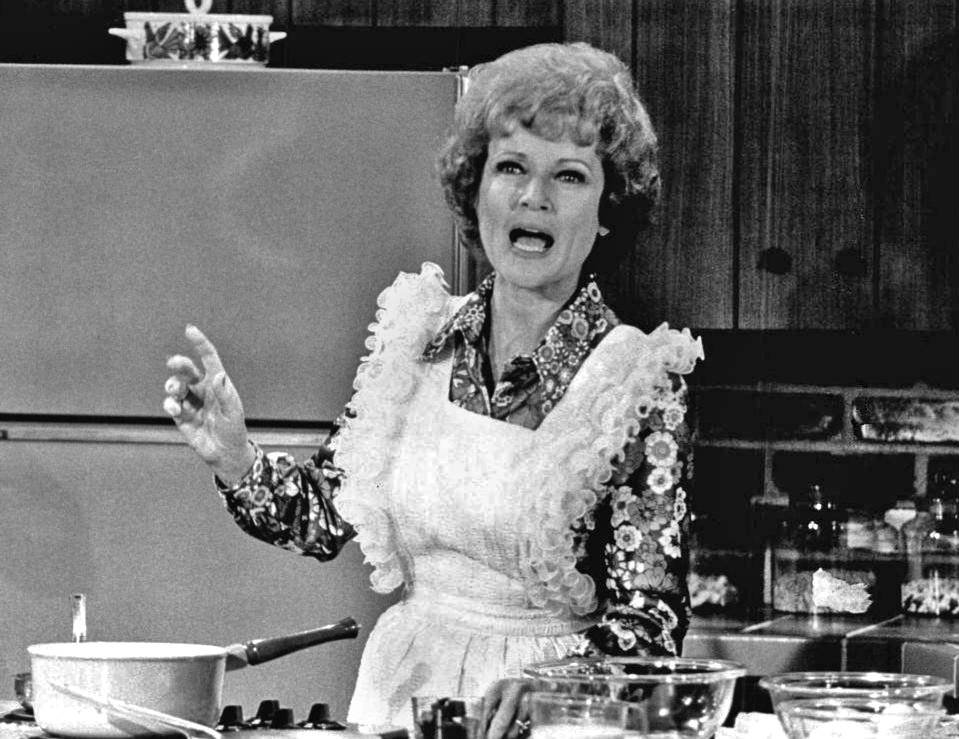


One of the defining aspects of Betty’s career was her ability to move effortlessly between different forms of television. She appeared in sitcoms, hosted talk shows, and became a frequent guest on popular game shows.
Among these shows was Password, hosted by television personality Allen Ludden. Betty frequently appeared as a celebrity contestant, and the playful interactions between the two quickly caught viewers’ attention.
What began as friendly on-screen chemistry soon turned into something deeper.
Betty White and Allen Ludden fell in love and married in 1963. Their relationship became one of Hollywood’s most cherished love stories. Friends and colleagues often described them as deeply devoted to one another, sharing a sense of humor and mutual respect that strengthened their bond.
Betty later described Allen as “the love of my life,” a phrase she would repeat even decades after his passing.
While her personal life flourished, her professional career continued to grow.
In the early 1970s, Betty received a role that would redefine her career. She joined the cast of The Mary Tyler Moore Show, one of the most celebrated sitcoms in television history.
The show starred Mary Tyler Moore and portrayed the life of a young woman working at a television newsroom. Betty joined the cast in 1973 as Sue Ann Nivens, a seemingly sweet cooking show host whose cheerful personality masked a mischievous and sometimes ruthless sense of humor.
Sue Ann Nivens quickly became one of the show’s most memorable characters.
Betty’s performance was brilliant — balancing charm with subtle satire. Audiences loved watching the contrast between Sue Ann’s polite public image and her sly remarks behind the scenes.
Her portrayal earned her two Emmy Awards and widespread critical acclaim.
But perhaps the most iconic chapter of Betty White’s career began in the mid-1980s.
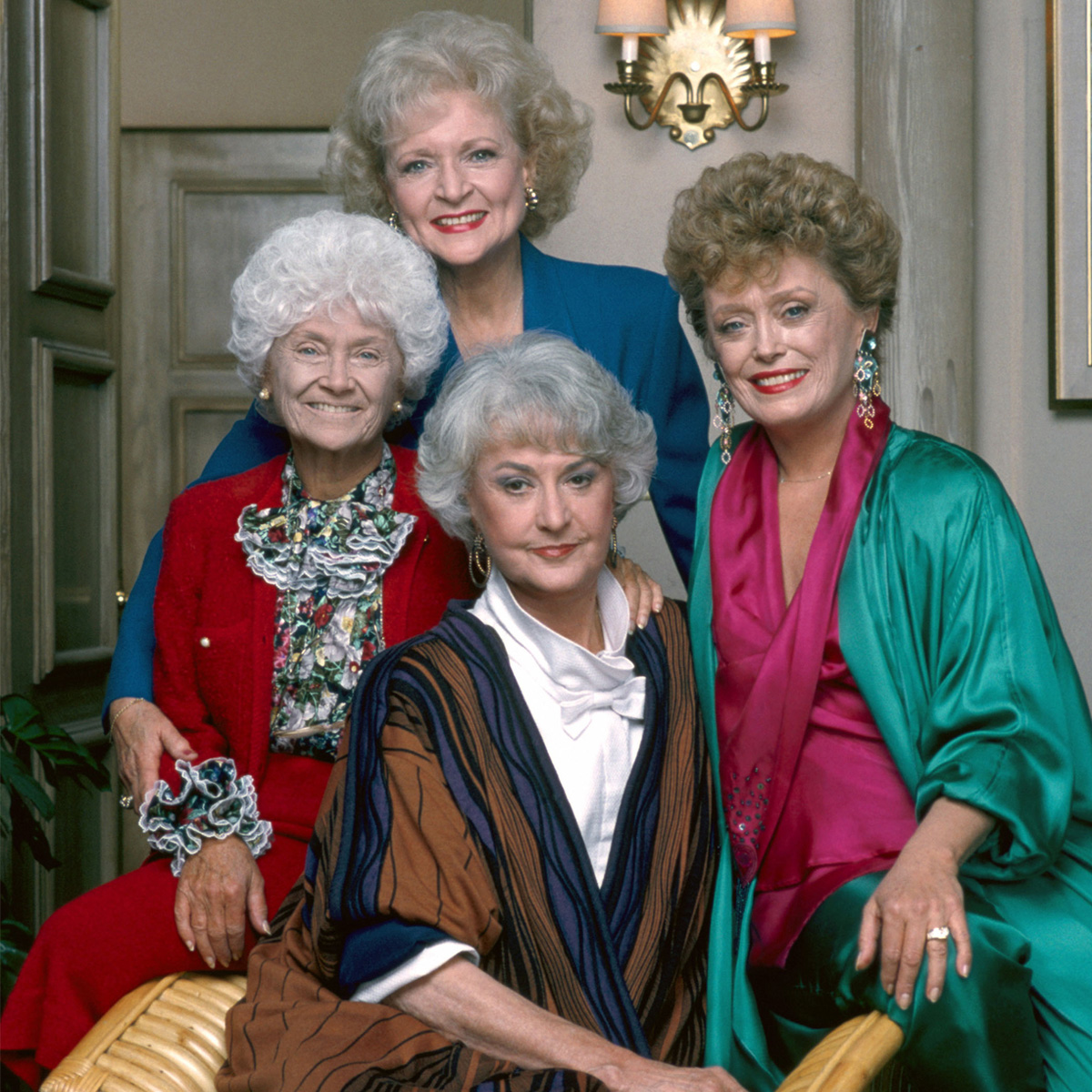
In 1985, she was cast as Rose Nylund in the television sitcom The Golden Girls. The show followed four older women sharing a home in Miami and navigating life, friendship, and aging together.
Betty starred alongside three remarkable actresses: Bea Arthur, Rue McClanahan, and Estelle Getty.
Originally, Betty had been considered for a different role on the show. Producers initially thought she should play Blanche, a witty and flirtatious character. However, Betty surprised them by reading for the role of Rose instead.
Rose Nylund was kind, innocent, and famously naïve. She often told long, absurd stories about her fictional hometown of St. Olaf, Minnesota.
The character became an instant fan favorite.
Betty’s comedic timing and expressive delivery made Rose unforgettable. Her ability to deliver a simple line with perfect sincerity often created some of the show’s funniest moments.
The Golden Girls was groundbreaking in many ways. It tackled topics rarely discussed on television at the time, including aging, loneliness, friendship, and social issues.
Yet it did so with warmth and humor.
The show ran from 1985 to 1992 and became a massive success both in the United States and internationally. It won numerous awards and remains one of the most beloved sitcoms in television history.
For Betty White, the role earned her another Emmy Award and cemented her place as “America’s Golden Girl.”
But her life during this time was not without hardship.
In 1981, Allen Ludden passed away after battling stomach cancer. His death was a devastating loss for Betty. The couple had shared nearly two decades of marriage filled with love and laughter.
Despite her grief, Betty continued working, finding comfort in her career and in the friendships she had built throughout the entertainment industry.
She never remarried.
Instead, she devoted herself to her work, her friends, and another lifelong passion: animals.
Even while filming The Golden Girls, Betty remained actively involved in animal welfare organizations. She often volunteered her time and supported efforts to protect wildlife and domestic animals alike.
Her compassion for animals became as well known as her acting career.
By the end of the 1980s, Betty White had achieved something few performers ever accomplish: she had become beloved by audiences of every age.
Children, adults, and seniors alike admired her warmth, humor, and authenticity.
And although she had already spent decades in the spotlight, the final chapters of her career would bring an entirely new generation of fans.
Late-Career Fame, Advocacy, and a Lasting Legacy (1990–2021)



If anything, her career entered a remarkable new phase.
While she continued making guest appearances on television, Betty also remained active in films, talk shows, and comedy specials. Her quick wit and natural warmth made her a favorite guest on late-night programs and award shows.
Audiences loved her ability to laugh at herself and embrace humor at any age.
One of the most surprising moments in her late career came in 2009 when she appeared in the romantic comedy film The Proposal, starring Sandra Bullock and Ryan Reynolds.
In the film, Betty played a mischievous grandmother who participates in a humorous forest ritual scene that quickly became a viral favorite online.
The role introduced Betty White to a new generation of viewers.
Suddenly, millions of younger fans were discovering her humor for the first time.
The internet embraced her wholeheartedly.
Clips from her television appearances spread rapidly across social media platforms. Fans shared her interviews, comedic sketches, and classic scenes from The Golden Girls.
In 2010, an online campaign began urging the legendary actress to host Saturday Night Live. The campaign gathered hundreds of thousands of supporters, demonstrating how beloved she had become across generations.
The producers listened.
At age 88, Betty White hosted Saturday Night Live for the first time — becoming the oldest host in the show’s history. The episode was a huge success and earned her another Emmy Award.
The moment symbolized something rare in entertainment: a performer whose popularity continued to grow even after seven decades in the industry.
That same year, Betty began starring in a new television sitcom called Hot in Cleveland. The show followed three women who move from Los Angeles to Cleveland and start a new life together.
Betty played the sarcastic caretaker Elka Ostrovsky.
Her character’s dry humor and mischievous personality quickly became one of the show’s highlights. Hot in Cleveland ran from 2010 to 2015 and attracted millions of viewers.
It proved that Betty White was still a comedic powerhouse.
Beyond her acting career, Betty remained deeply committed to animal welfare. She supported organizations such as the Morris Animal Foundation, the ASPCA, and the Los Angeles Zoo.
Animals had been a central part of her life since childhood.
She once explained her philosophy with a simple observation:
“Animals don’t lie. Animals don’t criticize. If animals have moody days, they handle them better than humans do.”
Her compassion for animals inspired fans to support wildlife conservation and pet adoption efforts around the world.
Despite her fame, Betty lived a relatively quiet personal life. She enjoyed spending time with close friends, caring for her pets, and continuing her work with animal organizations.
Even in her late 90s, she remained energetic, cheerful, and intellectually curious.
Then, on December 31, 2021, the world received heartbreaking news.
Betty White passed away peacefully at her home in Los Angeles just weeks before her 100th birthday.
Tributes poured in from across the globe. Actors, comedians, political leaders, and millions of fans shared memories and messages of gratitude.
Her influence had touched nearly every corner of the entertainment industry.
During her lifetime, Betty White received eight Emmy Awards, a Grammy Award, and countless lifetime achievement honors. Yet those awards only told part of the story.
What truly defined Betty White was her kindness.
She treated colleagues with respect, approached life with optimism, and found humor in everyday moments.
Her philosophy about life remained simple but powerful:
“It’s your outlook on life that counts. If you take yourself lightly and don’t take yourself too seriously, pretty soon you can find the humor in our everyday lives.”
Today, Betty White’s legacy continues through her work, her advocacy, and the countless smiles she brought to audiences around the world.
From the earliest days of television to the age of social media, she remained a symbol of joy, compassion, and laughter.
Forever remembered as America’s Golden Girl, her spirit continues to live on — in every laugh she inspired and every act of kindness she encouraged. 🌼
Betty White’s Cultural Impact and Why the World Still Loves Her


The passing of Betty White in December 2021 marked the end of an extraordinary chapter in entertainment history. Yet for millions of people around the world, her story did not feel like it ended. Instead, it felt like the beginning of a new phase in which her influence, humor, and compassion would continue to inspire future generations.
Betty White was more than simply a successful actress. Over the course of her eight-decade career, she became a cultural icon — a symbol of positivity, resilience, and kindness in an industry often defined by competition and change.
One of the most remarkable aspects of Betty White’s legacy is how many generations she connected. Few performers have managed to stay relevant across such a long period of time.
Audiences who watched her in the 1950s on early television programs shared their admiration with their children, who later enjoyed her performances in shows like The Mary Tyler Moore Show and The Golden Girls. Those same viewers eventually introduced her work to grandchildren who discovered her through social media, films, and newer television appearances.
This rare cross-generational appeal made Betty White unique.
Her comedy style was a major reason for this connection. Unlike many comedians who relied heavily on sarcasm or controversy, Betty’s humor often came from warmth, clever timing, and playful innocence. She had the ability to deliver even the simplest line with perfect comedic rhythm.
Her character Rose Nylund from The Golden Girls remains one of television’s most recognizable personalities. Rose’s innocence and quirky stories about her hometown of St. Olaf created moments that audiences still quote decades later.
Yet Betty White’s impact extended far beyond comedy.
She was also an important figure in the evolution of television itself. When she co-created and produced Life with Elizabeth in the early 1950s, women were rarely given creative leadership roles in Hollywood. Her success helped demonstrate that female producers could succeed in a male-dominated industry.
Over time, more women began taking positions as writers, directors, and producers in television and film. Betty White’s early achievements helped open those doors.
Her influence could also be seen in the way television portrayed older women.
Before The Golden Girls, older female characters were often written as background figures or stereotypes. The series changed that narrative by portraying four older women as complex, funny, intelligent individuals with active lives and deep friendships.
The show addressed real-life issues such as aging, loneliness, healthcare, and relationships — topics rarely discussed openly on television at the time.
Through humor and compassion, Betty White and her co-stars helped normalize conversations about aging and friendship.
In addition to her work on screen, Betty’s dedication to animal welfare made a lasting impact.
Throughout her life, she supported organizations such as the Morris Animal Foundation, the ASPCA, and the Los Angeles Zoo.
She believed strongly that humans had a responsibility to care for animals and protect wildlife habitats. Her advocacy raised awareness and funding for animal research, conservation efforts, and adoption programs.
Even fans who first discovered her through comedy often became inspired by her compassion for animals.
After her passing, millions of people honored her memory by donating to animal shelters and wildlife charities in what became known as the “Betty White Challenge.” The campaign encouraged people to donate small amounts to local animal organizations on what would have been her 100th birthday.
The response was overwhelming.
Animal shelters across the United States and around the world reported receiving thousands of donations in her name. It was a powerful demonstration of how deeply Betty White had touched people’s lives.
Her impact on the entertainment industry was equally profound.
She received numerous awards throughout her lifetime, including eight Emmy Awards and a Grammy Award. In 2018 she was recognized by the Guinness World Records for having the longest television career of any female entertainer.
But Betty herself rarely focused on awards.
Instead, she often spoke about gratitude — gratitude for the opportunity to work, for the friendships she built, and for the audiences who supported her career.
In interviews, she frequently encouraged people to stay curious and optimistic regardless of age.
Her perspective on aging was refreshingly positive. Rather than seeing growing older as something to fear, she treated it as an opportunity to continue learning, laughing, and contributing to the world.
Even in her late 90s, she remained energetic and engaged with life.
Today, years after her passing, Betty White continues to appear in reruns, classic television marathons, and streaming platforms. Younger viewers still discover The Golden Girls, laugh at her scenes in The Proposal, and share clips of her interviews online.
Her humor remains timeless.
But perhaps the most important part of her legacy is the spirit she embodied: kindness, humility, curiosity, and joy.
In a fast-changing world, those qualities never go out of style.
Betty White spent nearly a century making people laugh, supporting causes she believed in, and proving that positivity can leave a lasting mark on the world.
For many fans, she will always represent the best of what television — and humanity — can be.
And in that sense, the laughter she gave the world will never truly fade. 🌼