The late afternoon heat sat heavily over the neighborhood, the kind of heat that made the pavement shimmer and the inside of parked cars feel unbearable within minutes. Neighbors later said temperatures had climbed far higher than expected that day, and even walking outside for a few moments felt exhausting. That was why the sound of frantic barking earlier in the afternoon caught the attention of several people nearby. At first, nobody knew where the barking was coming from. Some thought a dog had simply been left in a backyard while its owners ran errands. But as time passed, the barking became weaker, slower, and eventually stopped completely.
Hours later, a concerned passerby noticed a dog lying motionless inside a parked vehicle near the home. The windows were mostly rolled up, and condensation could be seen along parts of the glass. According to witnesses, the dog appeared completely unresponsive. The person immediately knocked on nearby doors before calling emergency services. Within minutes, animal control officers and police arrived at the scene.
When responders approached the vehicle, they quickly realized the dog was in critical condition or possibly already dead. Officers worked rapidly to open the vehicle, but by the time they reached the animal, it was too late. Witnesses nearby described the atmosphere changing instantly from concern to heartbreak. One neighbor reportedly began crying after seeing responders pull the dog from the car.
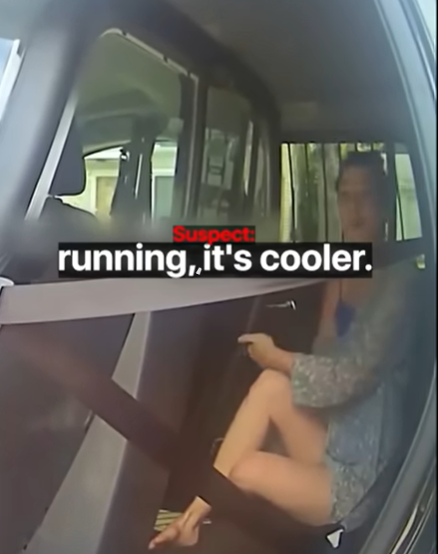
Animal control officers immediately started trying to determine what had happened. The woman who owned the dog appeared visibly shocked and emotional when confronted. According to reports, she repeatedly insisted she never intended to harm the animal and claimed she thought the dog would actually be cooler inside the car than inside the house.
Investigators later learned that the woman had reportedly been in the middle of moving items between locations earlier that day. She explained that the home felt extremely hot due to poor airflow and rising indoor temperatures. According to her account, she placed the dog inside the vehicle temporarily because she believed the air conditioning would help keep him comfortable while she continued moving belongings.
But something went terribly wrong.
The vehicle had apparently turned off after the battery drained, leaving the dog trapped inside without airflow or cooling. Authorities later explained that once the air conditioning stopped, temperatures inside the car likely climbed rapidly to deadly levels. In hot weather conditions, the inside of a vehicle can become dangerously hotter than the outside temperature within minutes, especially with limited ventilation.
The woman repeatedly told officers she “didn’t realize” the car had shut off completely. She claimed she thought the dog was resting safely in cooler air while she continued working nearby. But investigators estimated the dog had been trapped inside the hot vehicle for approximately two and a half hours before being discovered.
Animal control officers at the scene reportedly became visibly angry during the investigation. One officer, according to witnesses, struggled to hide frustration while questioning the woman. The officer reportedly explained multiple times how dangerous hot vehicles are for animals, even for short periods of time. Witnesses described the officer’s tone as emotional and upset, especially after confirming the dog had died.
The woman sat in the back of a patrol vehicle while officers continued their investigation outside. Body camera footage later showed her speaking quietly, appearing confused and overwhelmed as she tried explaining her reasoning. At one point she reportedly said she thought “it was hotter inside the house,” insisting she believed the car with air conditioning running would be safer for the dog temporarily.
But investigators pointed out that leaving an animal unattended in a vehicle carries enormous risks, especially during extreme heat. Once the battery failed and the engine stopped, the dog had no way to escape the rapidly rising temperatures inside the sealed vehicle.
Neighbors watching the scene described feeling both heartbroken and frustrated. Some expressed sympathy for the woman, believing the situation may have been a terrible mistake rather than intentional cruelty. Others were far less forgiving, arguing that every pet owner should understand how dangerous hot cars can become.
One witness later said the most disturbing part was hearing the woman insist she had been trying to help the dog, not hurt him. According to the witness, the realization that her attempt to protect the animal may have accidentally caused its death made the scene even more tragic.
Animal experts later explained how quickly heat affects dogs trapped in vehicles. Unlike humans, dogs cannot cool themselves efficiently through sweating. Instead, they rely heavily on panting to regulate body temperature. Inside a hot car with no ventilation, that process quickly becomes ineffective. As temperatures rise, dogs can suffer heatstroke, organ failure, brain damage, and death within a relatively short amount of time.
Investigators at the scene reportedly documented the vehicle carefully, including battery conditions, window positions, and temperature readings. Authorities wanted to determine exactly how long the cooling system had been inactive before the dog died. Early findings suggested the air conditioning may have stopped far earlier than the woman realized.
During questioning, the woman reportedly became emotional several times. Witnesses said she appeared genuinely distraught after learning the dog had died. At one point she allegedly asked repeatedly whether there had been “anything they could’ve done” to save him. But animal control officers explained the dog had likely suffered severe heatstroke long before responders arrived.
The emotional tension between the woman and animal control officers became one of the most discussed parts of the incident afterward. Officers who work animal cruelty and neglect cases often witness traumatic situations involving pets, and several people at the scene described the responding officer as deeply affected by what had happened. According to witnesses, the officer’s anger appeared fueled by frustration over how common these preventable heat-related animal deaths have become every summer.
Videos and photos from the scene later spread online, sparking intense reactions. Many viewers focused on the heartbreaking circumstances surrounding the dog’s death. Some commenters argued the woman should face criminal charges regardless of intent because the outcome resulted from negligence. Others believed the situation was a devastating accident caused by poor judgment rather than cruelty.
Animal welfare organizations quickly used the incident as another warning about leaving pets in vehicles under any circumstances. Several groups posted reminders online explaining that even vehicles with air conditioning running can become dangerous if mechanical issues occur unexpectedly. They urged pet owners never to leave animals unattended in cars during hot weather, even briefly.
Experts also noted that battery failure and automatic engine shutoffs create additional risks in modern vehicles. Some newer cars may turn off automatically after periods of inactivity, especially if battery levels become low. If owners assume the air conditioning will continue running indefinitely, animals left inside can quickly become trapped in deadly heat conditions without warning.
Neighbors later shared stories about seeing the woman regularly walking and caring for the dog before the incident. Some described her as someone who appeared to genuinely love the animal, making the situation even harder for people nearby to process. One neighbor reportedly said, “You could tell she cared about him. That’s why this whole thing feels so tragic.”
Still, animal control officials emphasized that good intentions do not eliminate responsibility. Officers explained that heat-related vehicle deaths remain one of the most preventable causes of animal fatalities. Even experienced pet owners sometimes underestimate how quickly conditions become deadly inside parked vehicles.
As investigators continued reviewing the case, discussions online became increasingly emotional. Many people shared personal stories about rescuing pets from hot cars or losing animals unexpectedly during extreme weather. Veterinarians also joined conversations online, warning about the irreversible damage high temperatures can cause to animals in very short periods of time.
The woman reportedly remained visibly shaken throughout the investigation. Body camera footage described by local media showed her sitting silently for long periods before suddenly crying or attempting to explain herself again. She repeatedly insisted she believed the dog would be safer in the vehicle because of the heat inside the home.
Authorities later explained that while indoor heat can absolutely become dangerous, enclosed vehicles create a far more extreme environment once airflow stops. Temperatures inside parked cars can climb dozens of degrees higher than outside temperatures rapidly, creating deadly conditions much faster than many people realize.
One animal control officer reportedly told the woman directly that the dog likely spent his final moments in extreme distress trying to escape the heat. Witnesses said hearing that statement caused the woman to break down emotionally inside the patrol vehicle.
The incident left a strong emotional impact on many first responders as well. Animal-related cases often affect responders differently because animals cannot verbally communicate distress or escape dangerous situations themselves. Several people at the scene later described the atmosphere after the dog’s death was confirmed as unusually heavy and emotional.
By the following day, the story had spread widely across social media and local news outlets. Public reaction remained divided between anger and sympathy. Some people viewed the case as unforgivable negligence. Others believed the woman had made a terrible mistake she would likely carry emotionally for the rest of her life.
Animal safety advocates hoped the tragedy would at least serve as a warning to others. They reminded the public that even short periods inside vehicles can become deadly for pets during warm weather. Many stressed that if an animal cannot safely accompany someone into a location, it is usually far safer to leave the pet at home in a properly ventilated environment instead of inside a car.
As the investigation concluded, the image of the dog trapped inside the overheated vehicle remained difficult for many people to forget. What began as an attempt — however misguided — to keep the animal cool ended in a heartbreaking and preventable death. The emotional arguments afterward, the visible frustration from animal control officers, and the woman’s devastated reaction all reflected the same painful reality: a single bad decision during extreme heat had irreversible consequences.
Long after officers cleared the scene and the vehicle was towed away, neighbors continued discussing the tragedy quietly among themselves. Some spoke about the dangers of heat. Others talked about responsibility and awareness. But nearly everyone agreed on one thing — no matter the intention, the outcome was deeply heartbreaking, and a life was lost in a situation that should never have happened.
In the days following the incident, investigators continued piecing together the timeline to understand exactly how long the dog had been trapped inside the overheated vehicle. Surveillance footage from nearby homes reportedly showed the woman moving boxes and personal belongings throughout the afternoon while the vehicle remained parked outside. According to investigators, there were periods where she walked near the car several times but apparently never realized the engine had shut off completely.
That detail became one of the most heavily debated parts of the case. Some people online argued that anyone passing near the vehicle should have immediately noticed the air conditioning was no longer running. Others pointed out that during stressful situations, especially while moving, people can become distracted and fail to notice critical changes around them. Still, animal experts emphasized that regardless of stress or distraction, pets should never be left unattended in vehicles during extreme weather.
One veterinarian interviewed after the incident explained that heatstroke in dogs can develop terrifyingly fast. As the inside temperature rises, a dog’s body begins struggling to regulate itself. Heavy panting leads to dehydration, heart strain, and eventually organ failure. In severe cases, panic and confusion set in as the animal desperately searches for relief. The veterinarian said smaller enclosed spaces with limited airflow can become fatal far quicker than many pet owners realize.
The responding animal control officer reportedly remained deeply emotional even after leaving the scene. According to colleagues, the officer had handled numerous neglect and cruelty cases over the years, but situations involving heat-related deaths were especially difficult because they are often preventable. One source close to the investigation said the officer was frustrated not only by the tragedy itself but also by how often similar warnings are ignored every summer.
As media coverage expanded, local animal shelters and rescue organizations began sharing educational posts online using the case as an example. Graphics showing interior car temperatures during hot weather circulated widely. Some demonstrated that even when outside temperatures feel “manageable,” the inside of a vehicle can climb to deadly conditions within minutes. Several organizations stressed that cracking windows slightly does little to reduce the danger.
Meanwhile, neighbors near the woman’s home described the emotional aftermath unfolding quietly over the next several days. Some said she barely left the house after the incident. Others claimed they saw family members visiting frequently to support her. One neighbor reportedly said the woman looked completely devastated, describing her as someone who appeared “broken” by what happened.
But not everyone nearby reacted sympathetically. Another resident said hearing the dog barking earlier that afternoon still haunted them. According to the neighbor, the barking gradually became weaker before stopping altogether, something they later realized may have marked the moment the dog collapsed from heatstroke. That realization left several people in the area deeply disturbed.
Animal control investigators also reportedly reviewed the dog’s veterinary history and overall condition before the incident. Early findings suggested the dog had generally been healthy and cared for prior to the tragedy. That detail complicated public reaction even further because it suggested the death may not have resulted from ongoing neglect, but rather one catastrophic lapse in judgment.
Online debates quickly became intense. Some commenters demanded harsh punishment, arguing that ignorance about hot cars is no excuse in modern times given the amount of public awareness campaigns surrounding pet safety. Others pushed back, arguing that while the woman absolutely made a dangerous mistake, there was no evidence she intentionally wanted the animal harmed.
Legal experts commenting on the case explained that intent is not always necessary for criminal charges involving animals. In many jurisdictions, negligence resulting in unnecessary suffering or death can still qualify as animal cruelty under the law. Investigators reportedly examined whether charges related to negligence, animal endangerment, or cruelty would apply.
The body camera footage released afterward added another emotional layer to the story. In portions of the footage described publicly, the woman repeatedly tried explaining that the inside of the house had become extremely hot because electricity and airflow problems were happening during the move. She allegedly believed the car’s cooling system would provide temporary relief for the dog while she worked nearby.
At one point, according to reports, she quietly asked officers, “Was he scared?” That question reportedly left several responders visibly emotional. One animal control officer paused before responding, seemingly struggling with the weight of the situation.
Experts later explained that dogs trapped in overheating vehicles often become distressed long before collapse occurs. Panic behaviors such as scratching windows, barking continuously, drooling heavily, and pacing are common signs. As body temperatures continue rising, many animals eventually become weak, disoriented, and unresponsive.
The emotional impact of imagining those final moments deeply affected many viewers following the story. Social media filled with people sharing photos of their own pets alongside reminders never to leave animals inside vehicles unattended. Some people described changing their daily habits entirely after hearing about the incident, saying they no longer even felt comfortable leaving pets inside running cars briefly.
Animal welfare advocates stressed that mechanical failures are far more common than many realize. Batteries die unexpectedly. Engines overheat. Automatic shutoff systems engage. Air conditioning systems malfunction. Relying on a running vehicle to keep an animal safe can quickly become deadly if even one component fails.
The woman reportedly told investigators she had checked on the vehicle earlier and believed the cooling system was still functioning. But investigators estimated the car may have been off for far longer than she realized. Heat trapped inside the sealed vehicle likely intensified rapidly throughout the afternoon sun.
One particularly painful detail emerged later during the investigation: responders reportedly found signs that the dog had attempted to climb toward one side of the vehicle seeking cooler air before collapsing. That detail circulated widely online and intensified emotional reactions to the case.
Veterinarians explained that during heat emergencies, dogs instinctively search desperately for relief. Some attempt to press against cooler surfaces, move toward cracks of airflow, or dig at doors and windows trying to escape. Unfortunately, inside sealed vehicles, those attempts rarely help once temperatures become extreme.
As pressure mounted online, local officials urged the public not to turn the tragedy into harassment or threats toward the woman. Authorities reminded people that the investigation would determine legal responsibility appropriately. Still, the emotional nature of the story made reactions difficult to control. Some comments online became extremely hostile, while others urged compassion for someone who may already be experiencing overwhelming guilt.
Friends and relatives reportedly told investigators the woman had loved the dog deeply and treated him like family. According to one acquaintance, the dog accompanied her almost everywhere, making the outcome even harder for those close to her to understand. Several people described the death as a horrifying accident caused by panic, exhaustion, distraction, and terrible judgment all colliding at once.
Mental health professionals commenting publicly later explained that traumatic mistakes involving pets can create severe psychological consequences for owners, especially when the loss results from their own actions. Feelings of guilt, shame, denial, and emotional shock often become overwhelming. Some experts suggested the woman’s repeated explanations during the investigation may have reflected her mind struggling desperately to process what had happened.
Still, animal safety advocates emphasized that emotional devastation after the fact cannot undo preventable harm. Many argued that stories like this need to remain public specifically because they remind others how quickly tragedy can happen.
One former animal control officer interviewed by local media described hot-car deaths as some of the hardest cases responders encounter. The officer explained that unlike many emergencies, these incidents are often entirely avoidable with small changes in decision-making. That reality makes the emotional aftermath even more difficult for everyone involved.
The neighborhood where the incident occurred remained unusually quiet in the days afterward. Several residents said the entire event left a heavy feeling hanging over the community. Some admitted they kept replaying the scene in their minds — the patrol vehicles, the animal control officers, the woman crying in the back seat, and responders carrying the dog away.
The story also reignited broader conversations about public awareness regarding heat and pets. Local organizations began scheduling educational events about animal safety during extreme temperatures. Veterinarians offered reminders about hydration, shade, ventilation, and the dangers of enclosed spaces.
Many people admitted they previously believed leaving a pet in a running car with air conditioning was relatively safe for short periods. After hearing about the battery failure in this case, some reconsidered entirely. Experts repeatedly stressed that if a pet cannot accompany someone safely indoors, alternative arrangements should always be made rather than depending on a vehicle cooling system.
Investigators eventually confirmed that no signs suggested intentional torture or deliberate abuse. However, they maintained that the dog’s death resulted from dangerously poor decisions during extreme weather conditions. Officials stated that the case would likely remain under legal review while prosecutors determined whether criminal negligence charges were appropriate.
Throughout all the public discussion, one thing remained painfully clear: the dog trusted the person who left him there. That realization hit many viewers especially hard. Pets rely entirely on owners for protection, safety, and judgment. When those decisions fail, animals often have no ability to protect themselves.
Animal rescue groups later shared stories from similar cases where bystanders managed to save pets moments before tragedy occurred. Those examples only intensified heartbreak surrounding this incident because responders arrived too late to help.
Weeks later, people in the community still referenced the case whenever temperatures climbed again. Some neighbors reportedly began double-checking parked vehicles automatically whenever they passed parking lots. Others said the story permanently changed how they think about heat and pets.
For first responders involved, the memory also lingered. According to sources close to the case, several responders remained emotionally affected long afterward. Situations involving children or animals often stay with emergency workers differently because of their vulnerability and inability to control their circumstances.
The woman herself reportedly remained mostly out of public view after the incident. Friends allegedly described her as devastated, withdrawn, and struggling emotionally under the weight of public criticism and personal grief. Some people sympathetic to her situation believed she would likely punish herself mentally far more than any court ever could.
But regardless of where public opinion landed — whether anger, sympathy, or somewhere in between — the final outcome remained the same. A dog lost its life in terrifying conditions because of one terrible decision during extreme heat.